

Polish Posters Are Better
We may surprise you, but we are concentrating on Polish Film Posters today.

At the end of the 19th century, what is now Kraków was inhabited by artists, writers, and poets who travelled throughout Europe and encountered the modernist cultural trends of the time. Following the invention of colour lithography in France, artists (the leading figure among them being Henri de Toulouse-Lautrec) discovered a new form of expression in posters.
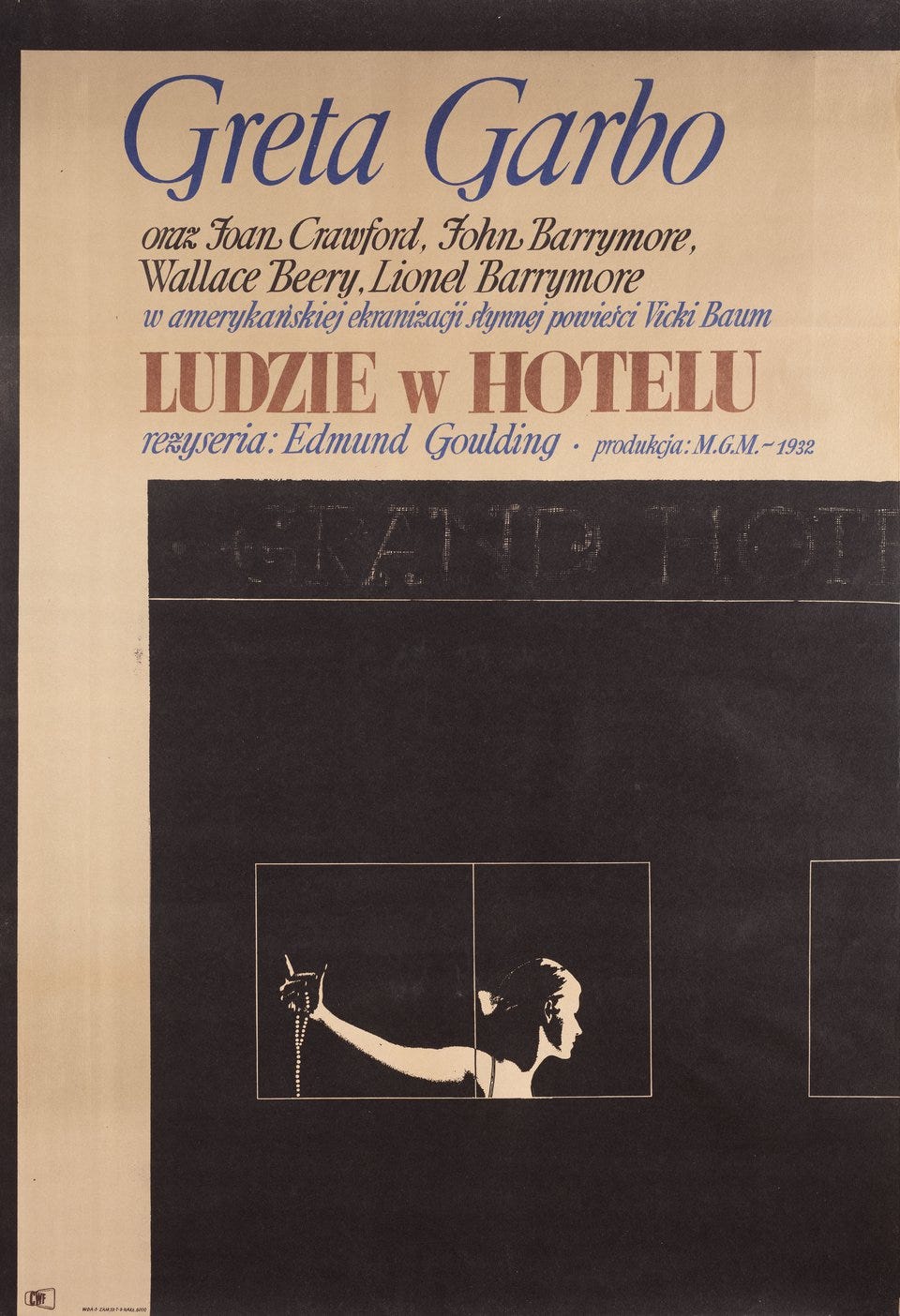
Polish artists, influenced by the French, soon began expressing themselves through the same medium.
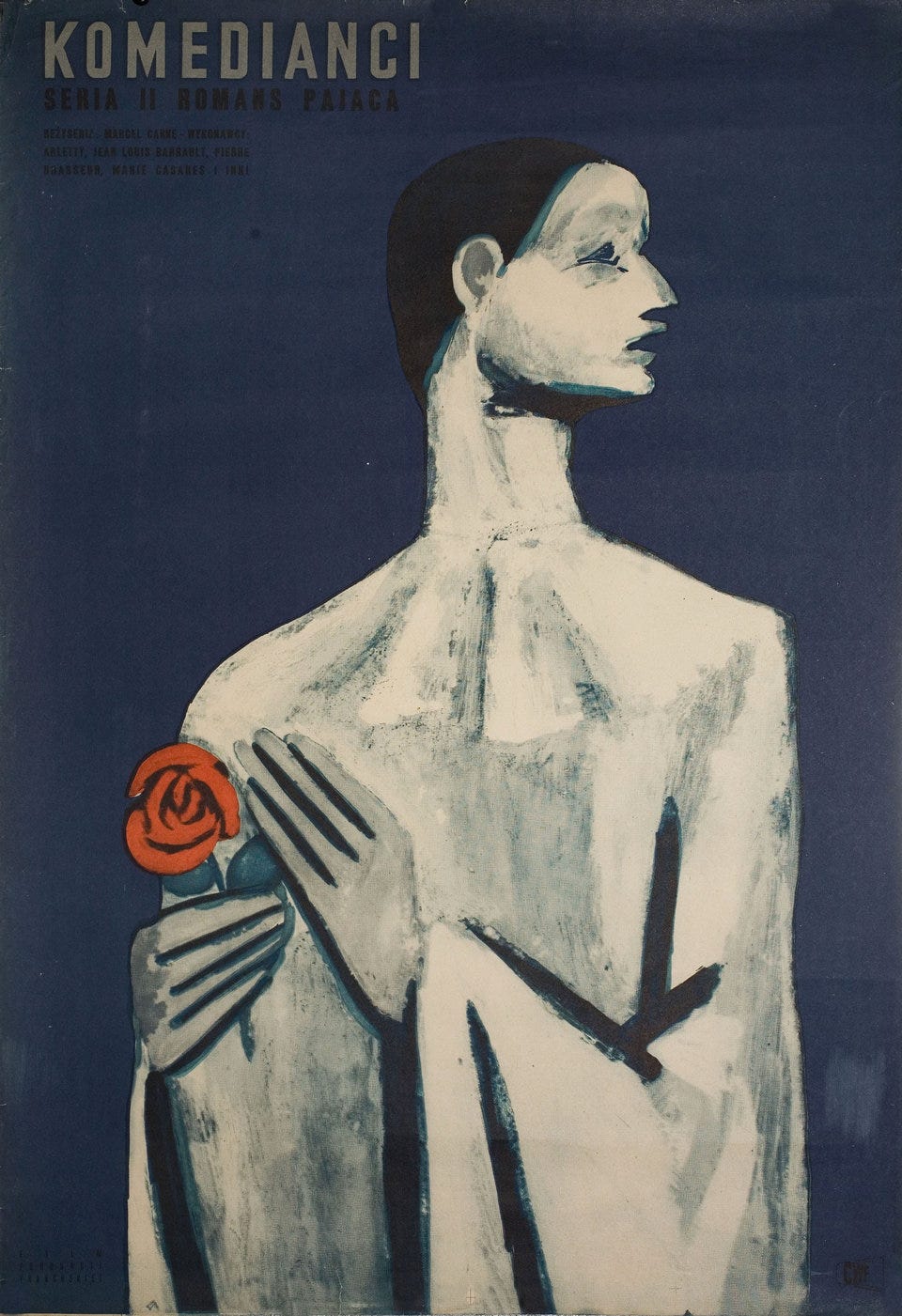
The first Polish posters appeared in the 1890’s, created by magnificent painters such as Józef Mehoffer, Stanisław Wyspiański, Karol Frycz, Kazimierz Sichulski, and Wojciech Weiss.
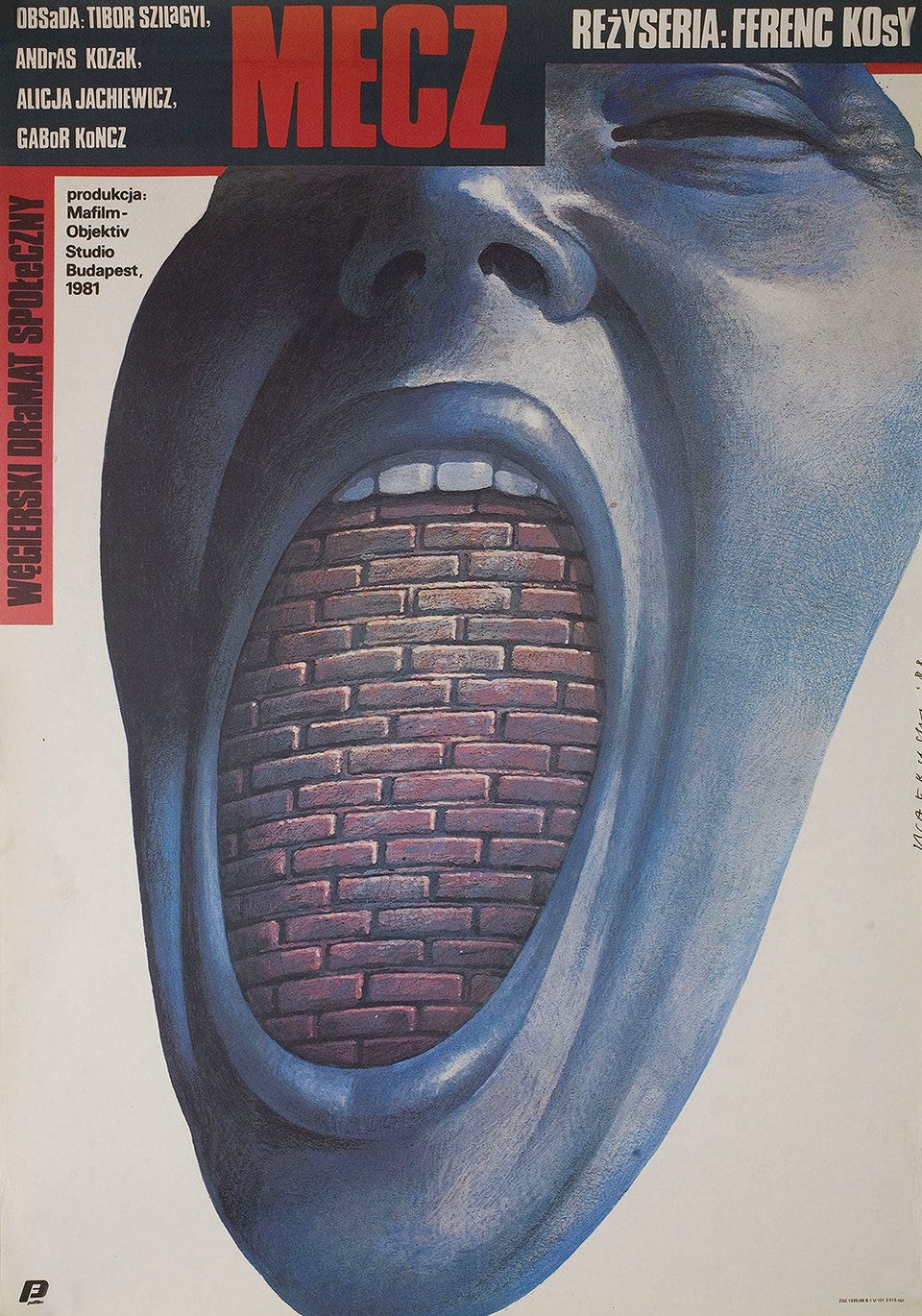
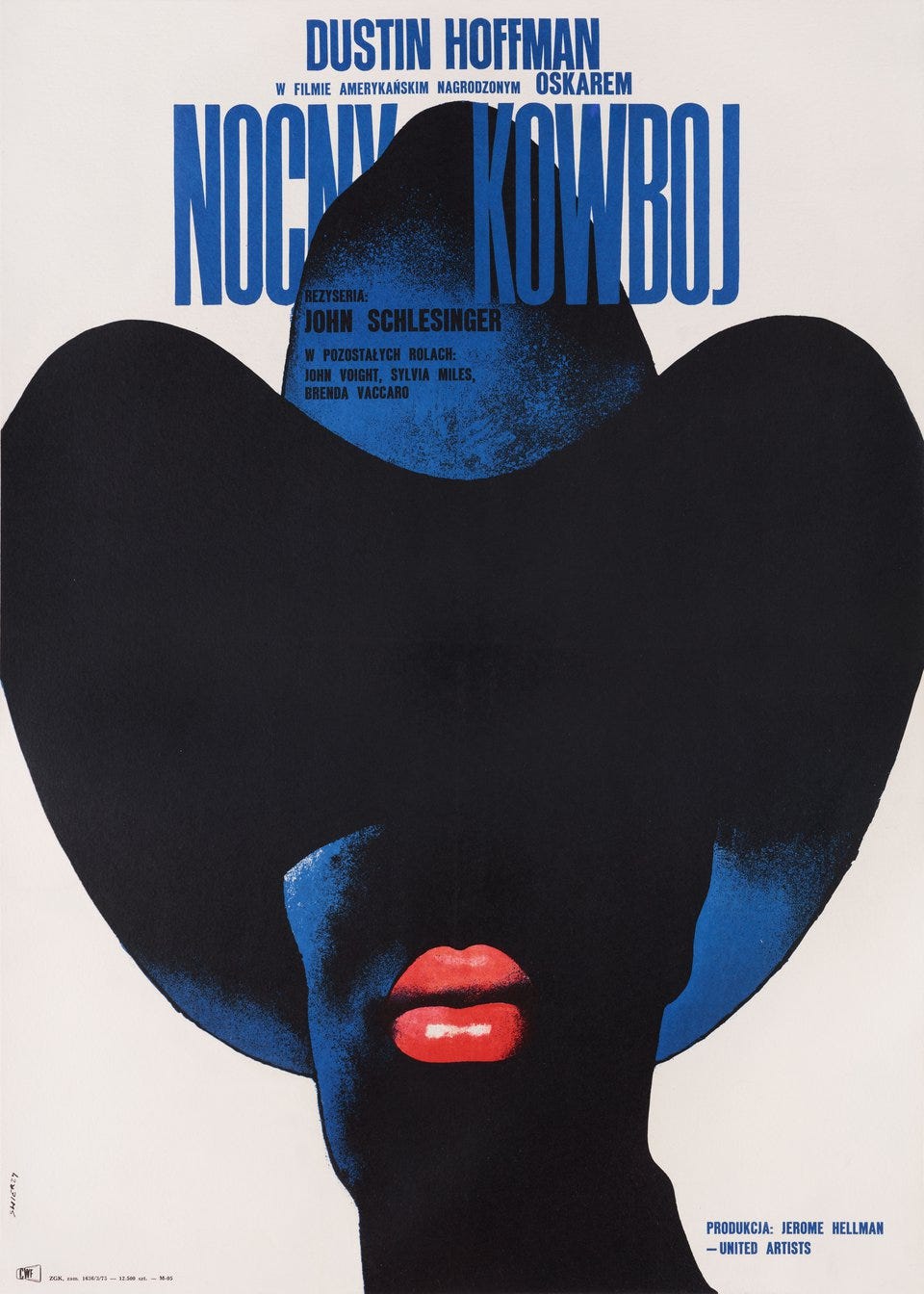
They mostly designed posters related to the arts, announcing exhibitions, theatre, and ballet performances.
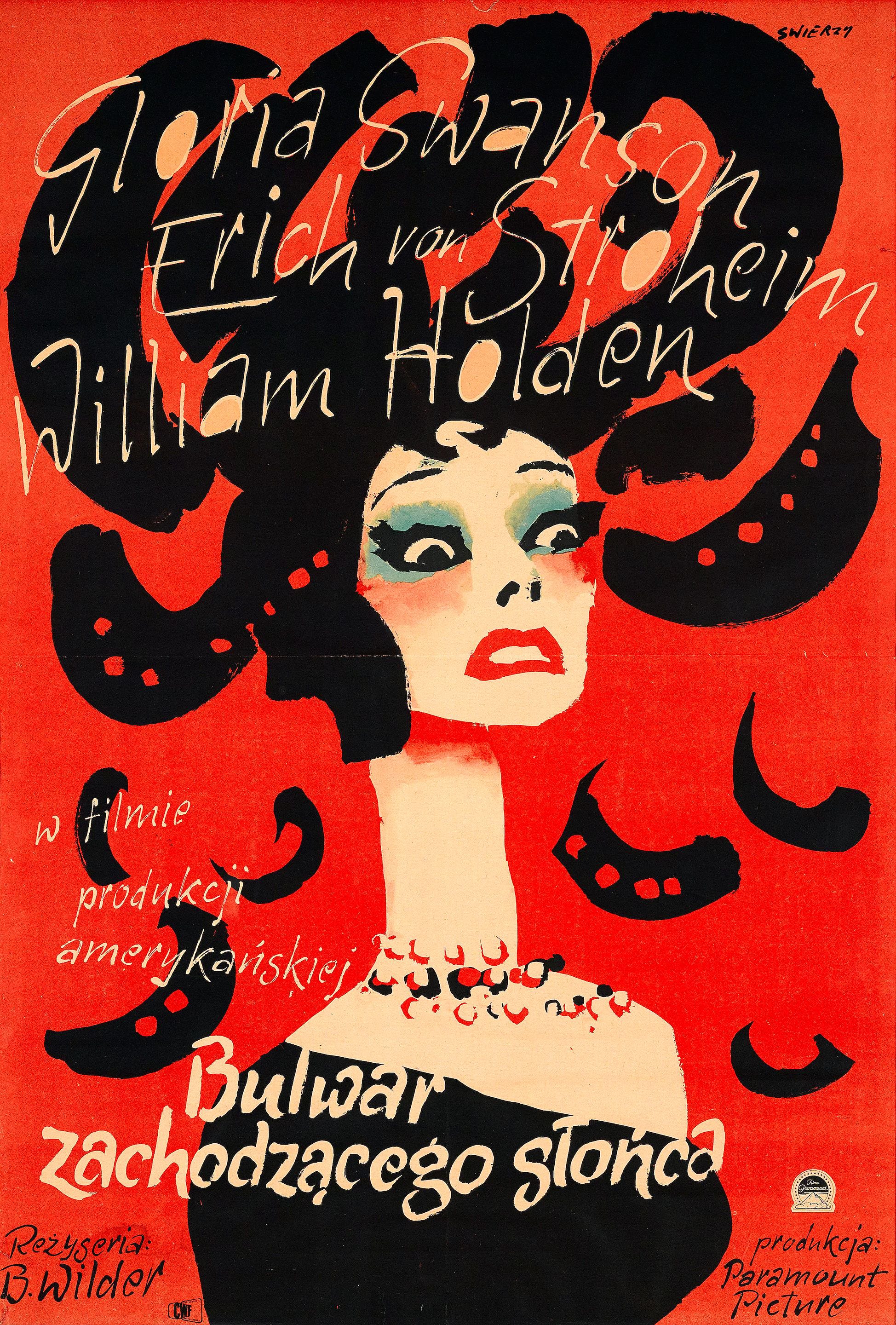
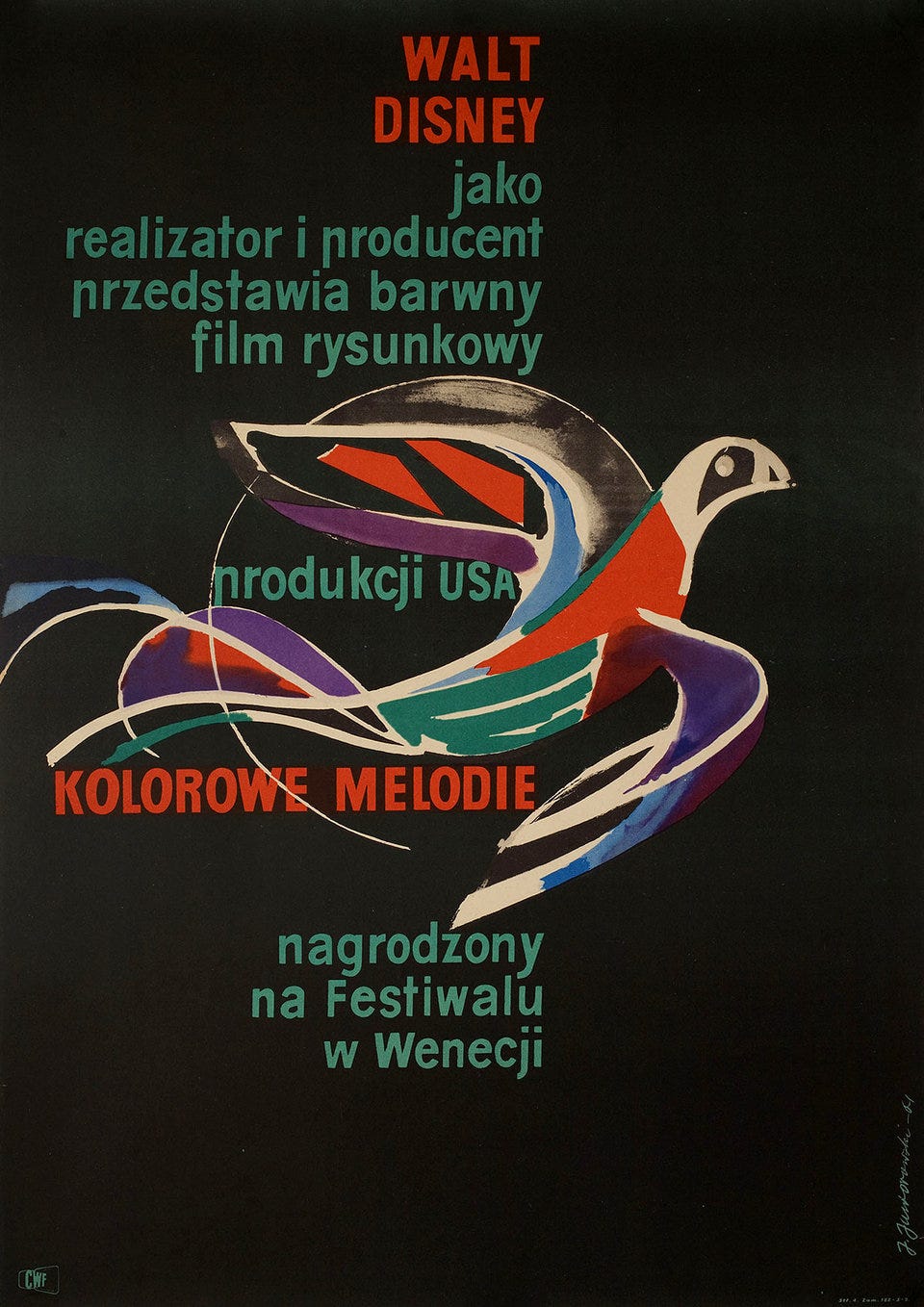
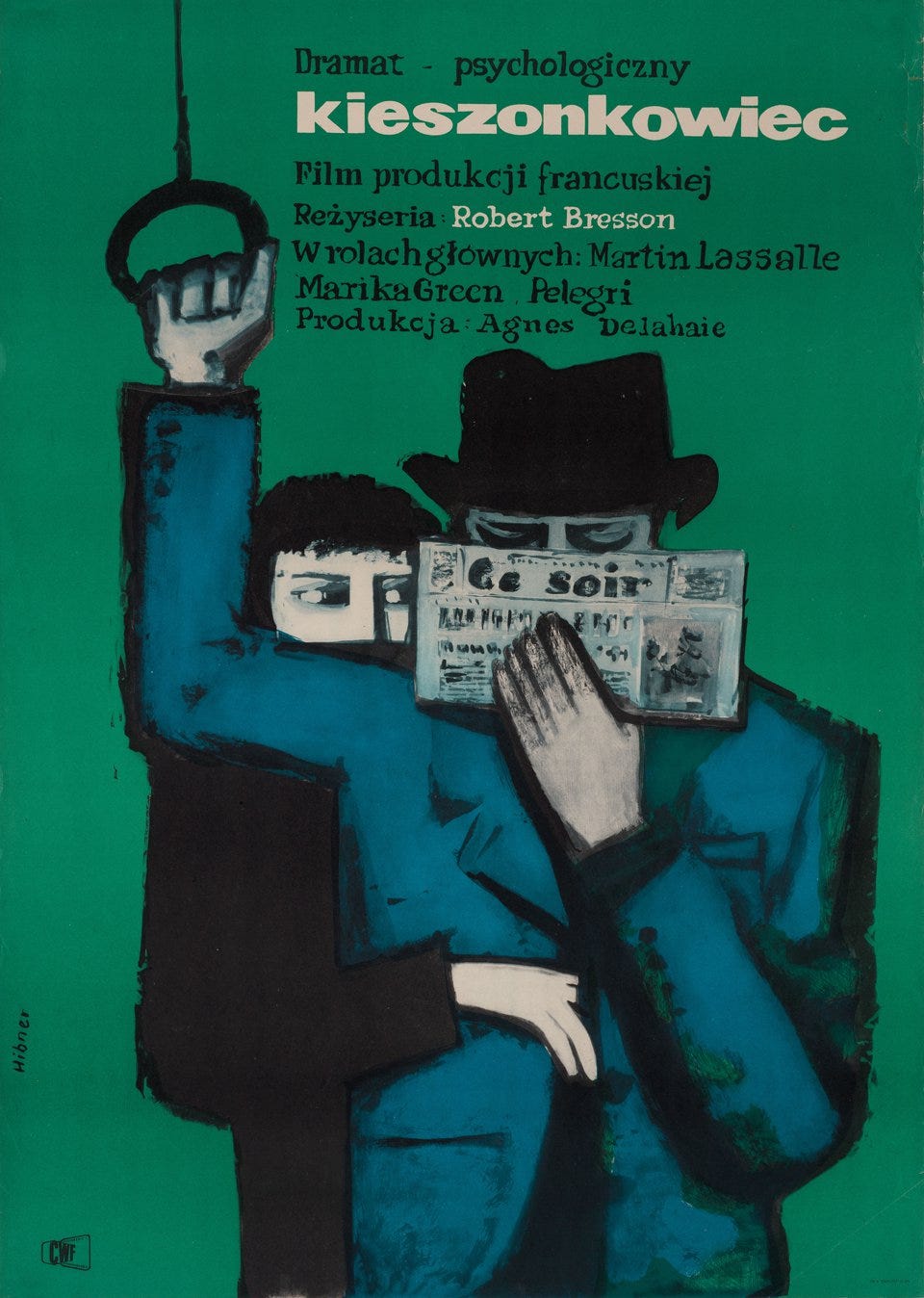
Jugendstil, Secession, Japonism, and Cubism were combined with traditional elements of symbolism and national folklore.
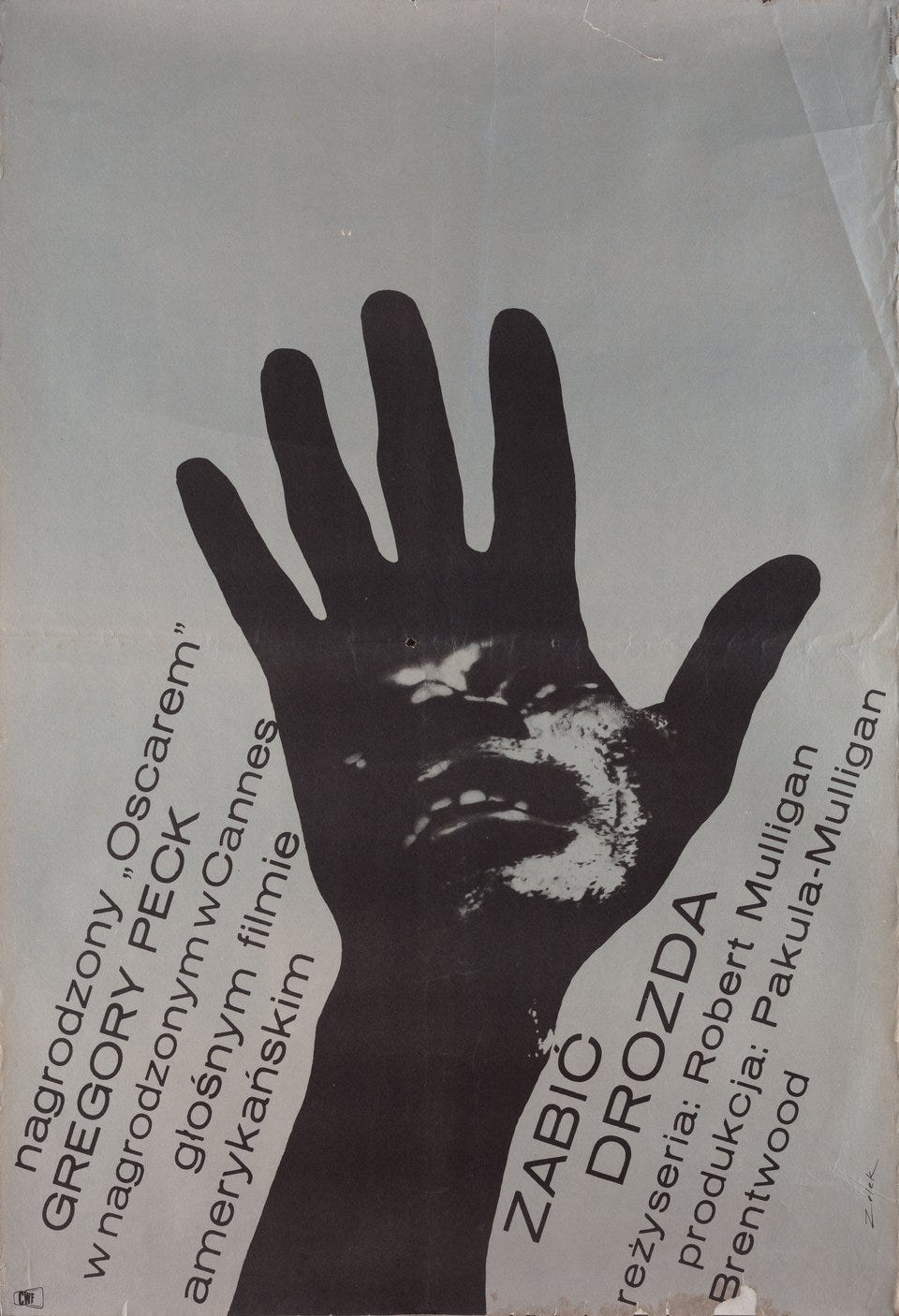
After the end of World War I and Poland’s regained independence in 1918, a rapid process of industrialization began, bringing with it the growing need for advertising—and for producing posters more quickly.
From the intricate posters of the previous century, we now move into a new era. Cubism — a style that freed art from conventional ideas of beauty and ugliness and from the need to imitate nature — became a major influence during this period.
Architects, especially students from the Warsaw University of Technology, were among the most receptive creators of posters at the time. Unlike the painters of the previous generation, they were not burdened by academic conventions and were naturally inclined to apply the rules of geometry to commercial design.
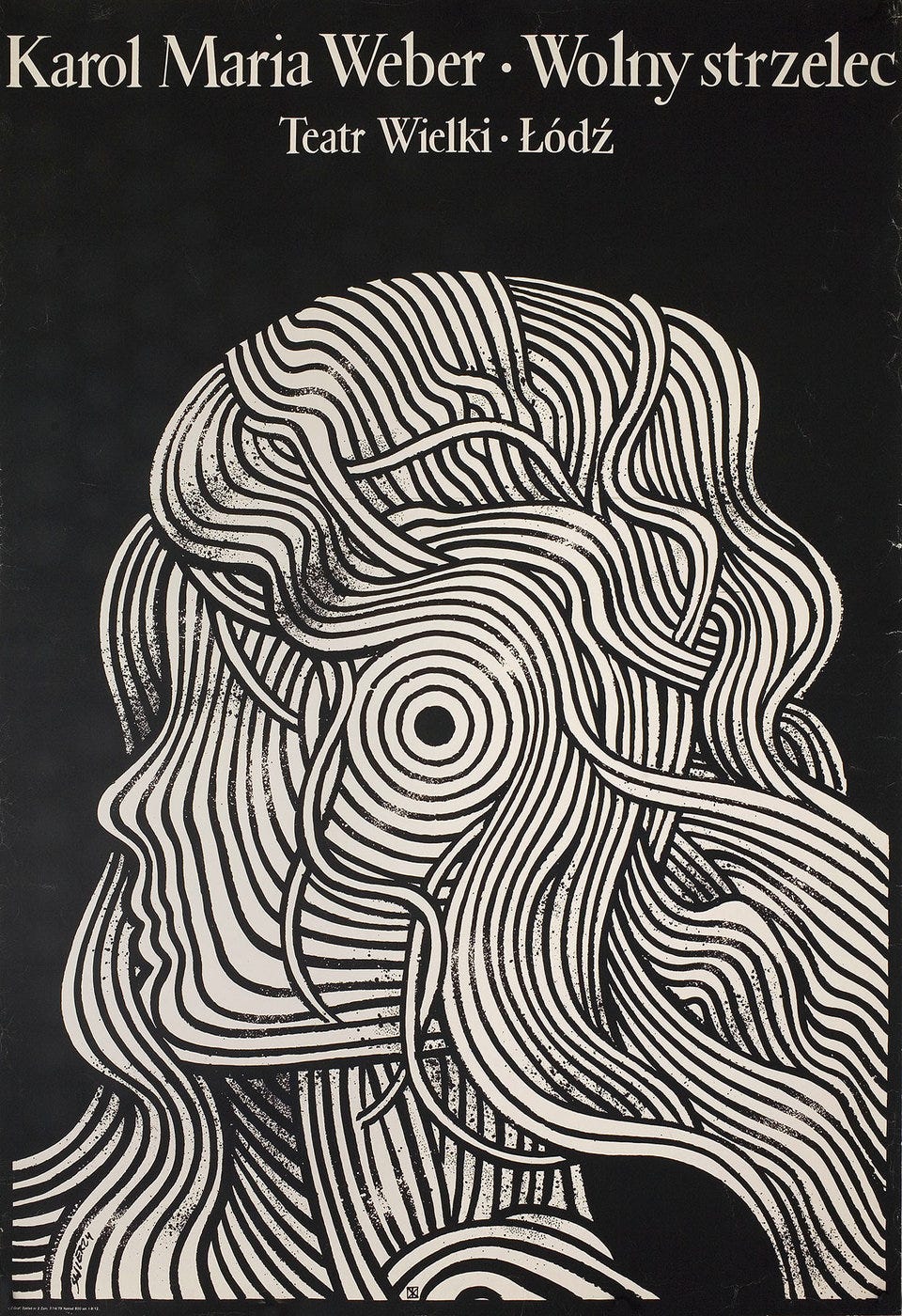
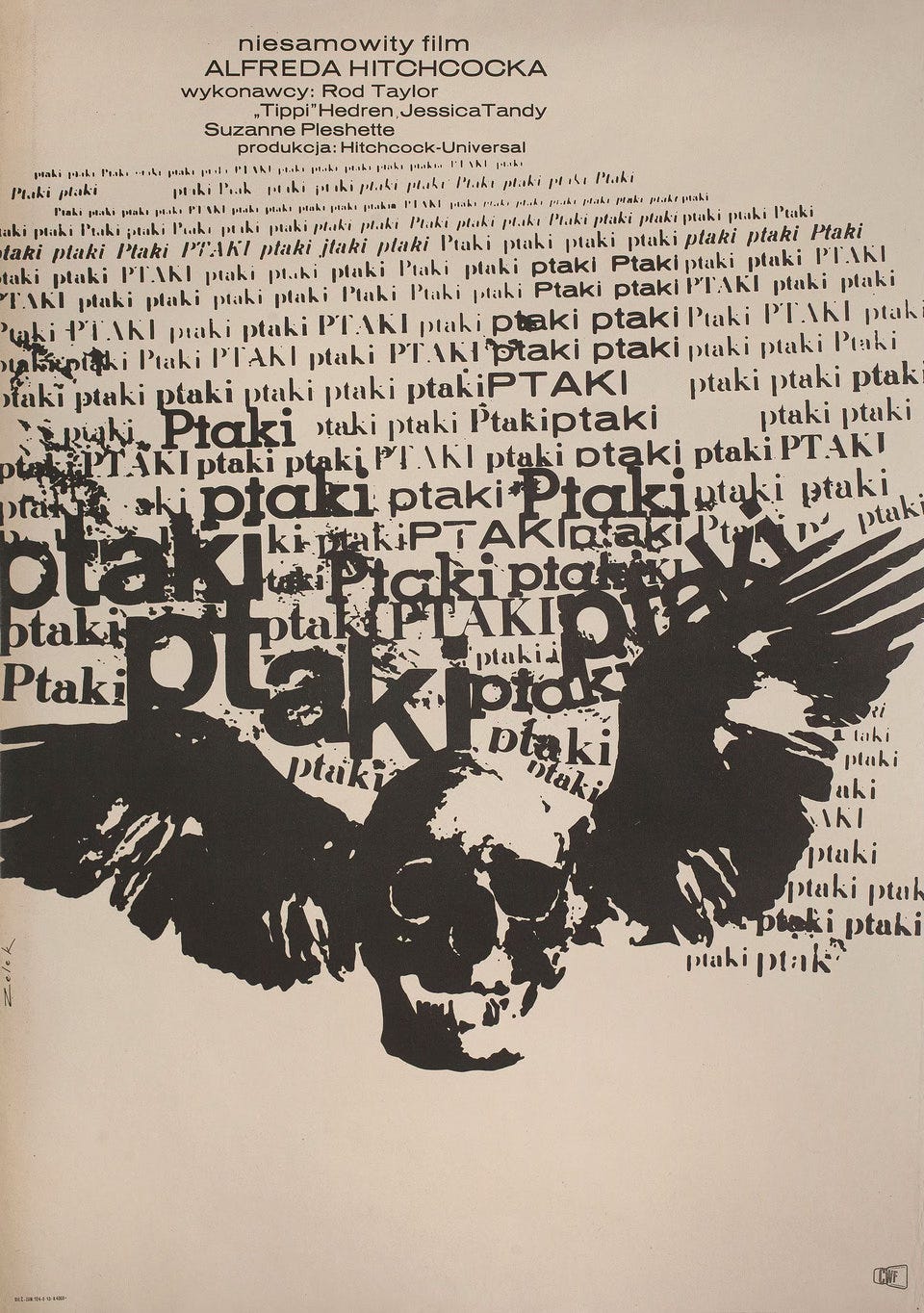
Among these students we find the figure of Tadeusz Gronowski, who helped establish the foundations of the modern Polish poster.
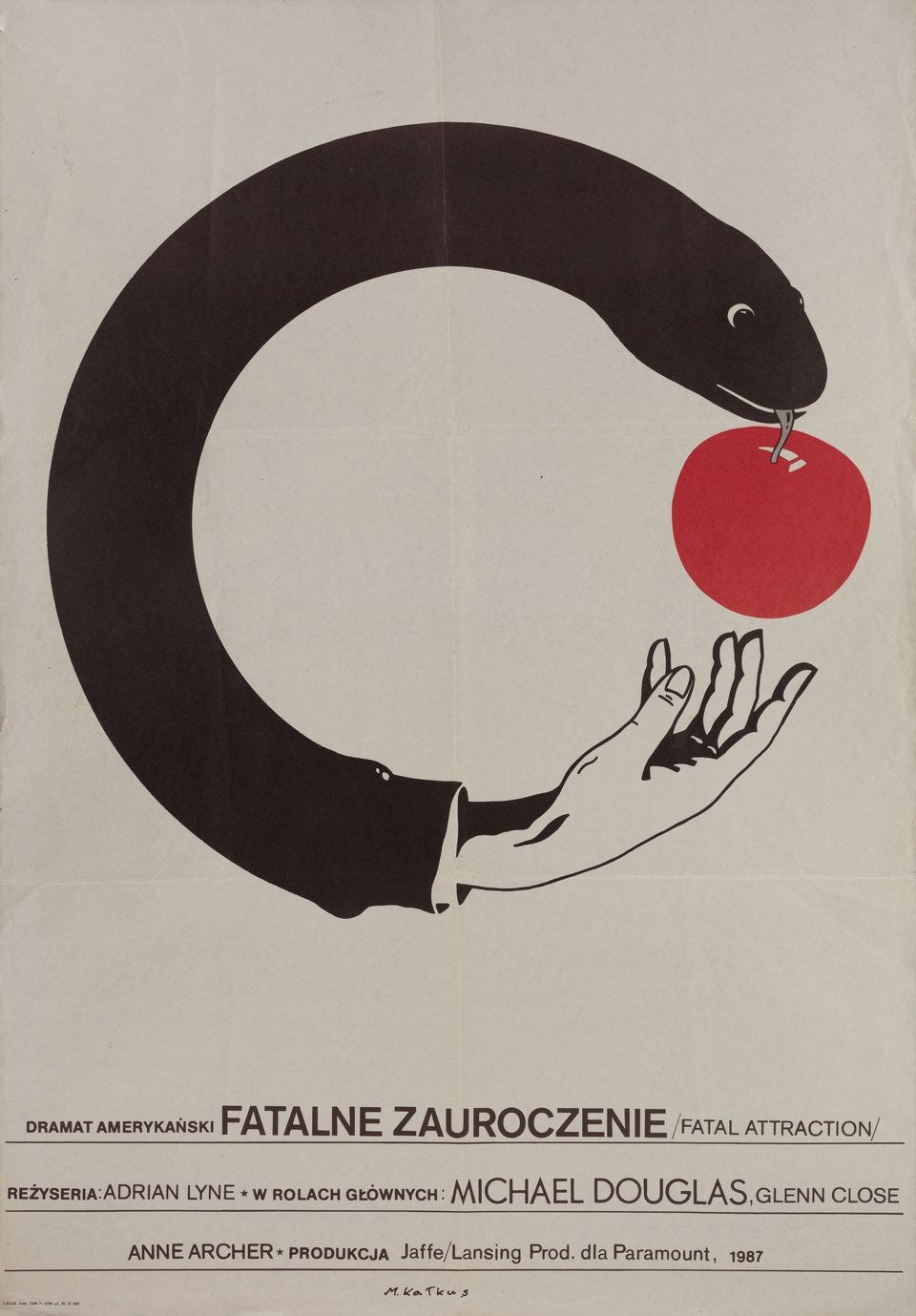
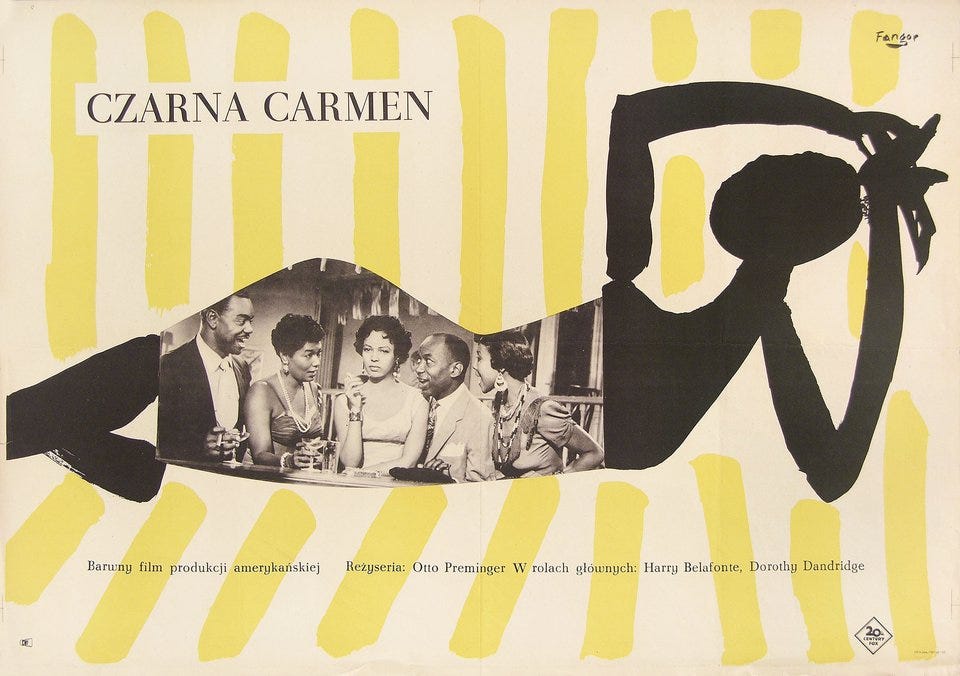
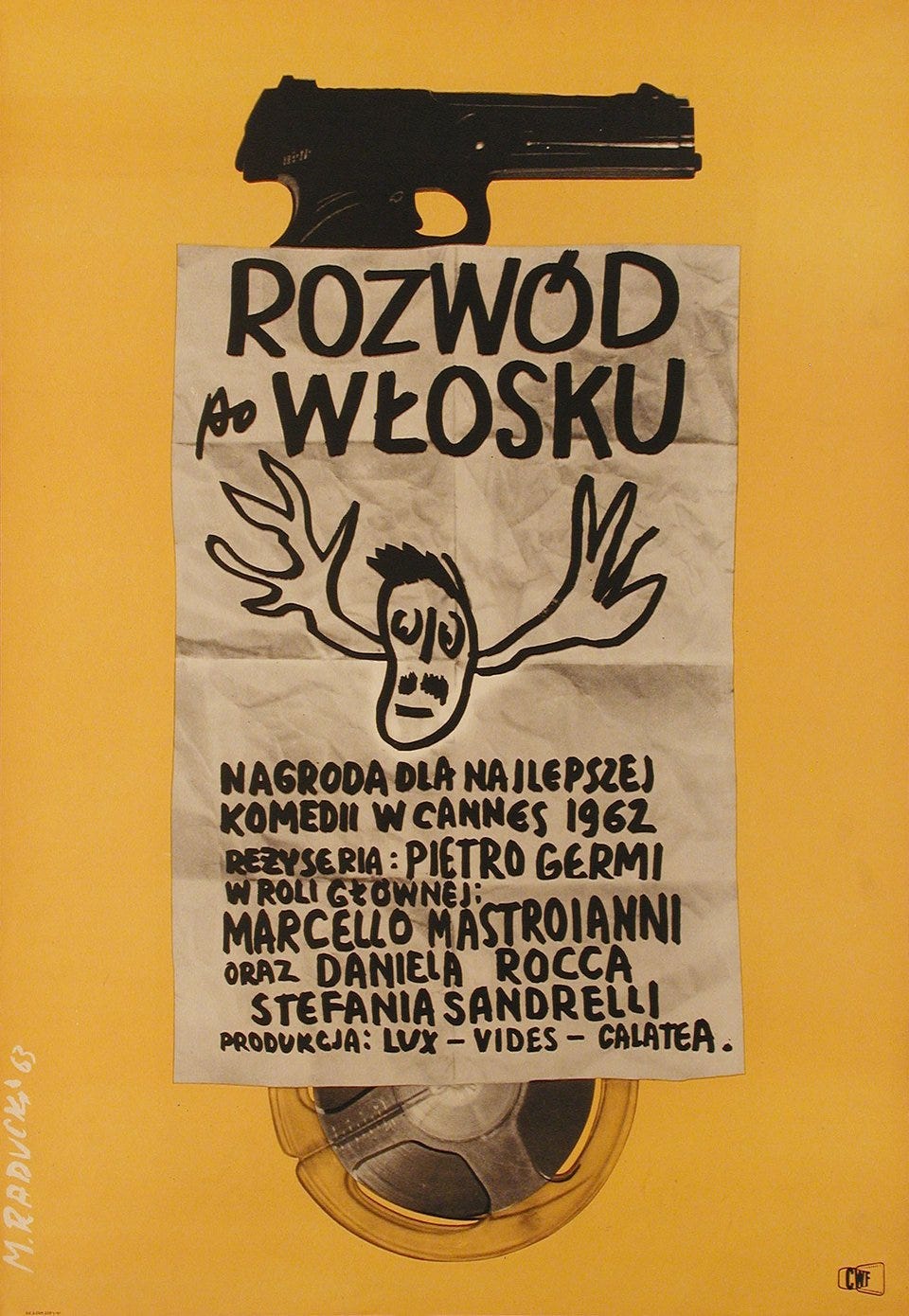
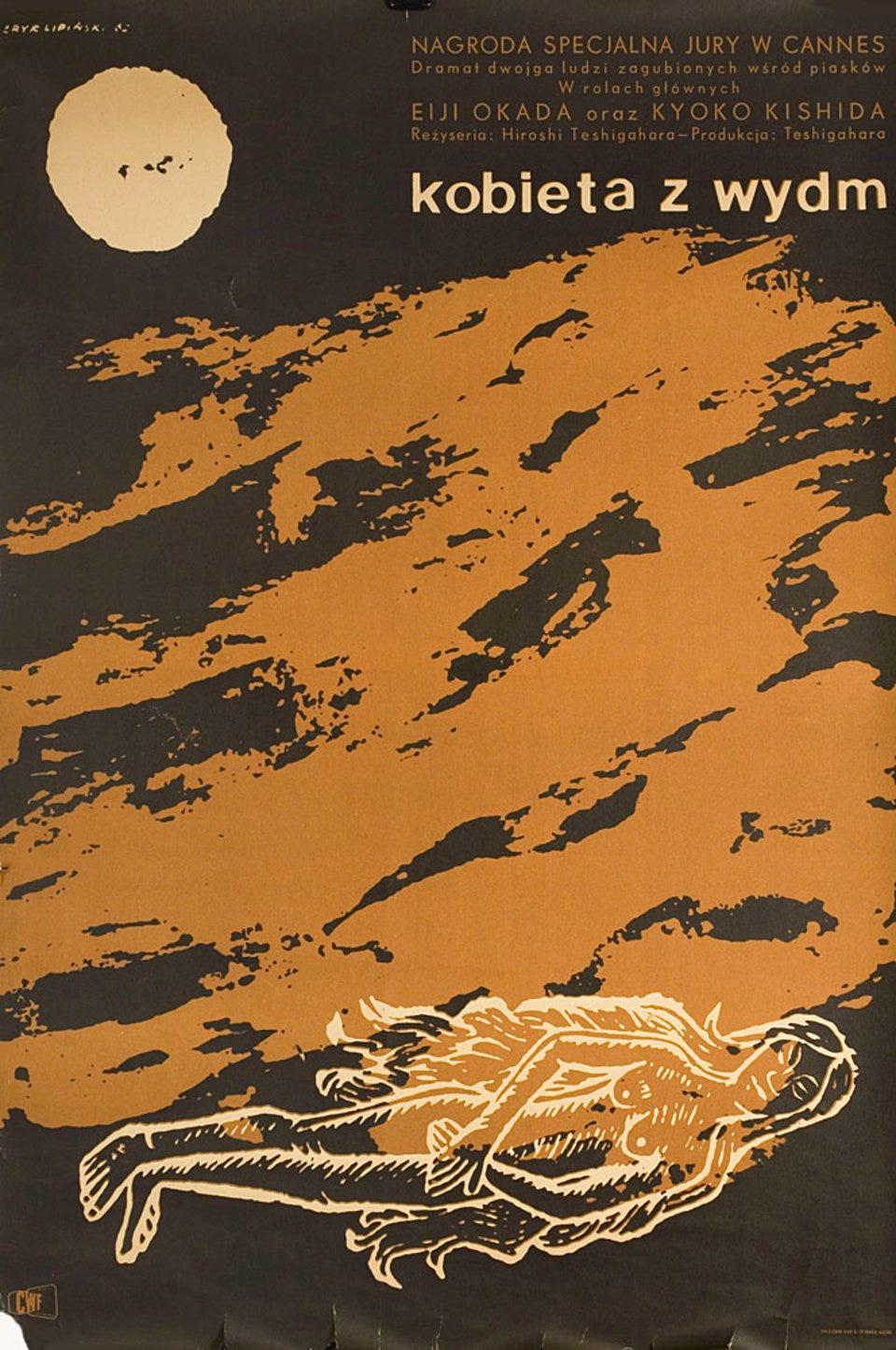
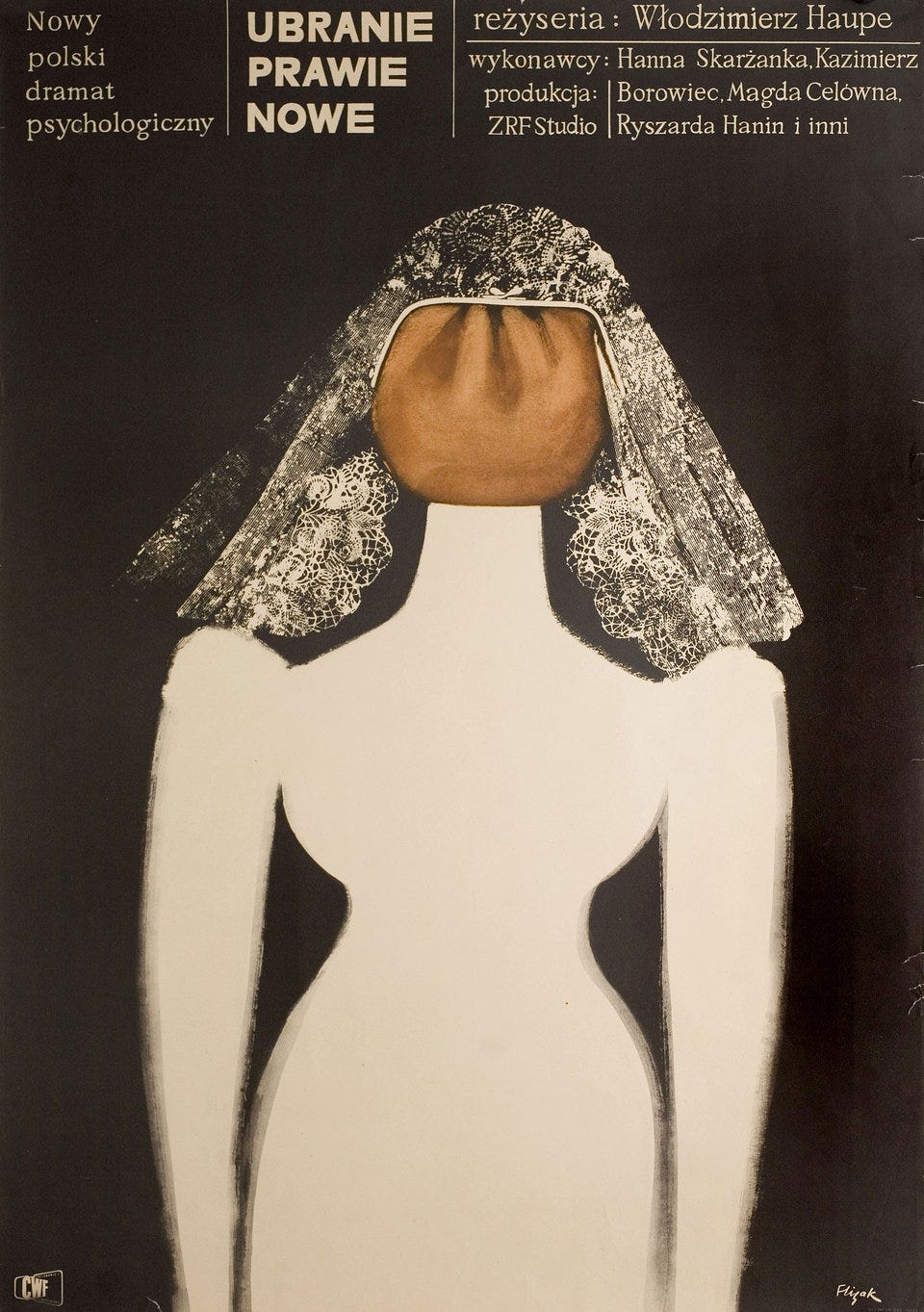
The ‘50s and the early ‘60s mark the Golden Age of Polish posters. Like everything else at the time, the film industry was controlled by the state. Two main institutions were responsible for commissioning poster designs: Film Polski (Polish Film) and Centrala Wynajmu Filmów – CWF (Movie Rentals Central).
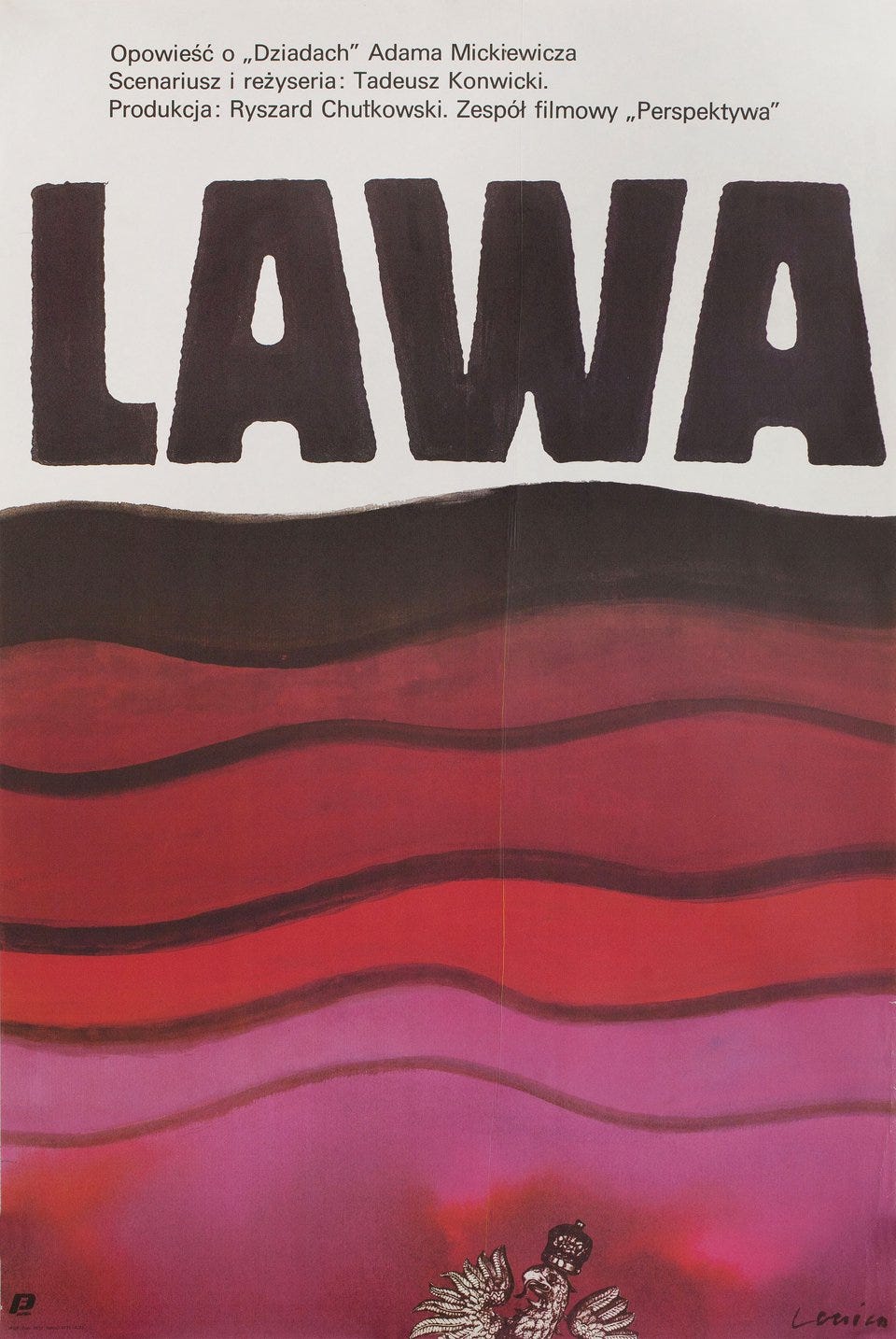
Rather than hiring graphic designers, they commissioned artists, each of whom brought a distinct voice to their work. As a result, the Polish Poster School is therefore not stylistically unified, but remarkably diverse.
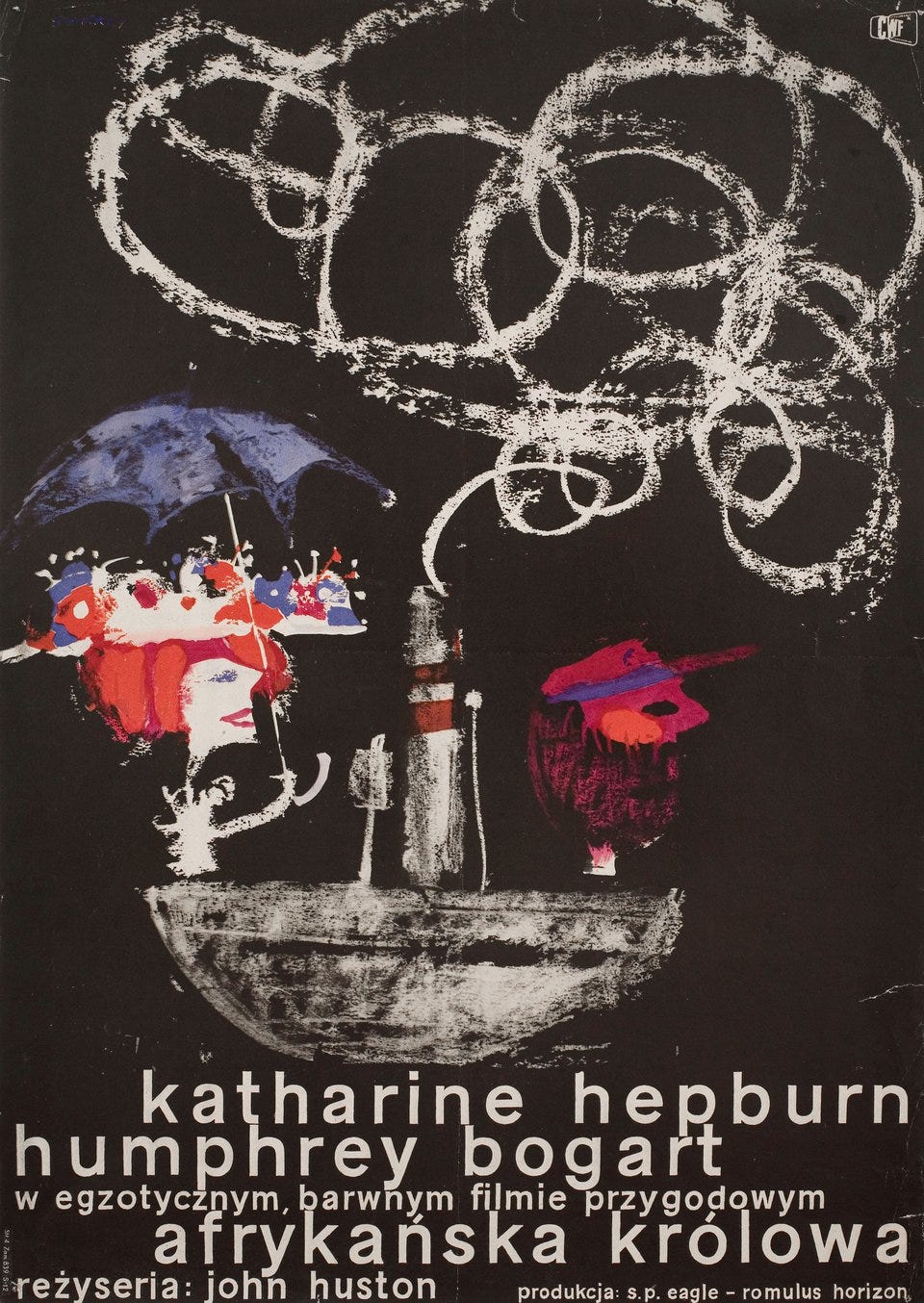
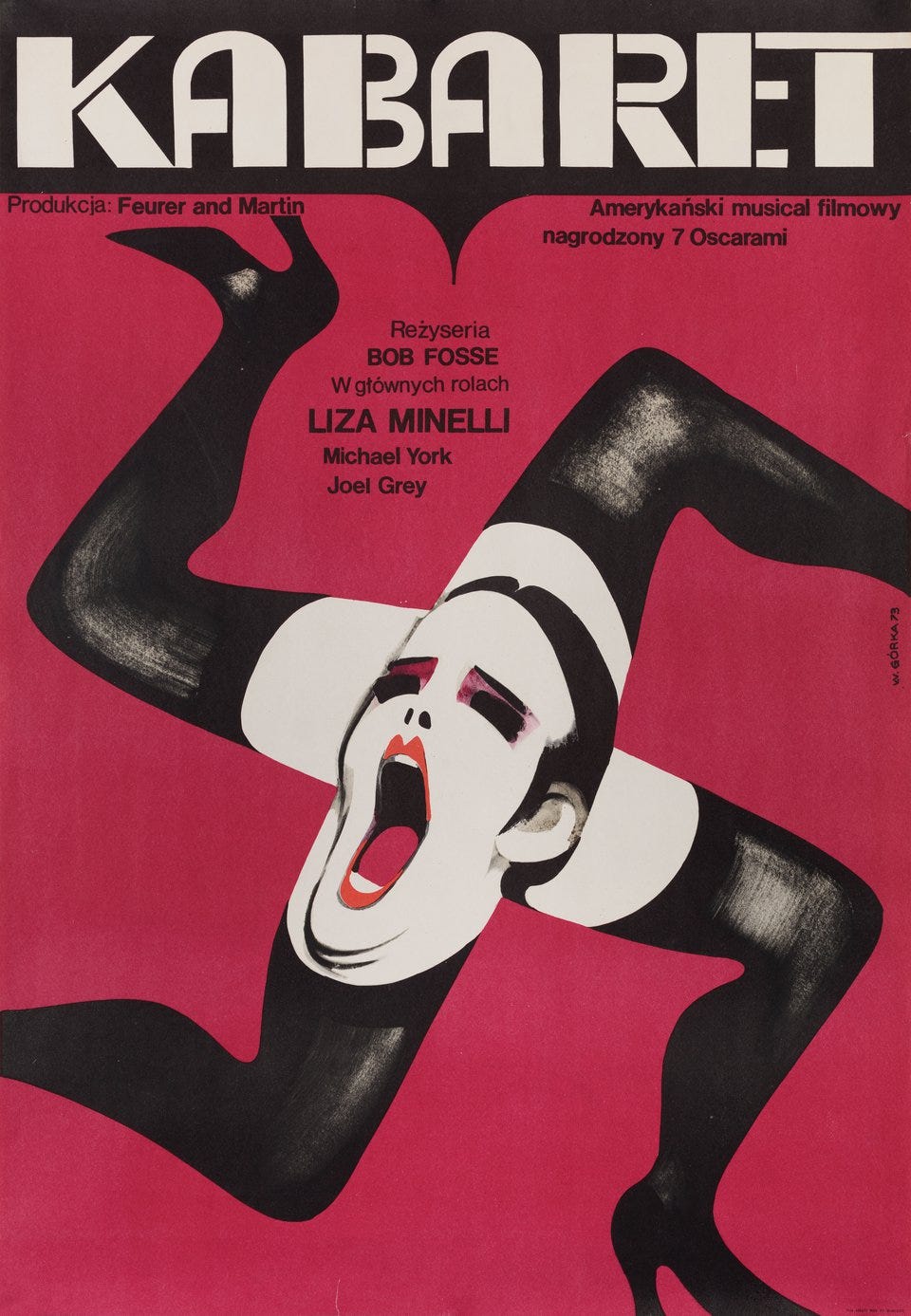
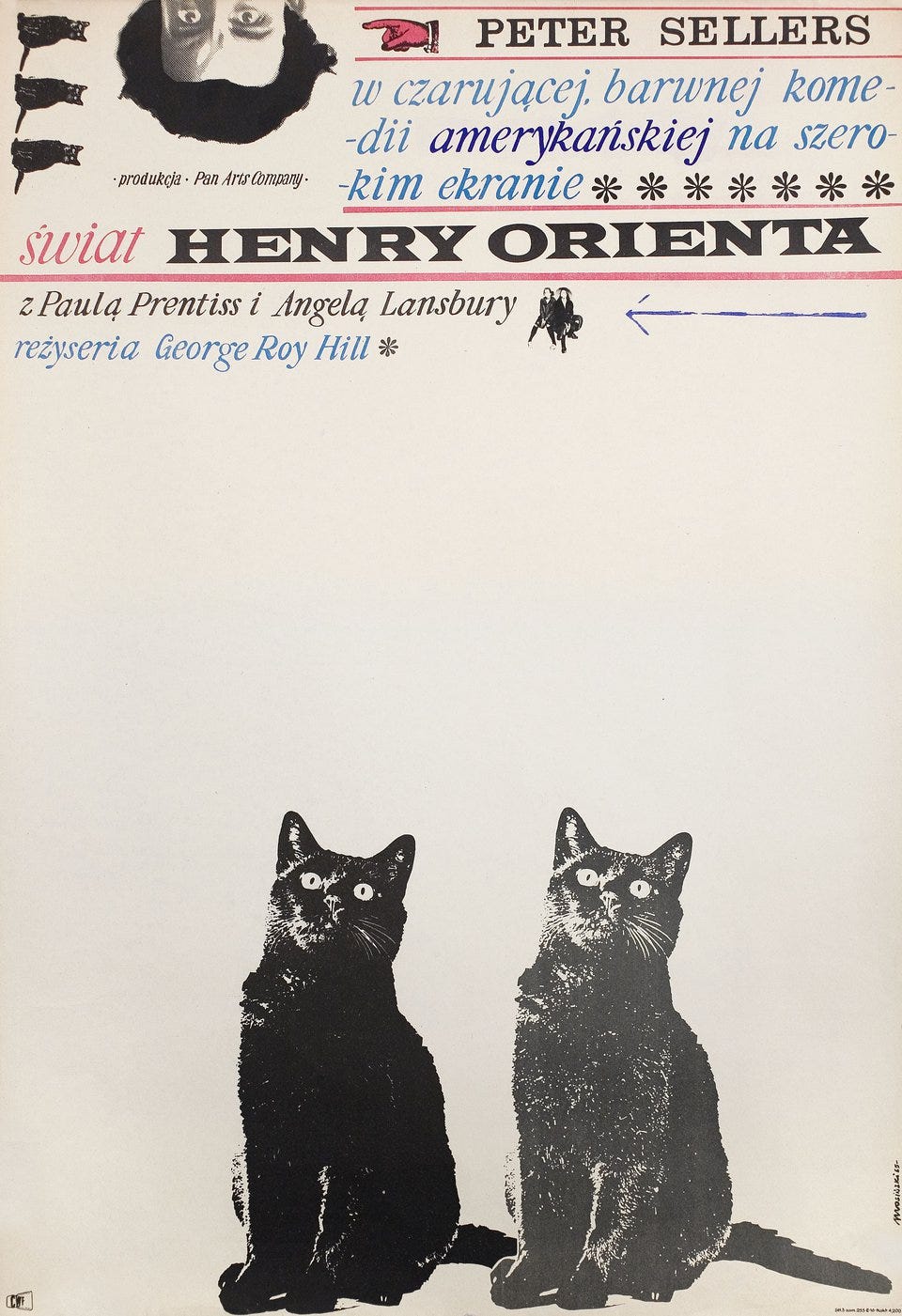
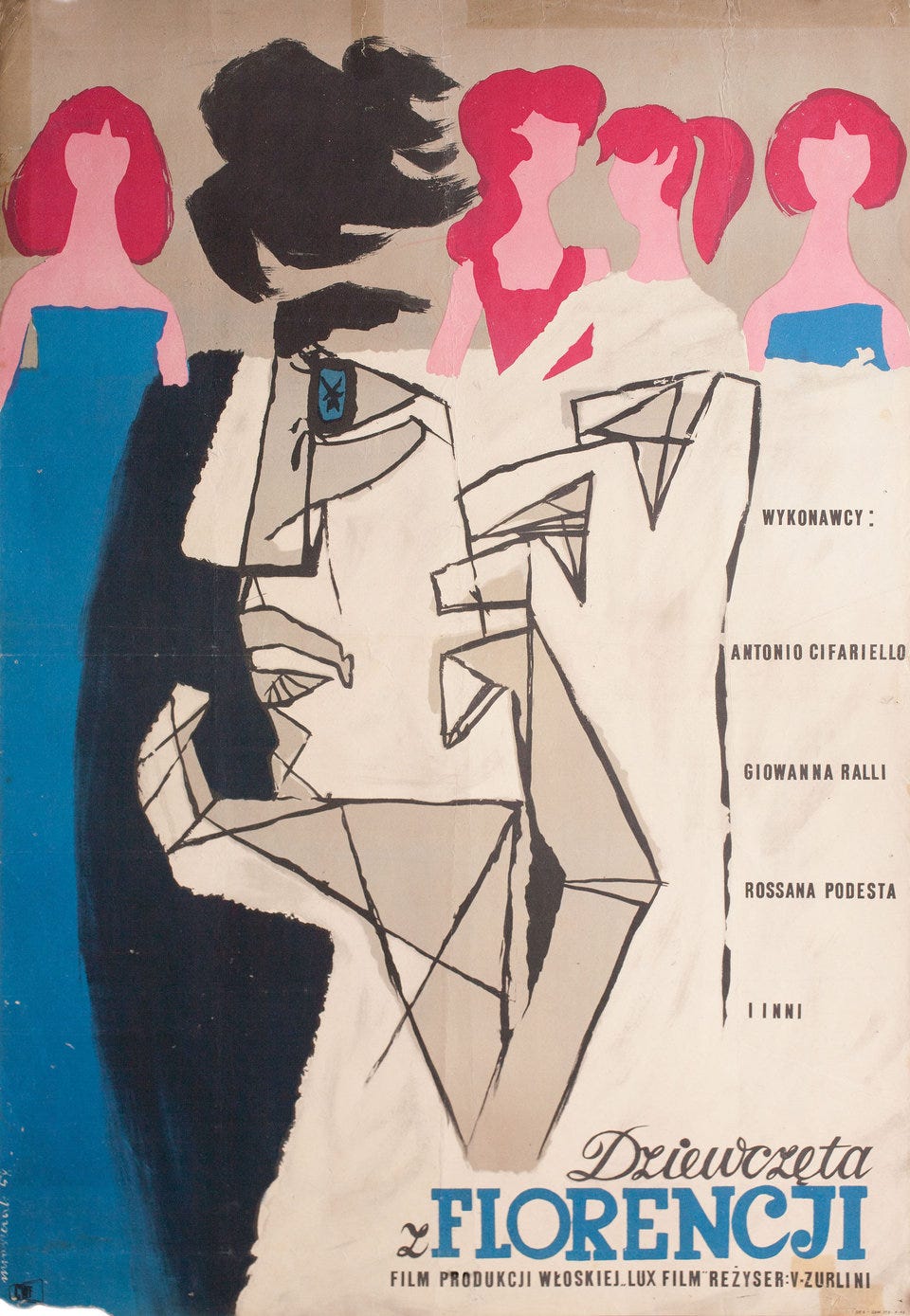
At the time, the poster was essentially the only permitted form of individual artistic expression. The state showed little concern for how the posters actually looked. Paradoxically, this state control became something of a blessing in disguise: free from the commercial constraints of a capitalist economy, artists were able to fully explore their creative potential.
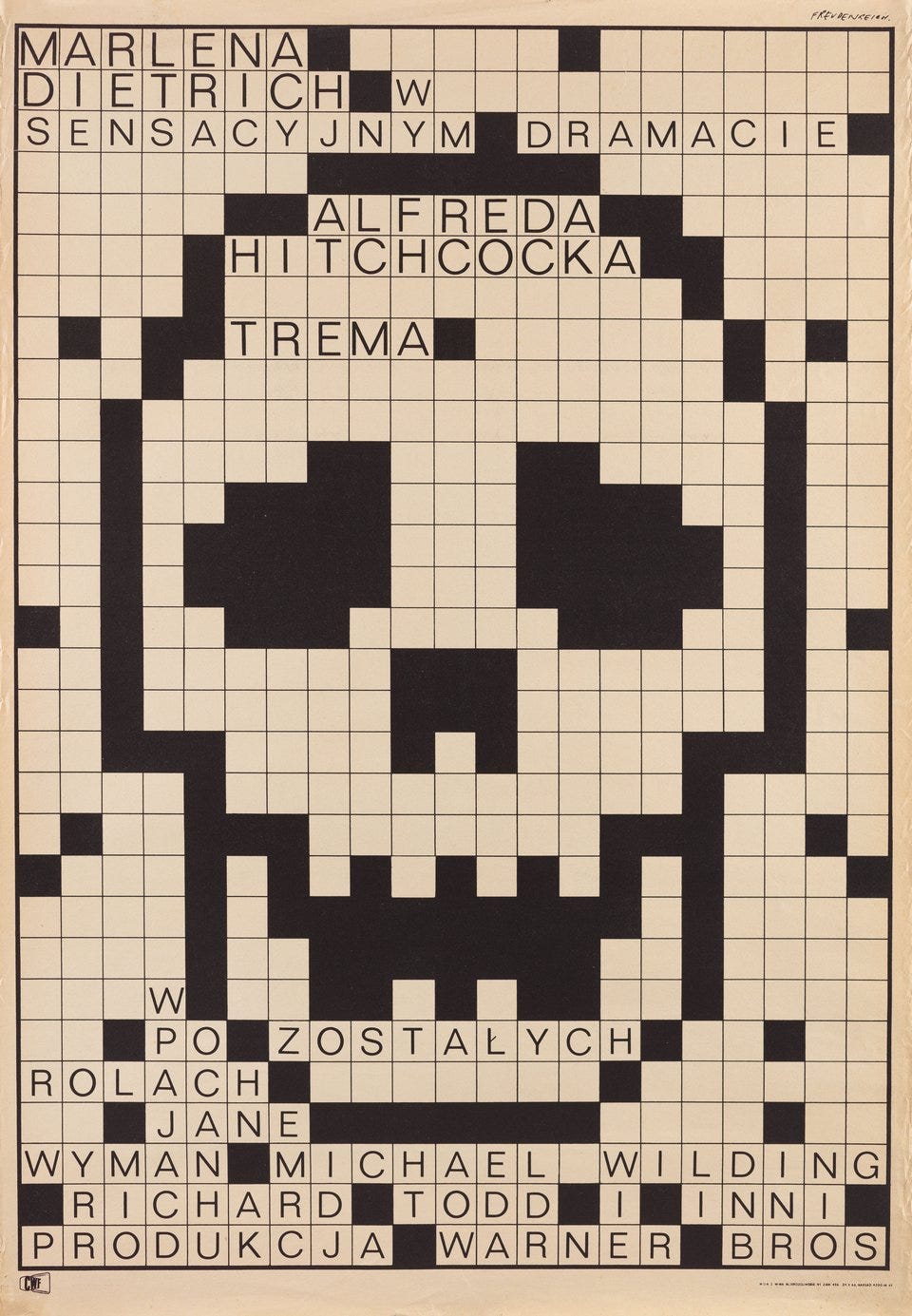
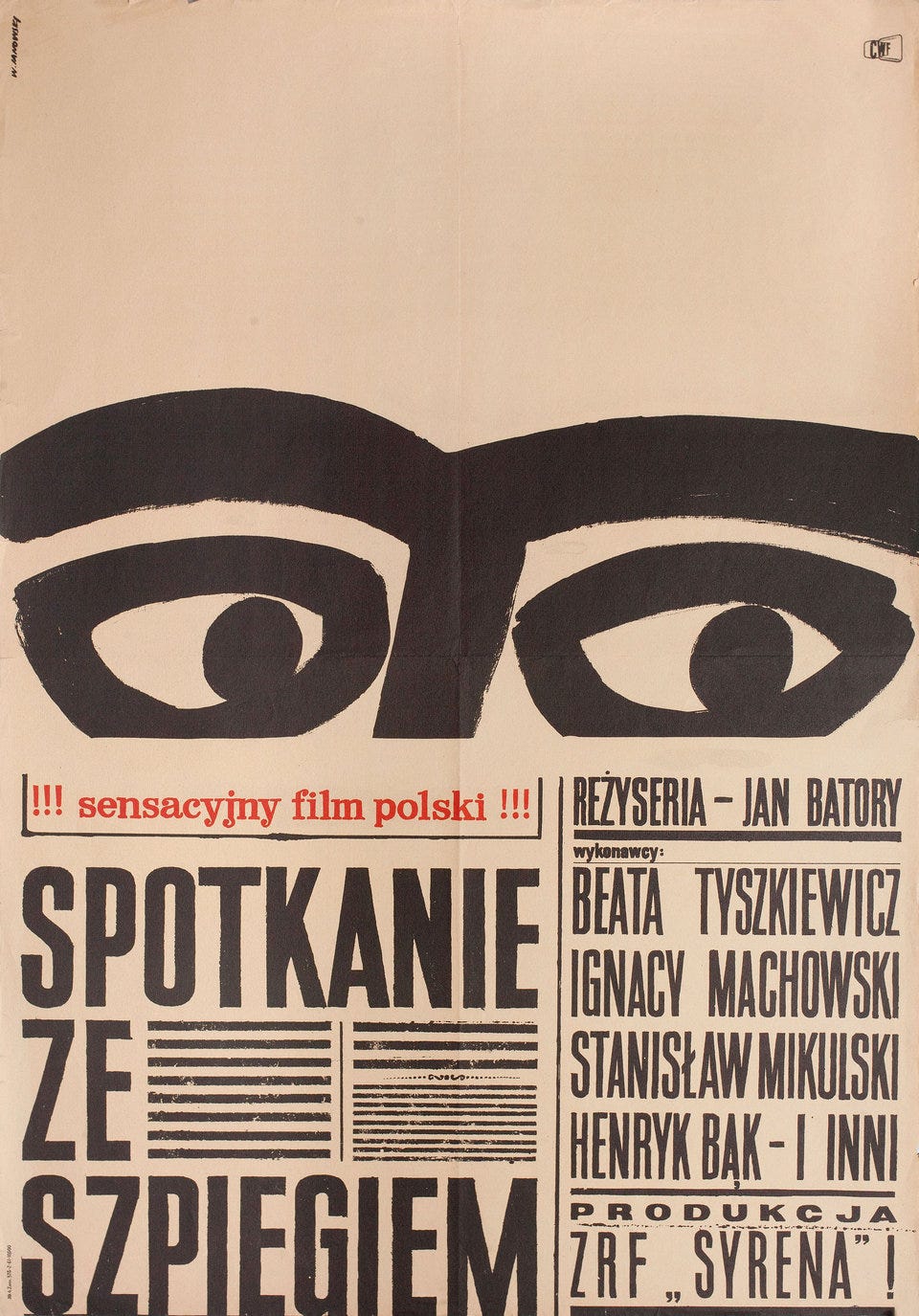
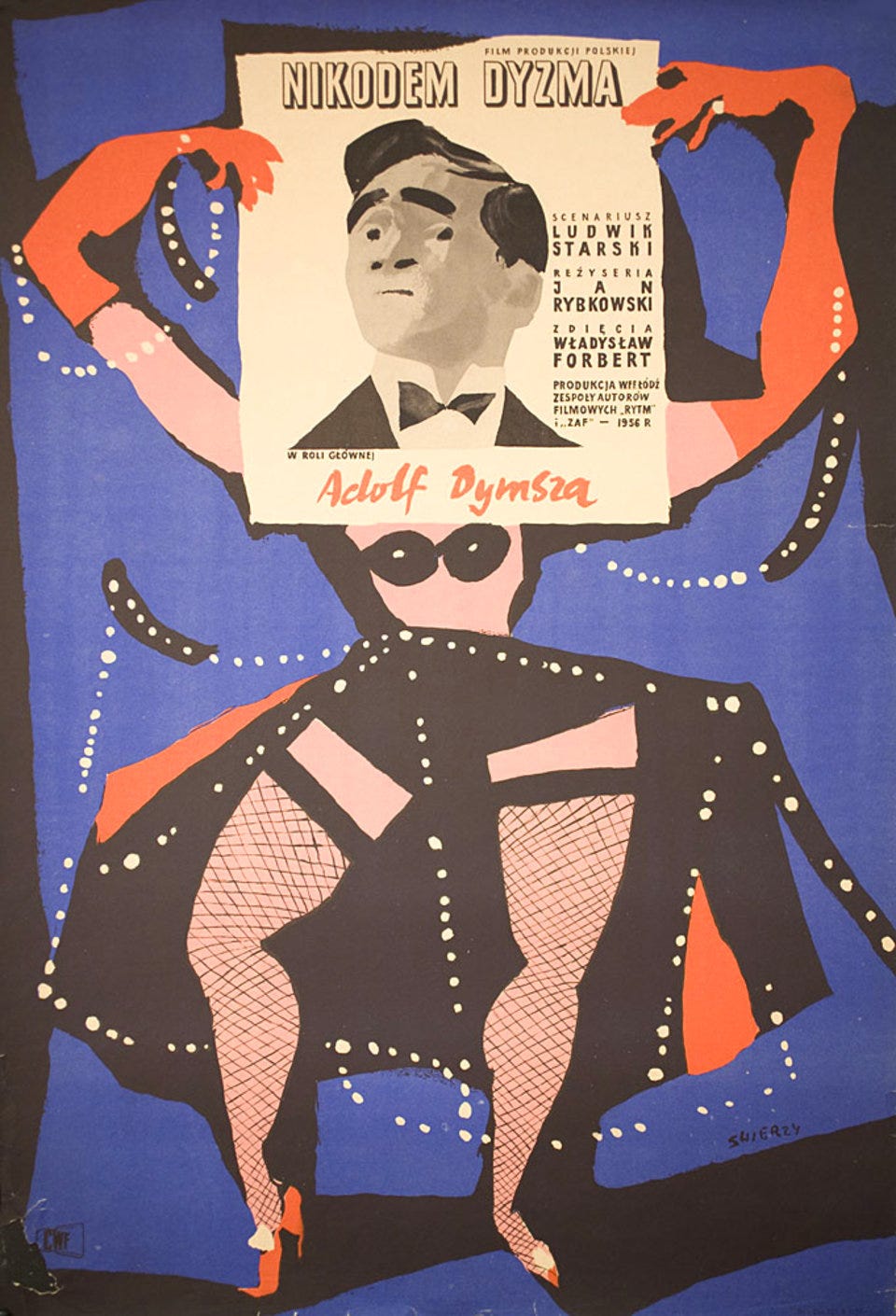
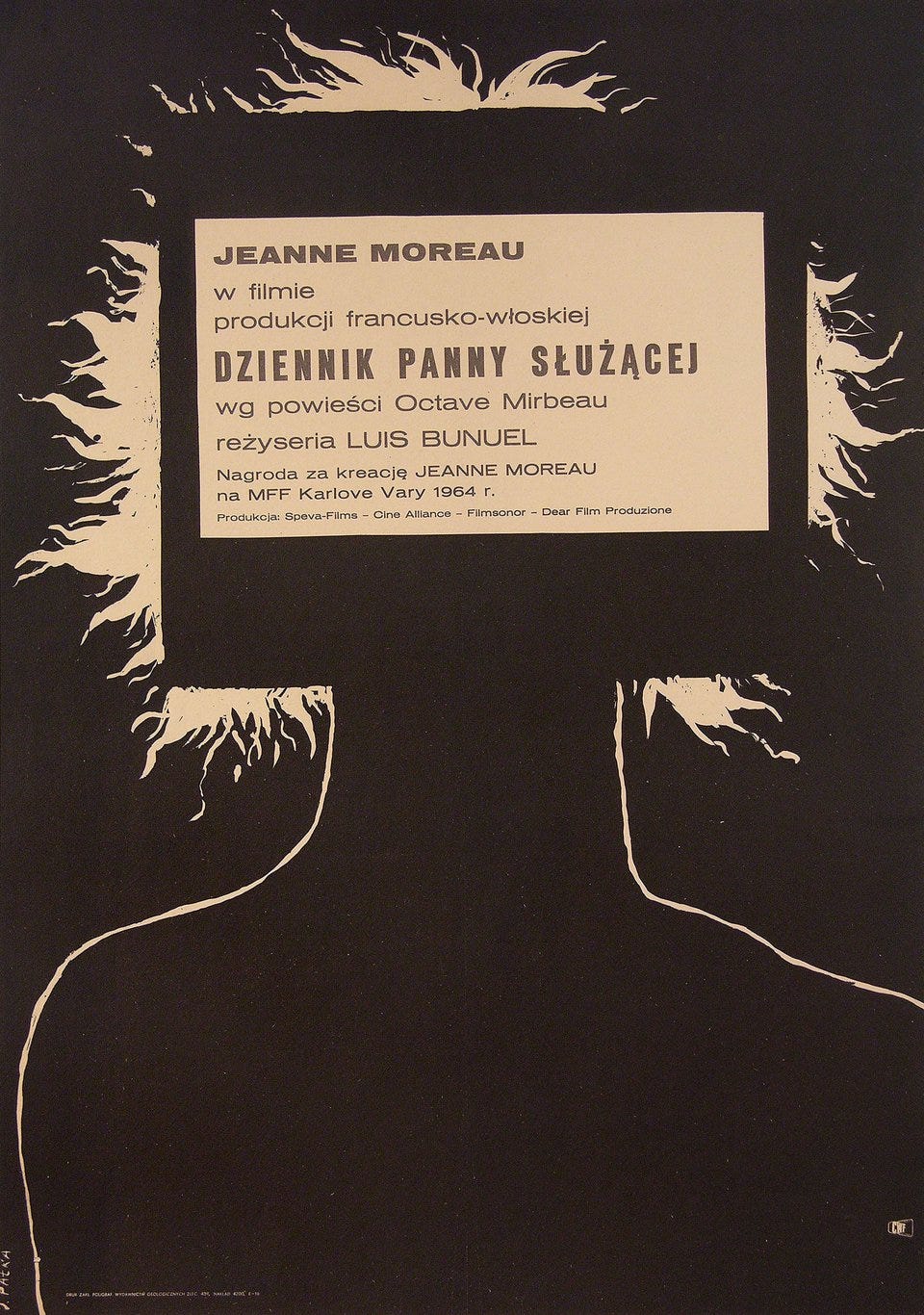
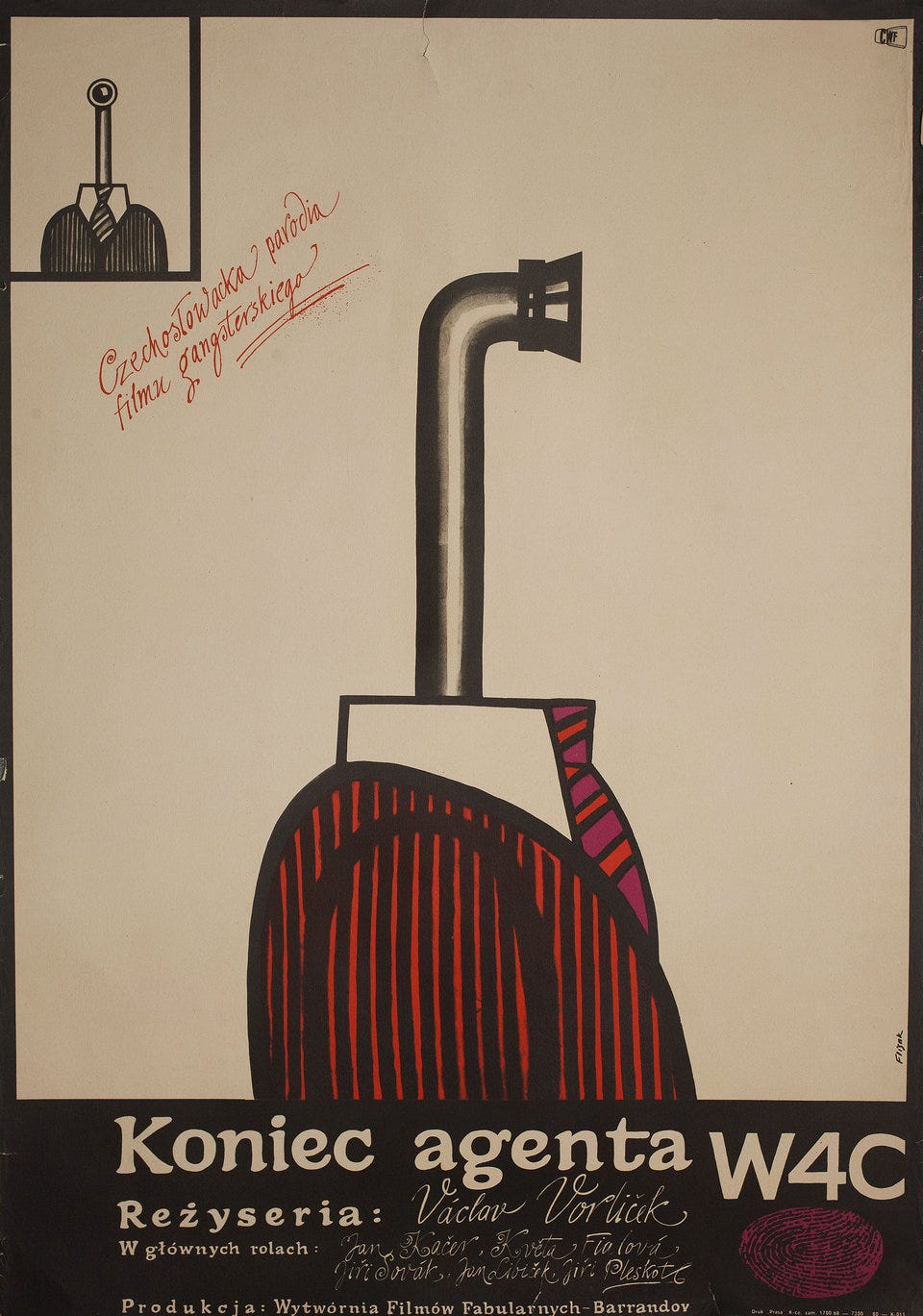
This freedom also encouraged the use of metaphor, symbolism, and visual wit, which became defining characteristics of Polish poster design.
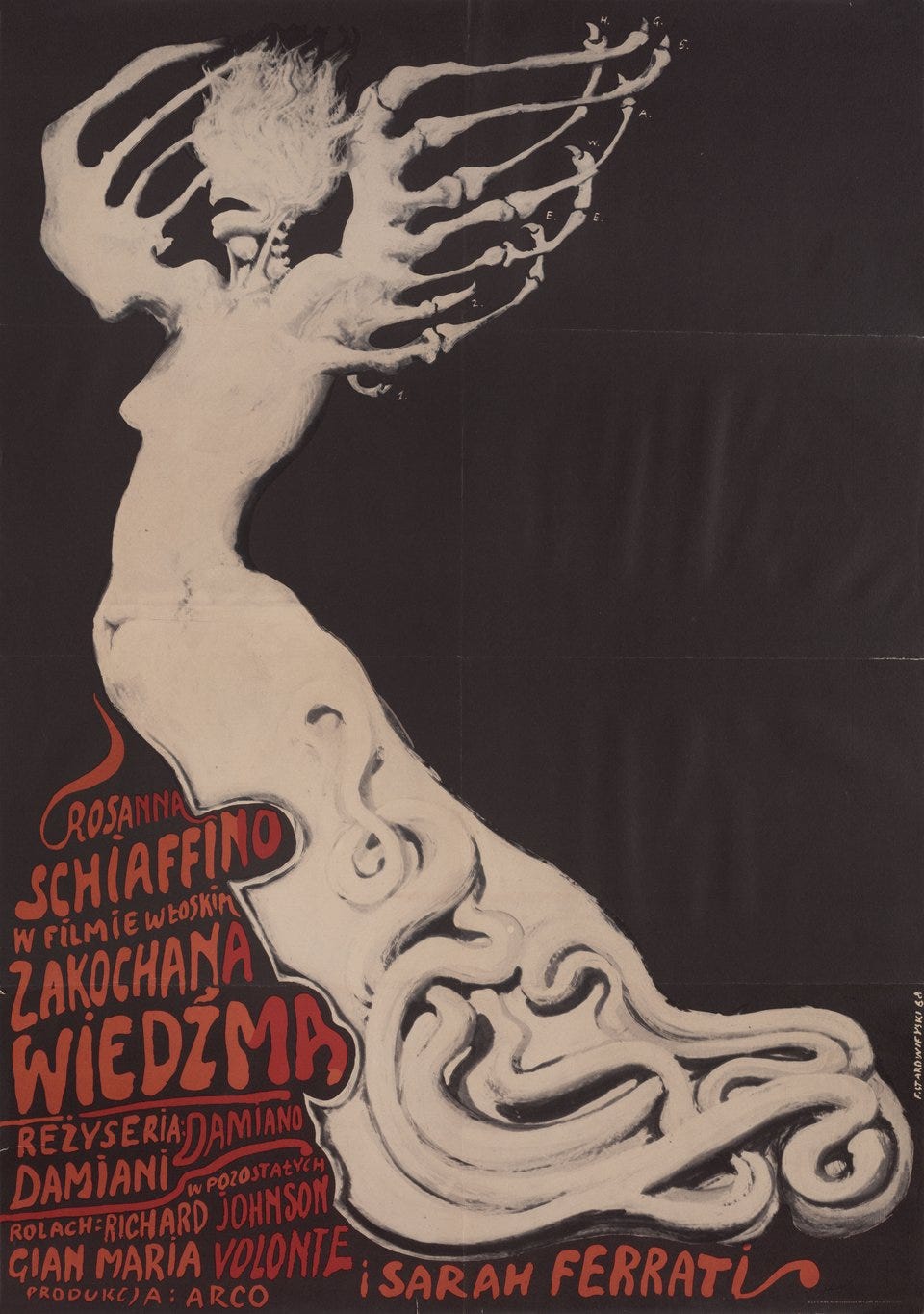
What sets Polish posters apart is that they are artist-driven rather than studio-driven. They are closer to fine art than to commercial design. Painterly rather than purely graphic.
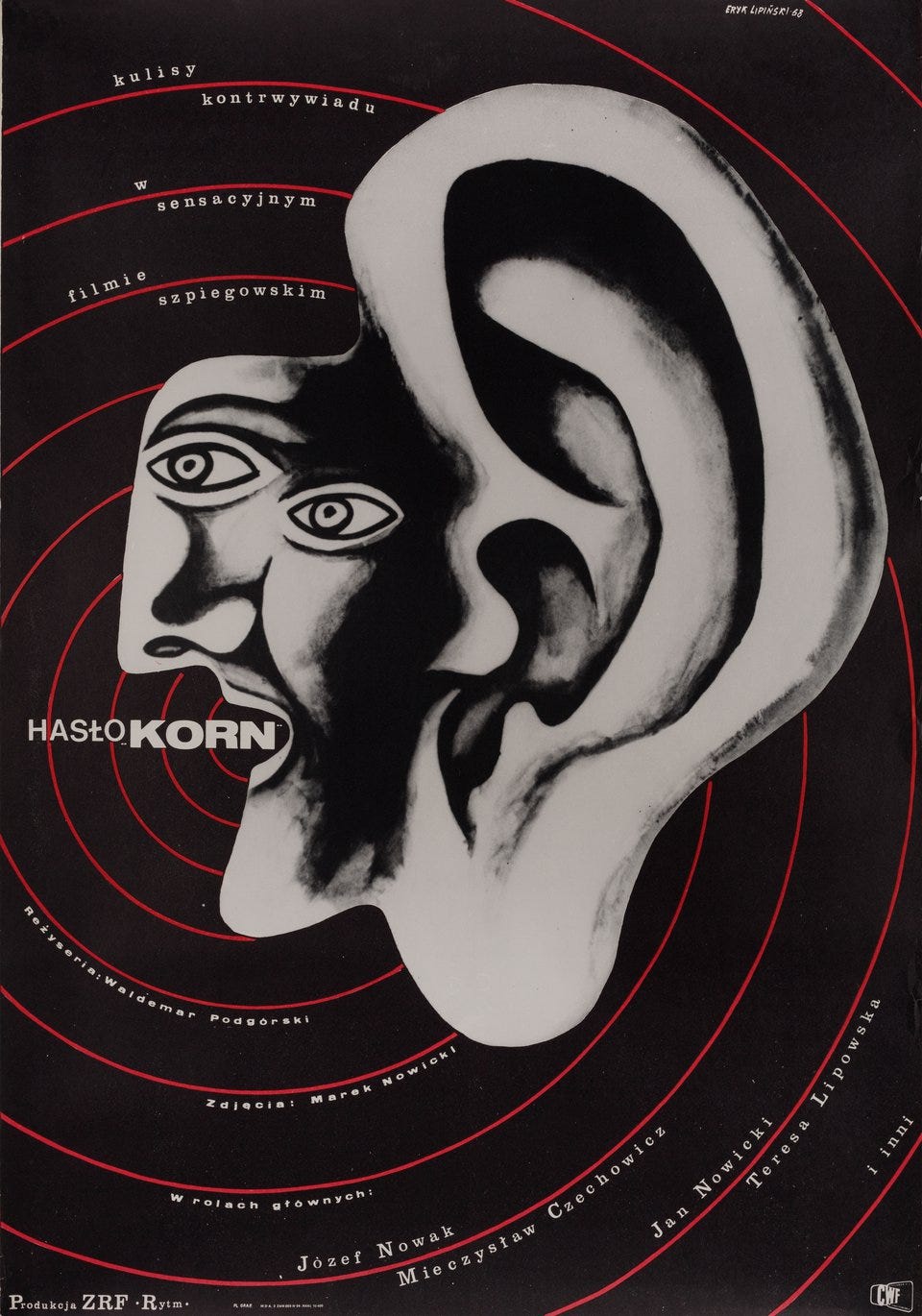
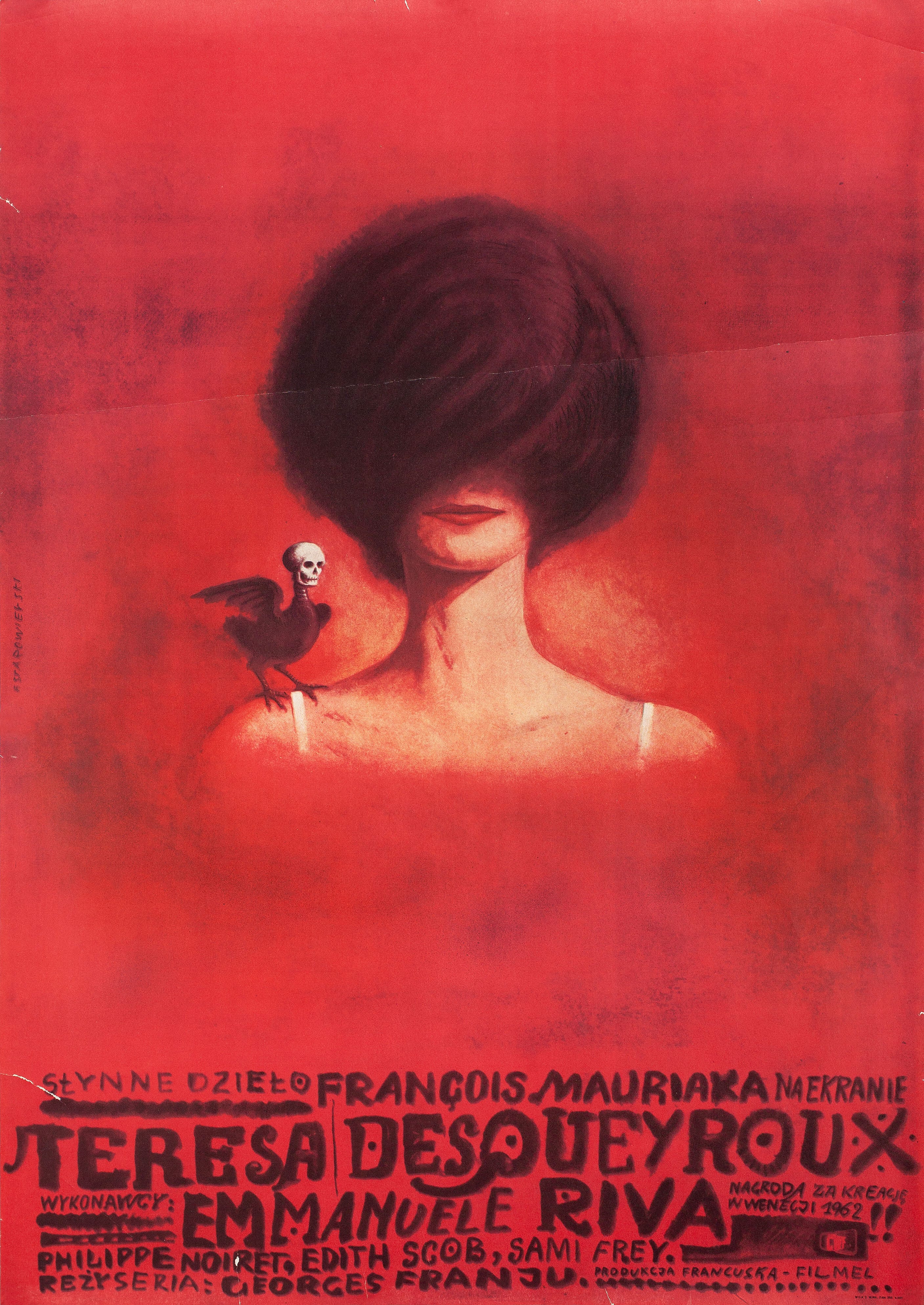
Artists requested, and were granted, complete artistic freedom. They created striking imagery inspired by the films without literally depicting them: no star headshots, no film stills, and not necessarily any direct reference to the title.
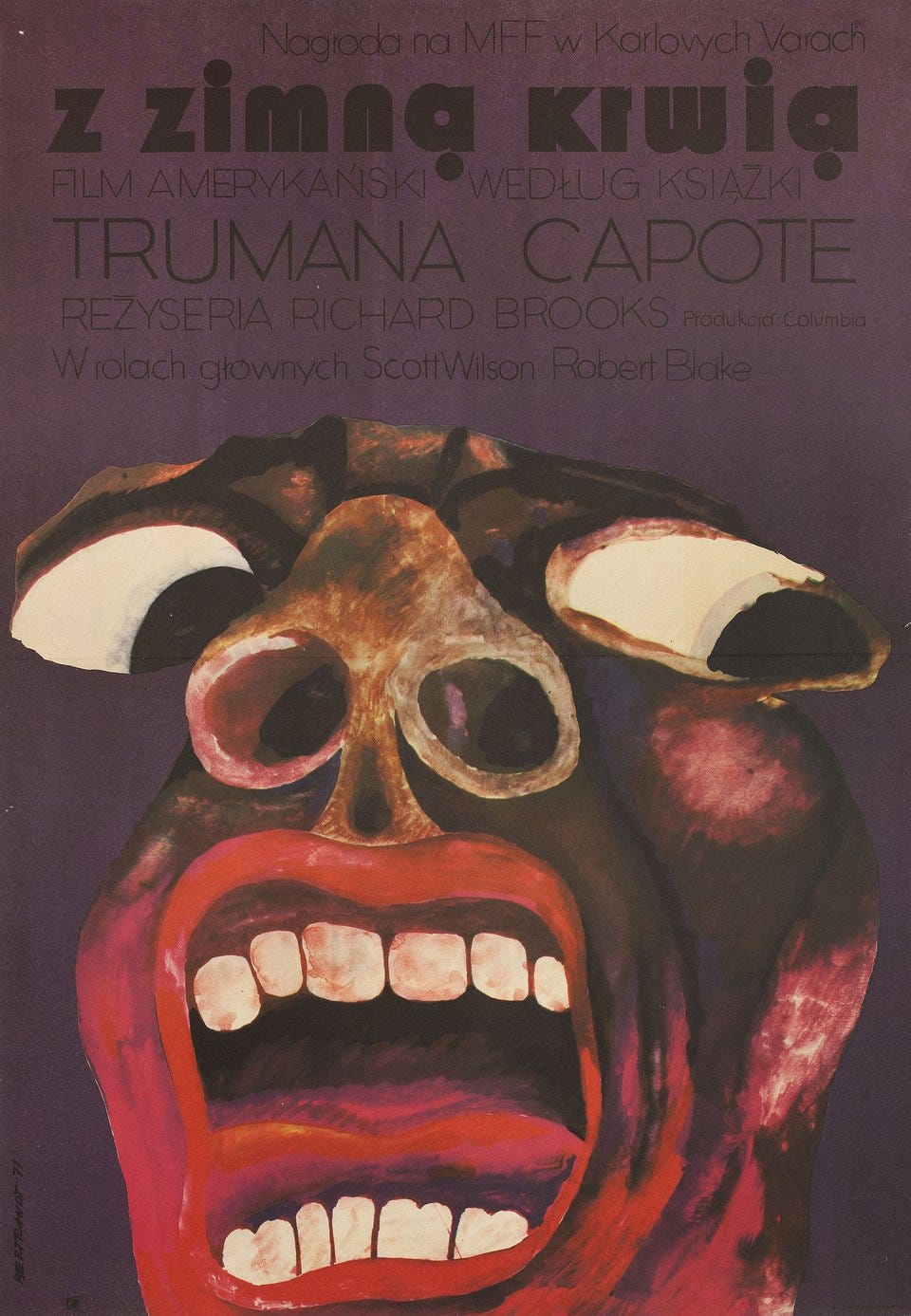
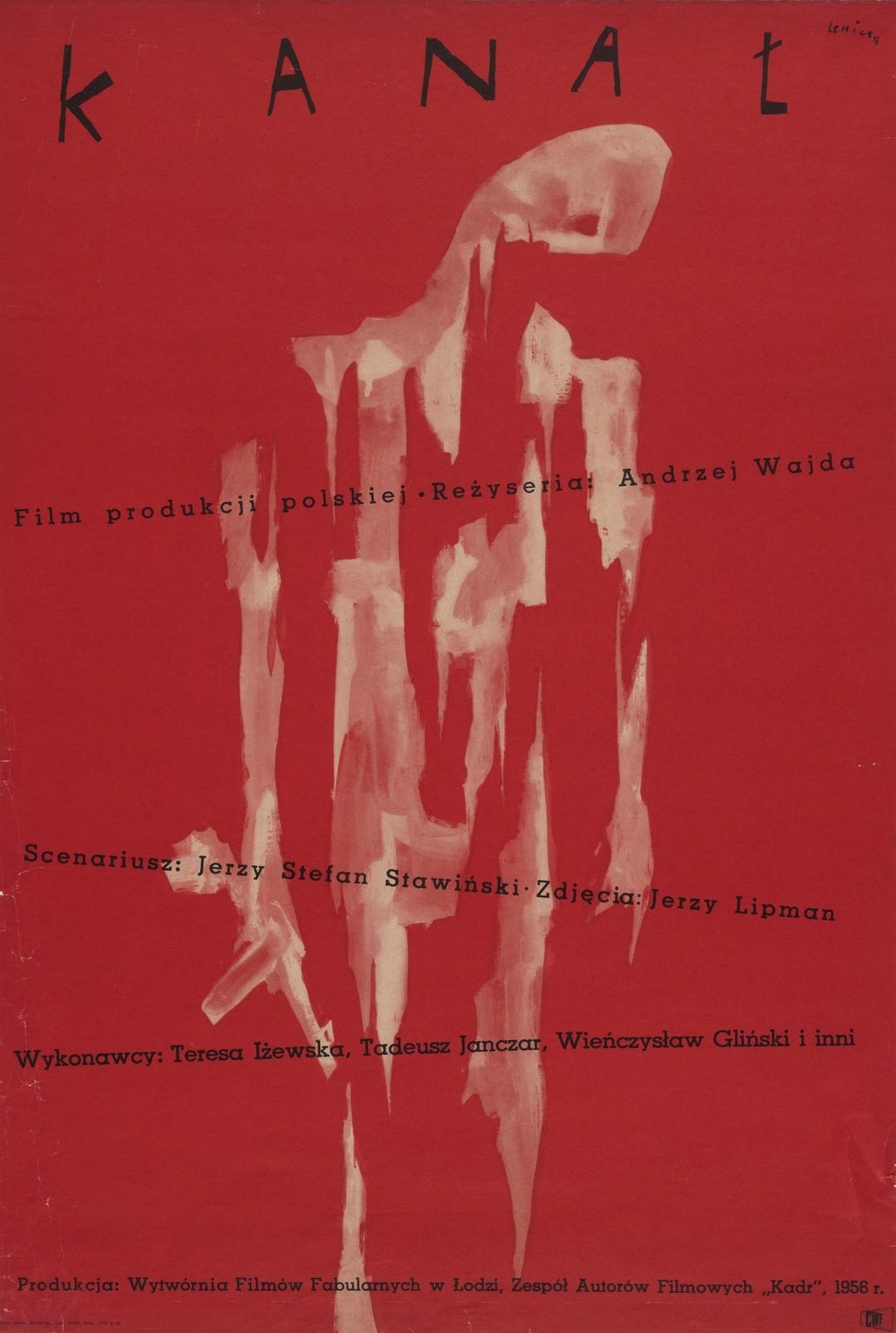
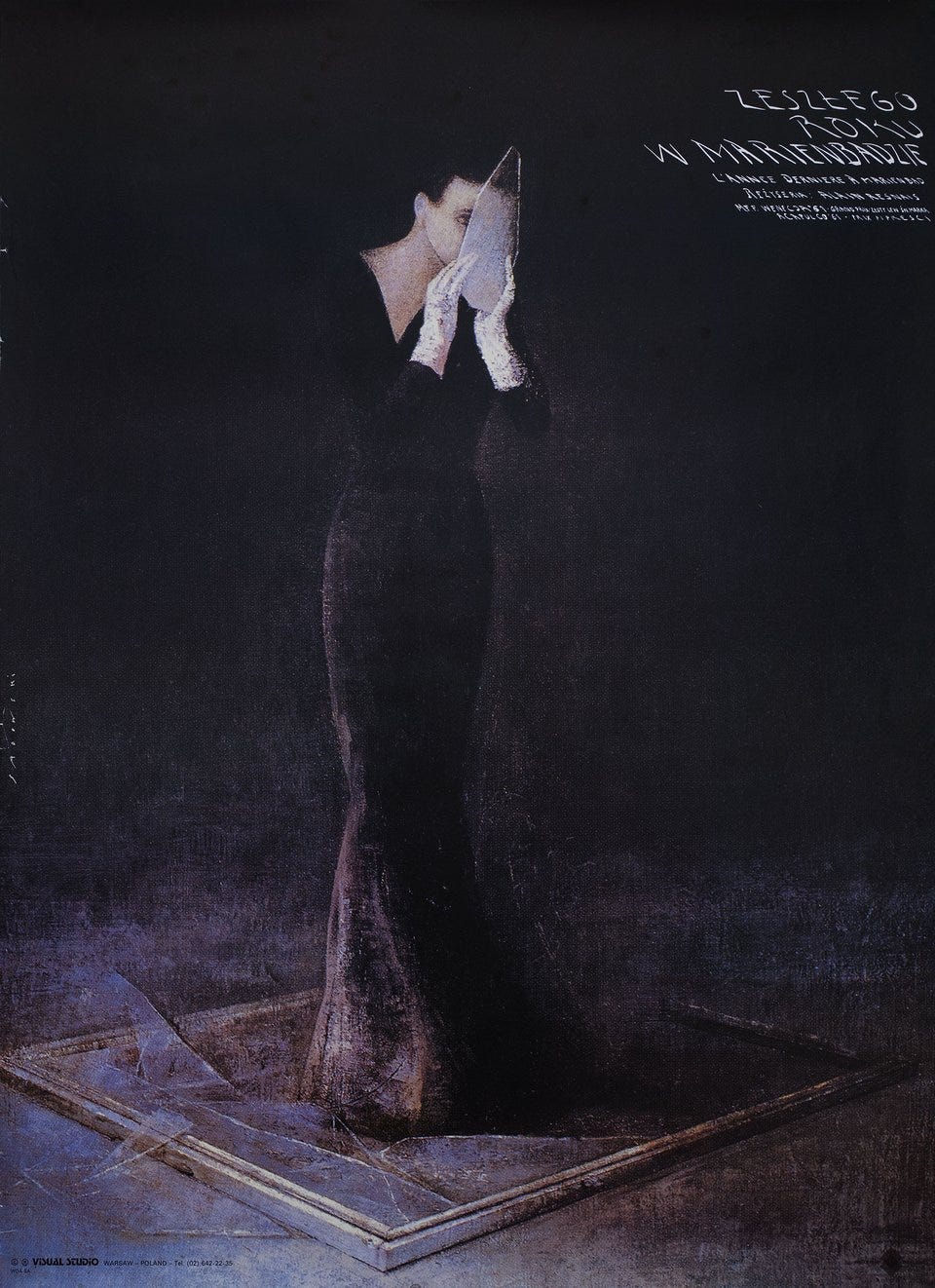
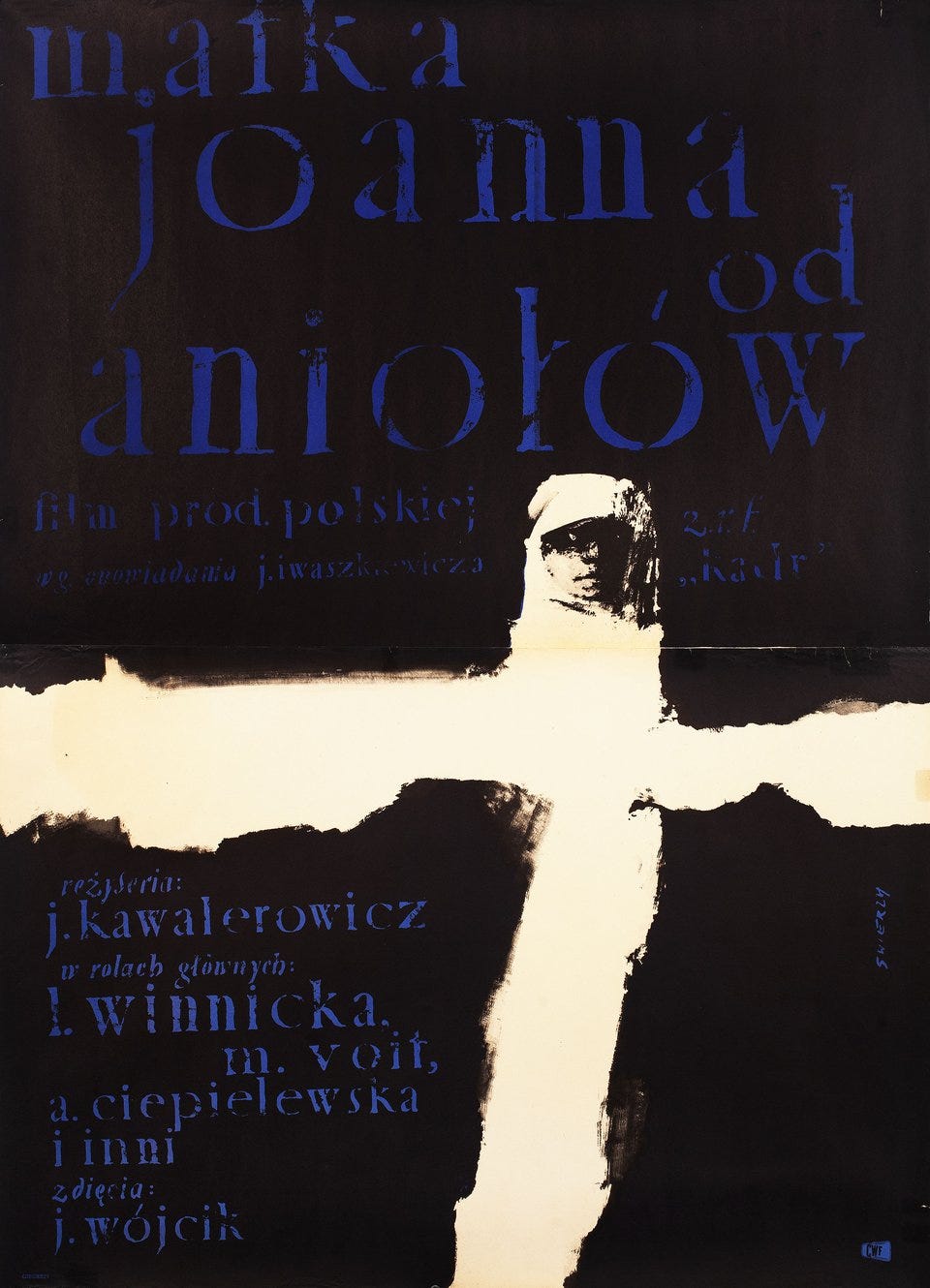
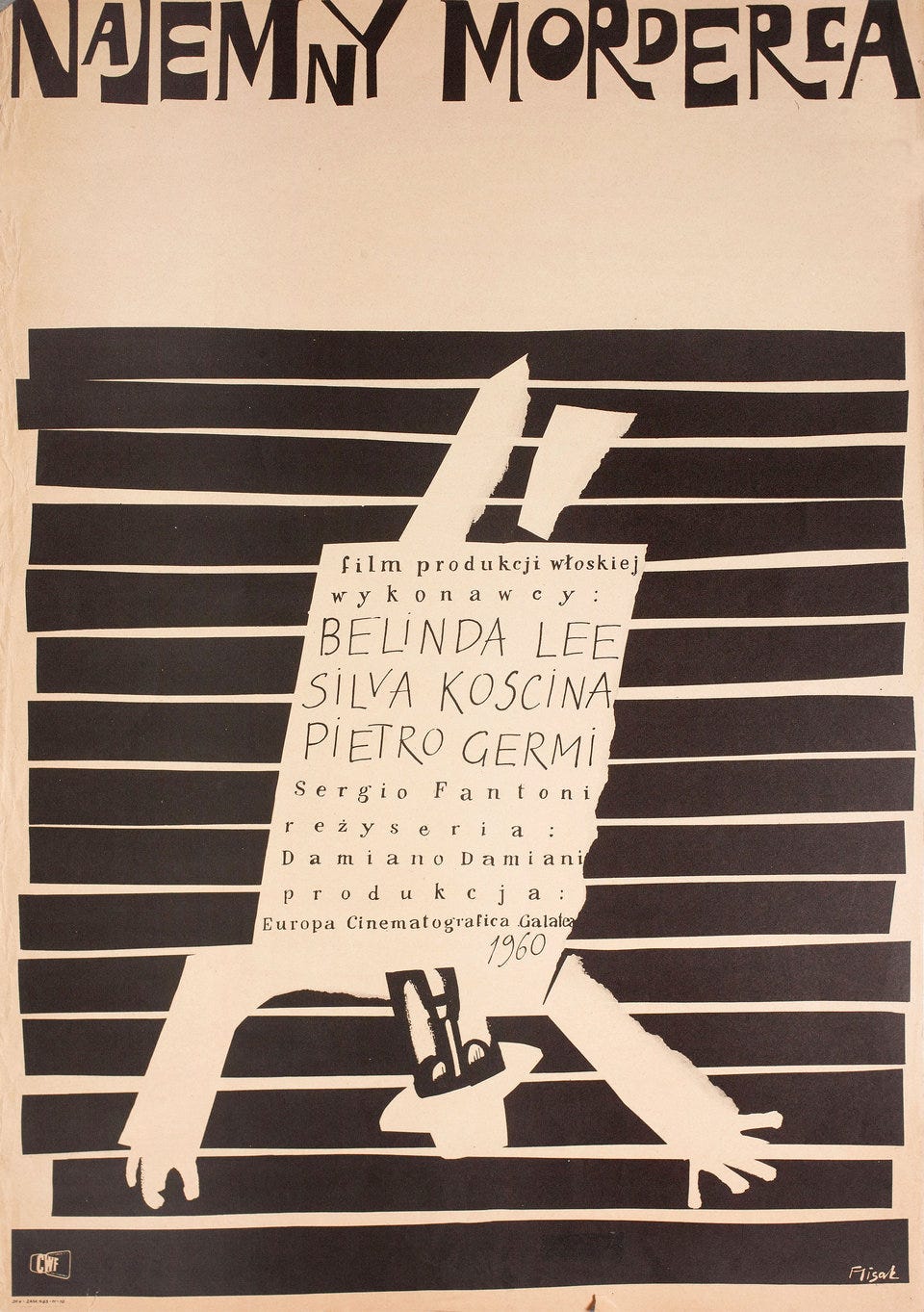
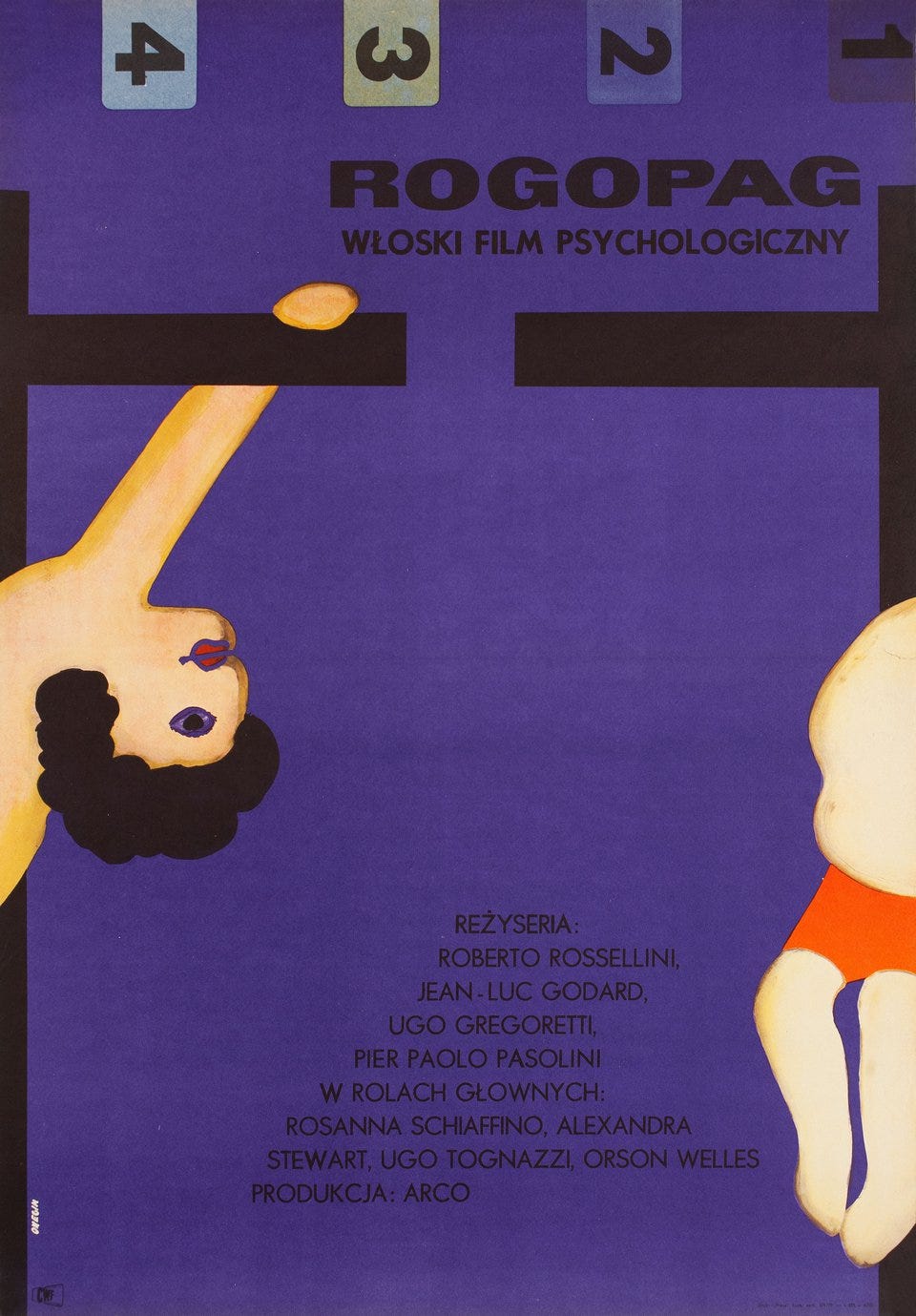
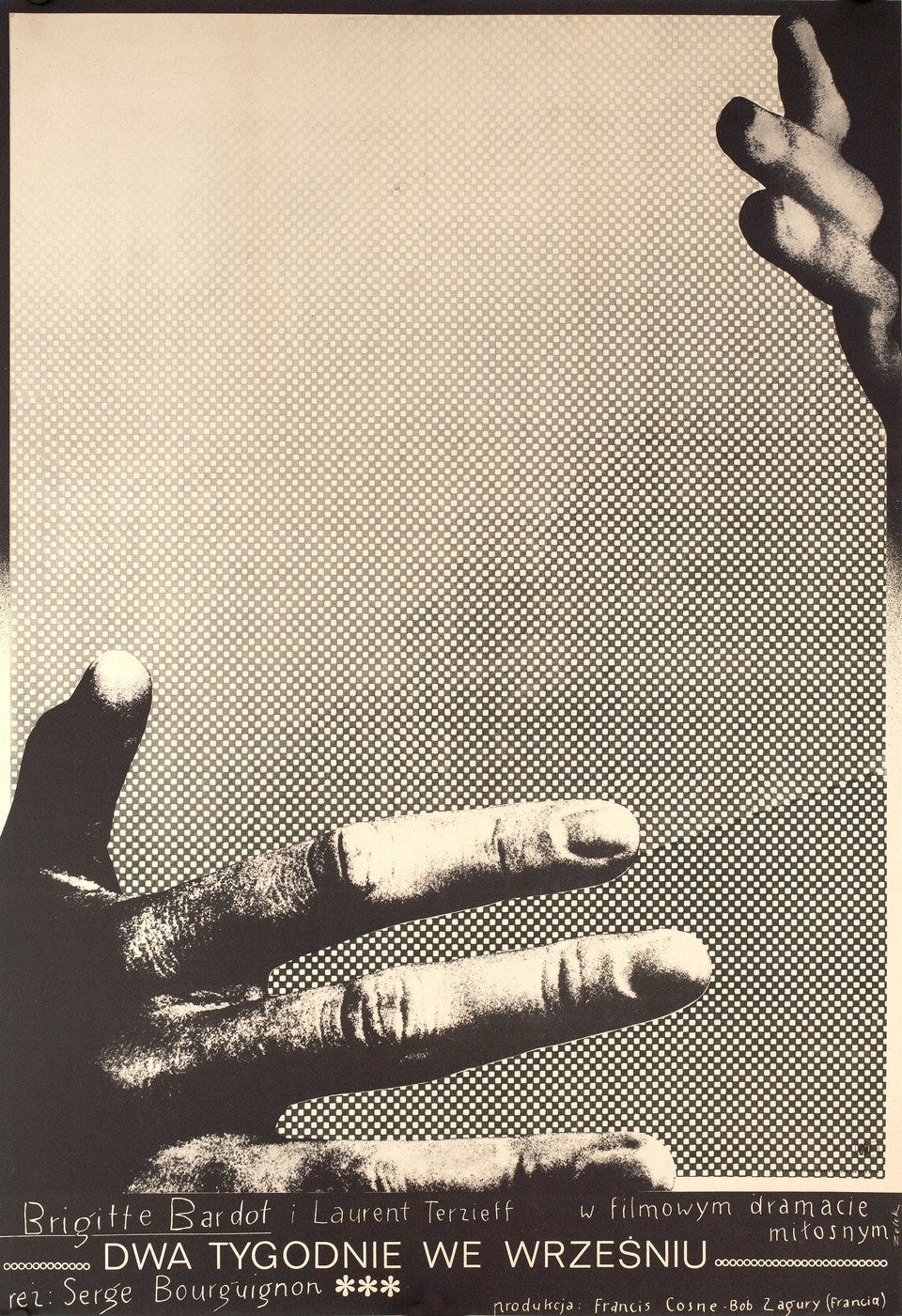
So the next time you see a movie poster that feels a little too polished, a little too predictable, remember that somewhere along the way Poland decided posters could be strange, symbolic, funny, unsettling and basically, actual art. Hopefully this little tour sparked some inspiration.
Great!