

= Edith Head
The woman who dressed Hollywood's illusions.

There are costume designers and then there is Edith Head: a woman who somehow turned a pair of severe black glasses into a symbol of Hollywood authority.
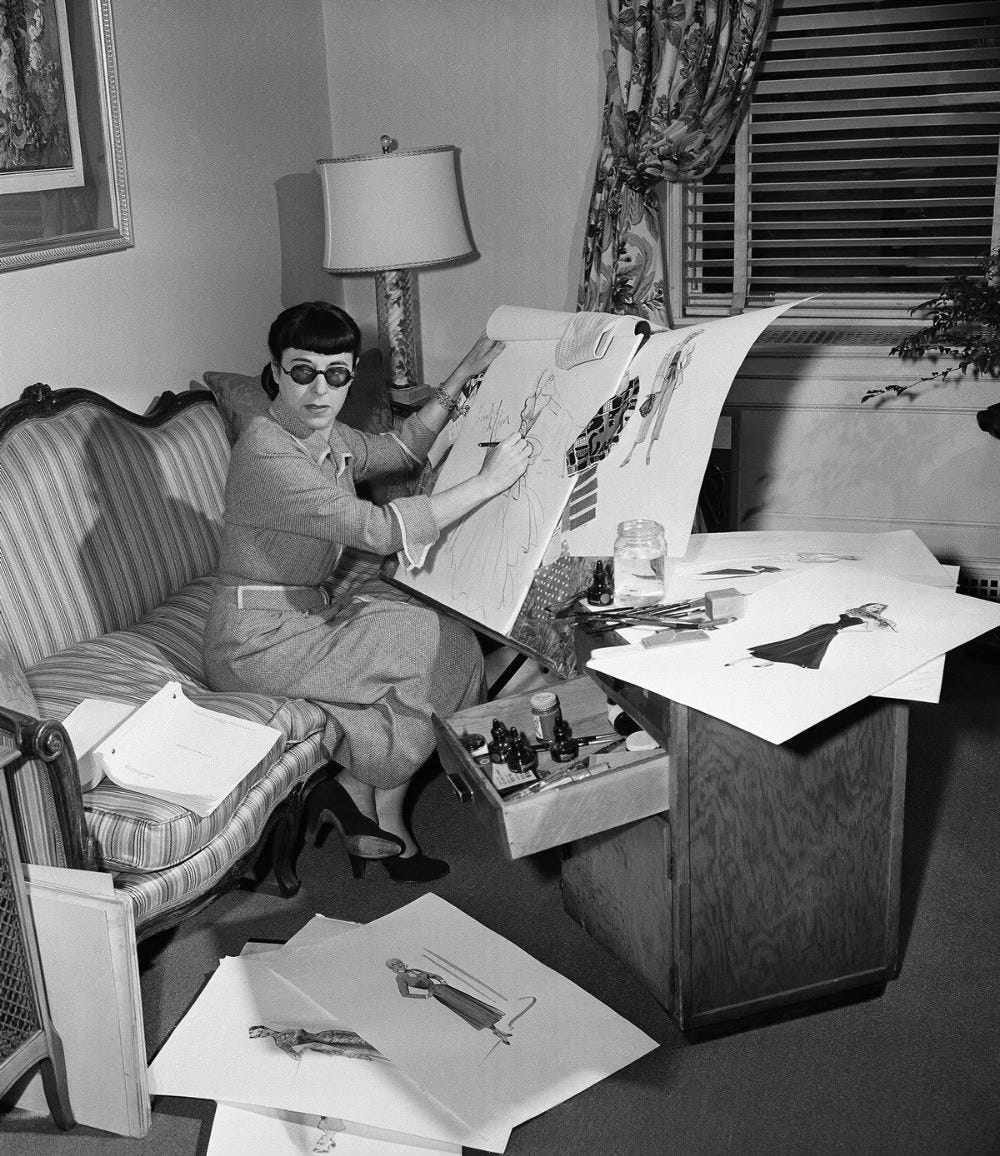
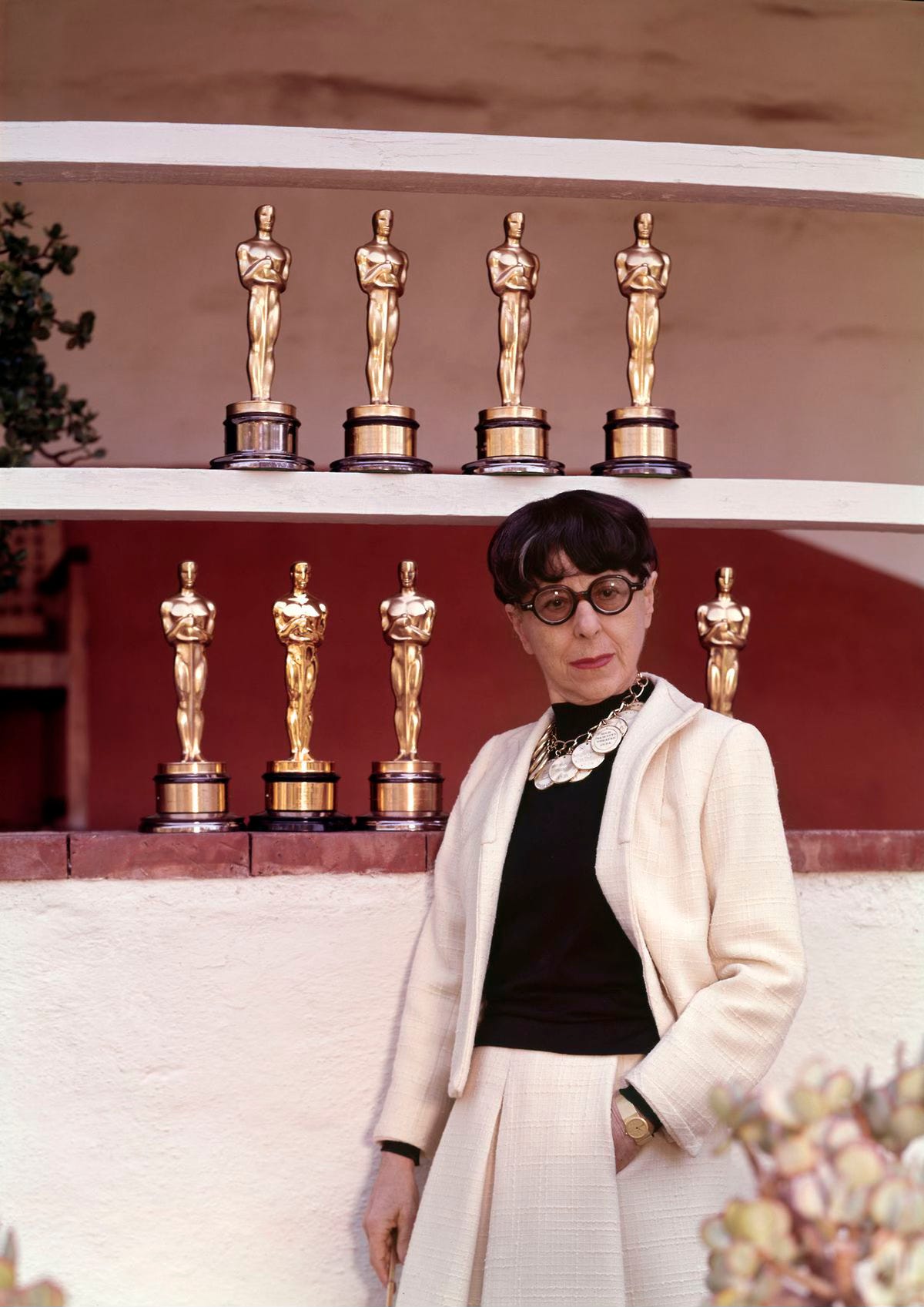
She remains, to this day, the most awarded costume designer in Academy Awards history, with 8 Oscars for Best Costume Design and an almost absurd 35 nominations! But what makes Edith Head fascinating is not simply the trophies. Hollywood has always loved trophies. Hollywood especially loves women who can quietly disappear into service roles while manufacturing entire fantasies behind the scenes. What makes Edith Head interesting is that she never really disappeared. She became part of the mythology herself. And naturally, this irritated people.
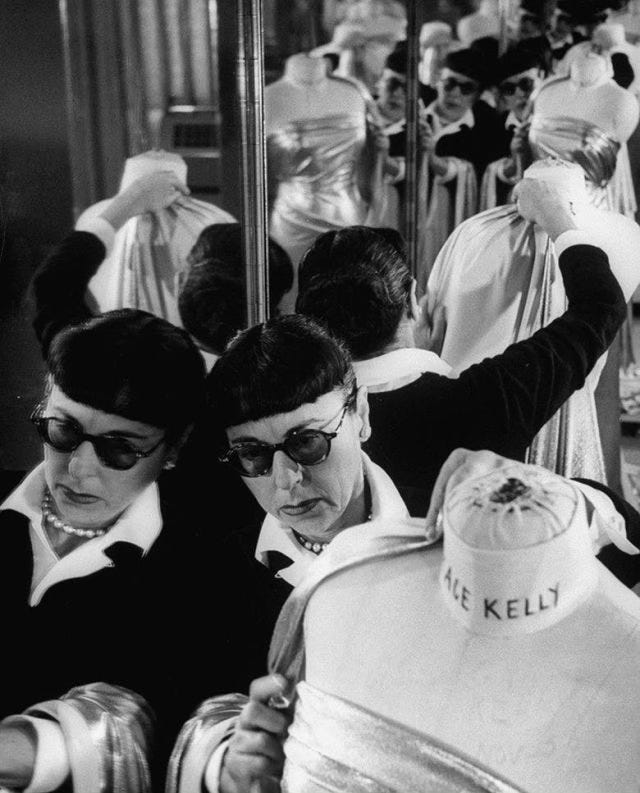
For decades, critics and detractors argued that Head’s real talent was not costume design but self-promotion. According to them, she mastered the performance of Edith Head more successfully than the craft itself. In an era when Hollywood costume departments were populated by rigorously trained fashion illustrators and designers (many of whom helped establish an emerging American fashion identity) Head entered the profession with almost no formal fashion training at all! Yet somehow, she outlived nearly everyone!
She survived the transition from silent films to sound, the collapse of the studio system, the changing aesthetics of postwar cinema, and eventually the rise of New Hollywood. While other legendary designers became frozen inside a particular glamorous decade, Edith adapted. Again and again. Which, frankly, is its own kind of genius.
THE SLIGHTLY SCANDALOUS BEGINNING
The origin story is almost too good to be true.
Before Edith Head became Edith Head, she was a language teacher with a Master’s degree in Romance Languages from Stanford. Not exactly the obvious path toward dressing Kim Novak in icy Hitchcockian perfection! She taught French by day at “The Hollywood School for Girls” until administrators, noticing she was competent and dependable, casually asked whether she could also teach art classes. Small problem: she was not actually an artist. Still, in true ambitious-woman fashion, she simply said yes.
So Edith spent her days teaching art and her nights secretly attending art classes herself, trying to stay one step ahead of her students. But teaching paid terribly and Hollywood was right there, glowing seductively nearby like a giant illuminated promise. So she decided she would become a costume designer.
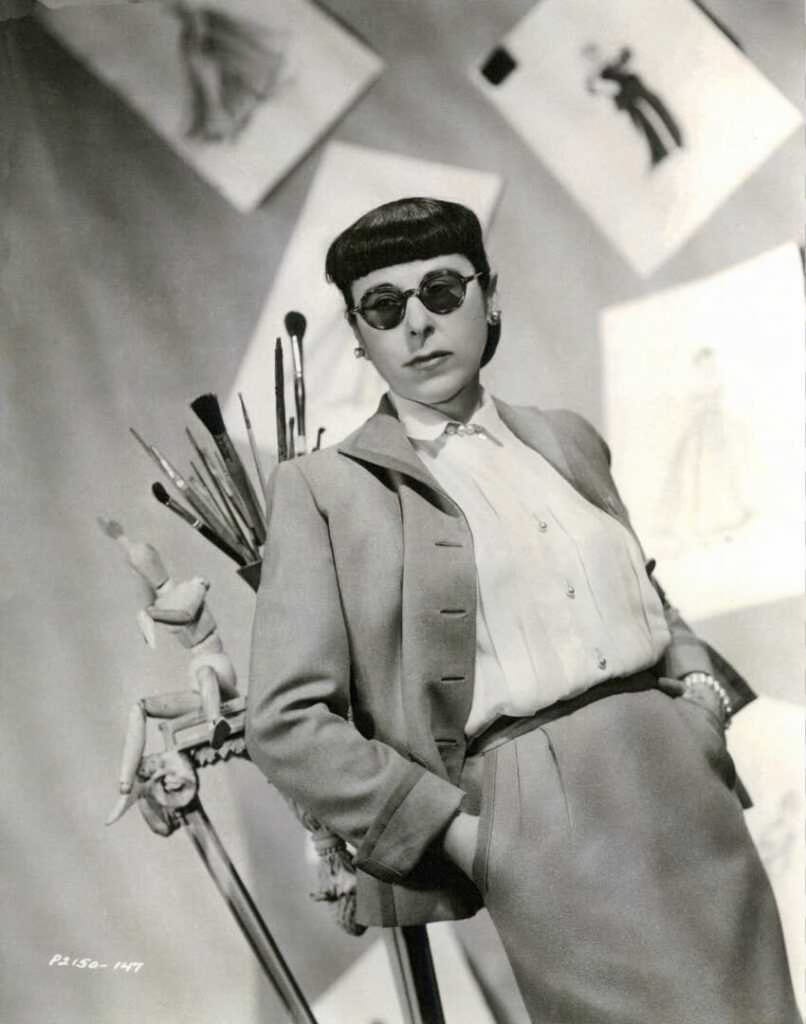
The way she entered Paramount lore is still delightfully controversial. In 1923, despite having little professional design experience, the twenty-six-year-old Edith managed to secure an interview as a costume sketch artist at Famous Players–Lasky, the studio that would later become Paramount Pictures! For the interview, she assembled a portfolio partly made up of sketches borrowed from fellow art students. Years later, she openly admitted it. “I borrowed sketches, I didn’t steal them,” she insisted. “I asked everybody in the class for a few costume design sketches.”
Honestly? This may be the single most Hollywood origin story imaginable. Not talent alone. Not connections alone. Not even fraud exactly. Just audacity.
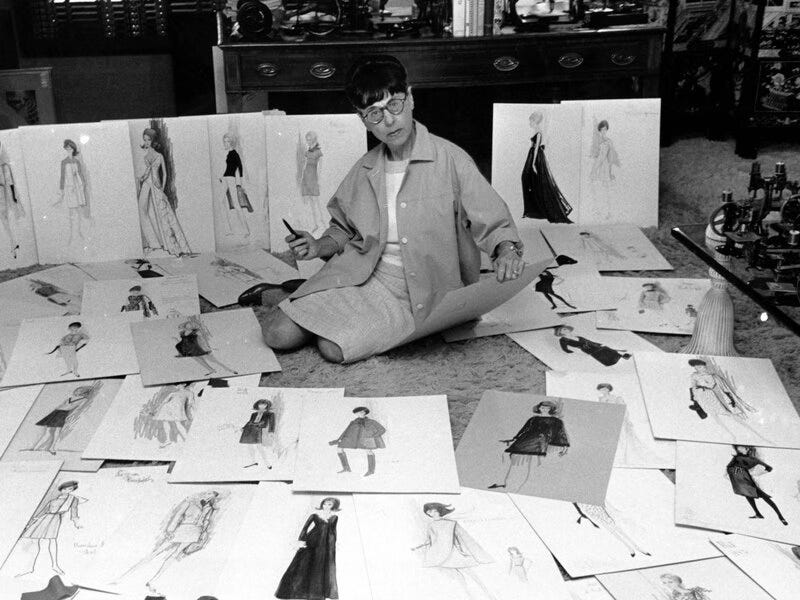
And once she got inside the studio system, she proved she deserved to stay there. At Paramount she trained under legendary designers Howard Greer and Travis Banton, both masters of Old Hollywood glamour. Edith later described how generously they mentored her, allowing her into fittings and teaching her through observation rather than intimidation. It became the education she never formally had. And perhaps that outsider status ultimately became her advantage. Because Edith Head did not worship fashion in the same way many designers did. She worshipped character.
SHE DESIGNED WOMEN, NOT DRESSES
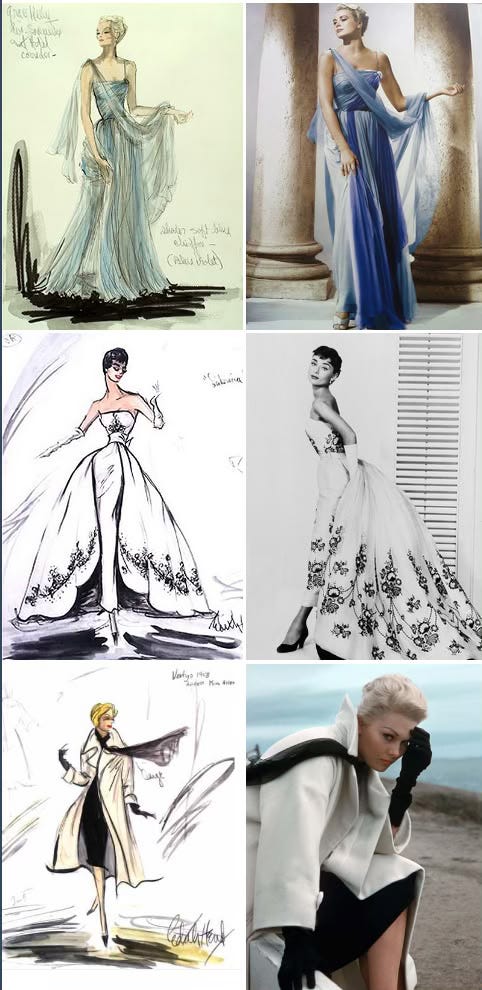
This is where Edith Head fundamentally differed from many of her contemporaries. At the time, costume designers often imposed their own aesthetic onto actresses. Their visual signatures became recognisable across films regardless of who the character was supposed to be. Head approached things differently. She believed clothing existed to serve narrative. Not the ego of the designer. Not even beauty itself.
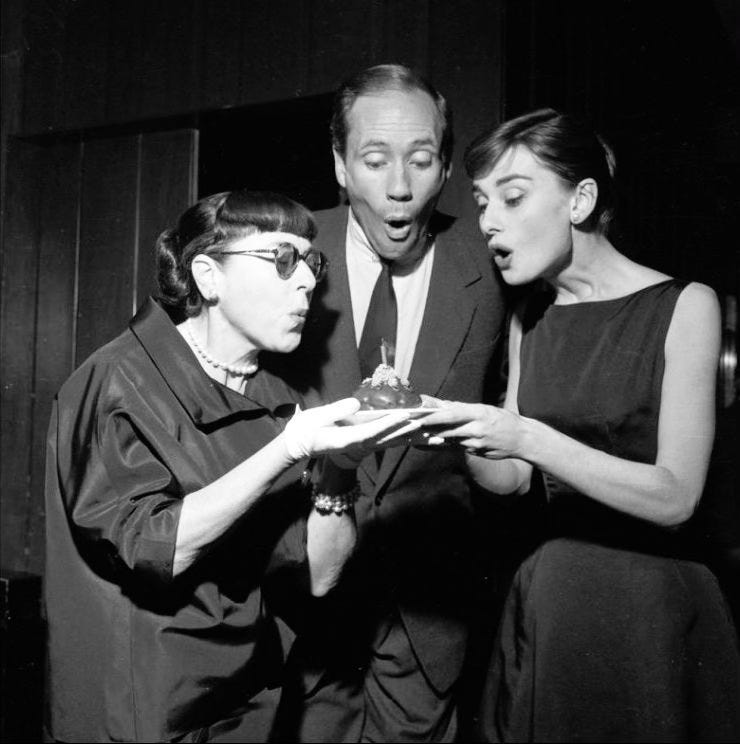
A woman in a Hitchcock film should look controlled, dangerous, restrained, or psychologically fractured depending on what the story required. A socialite should move differently from a secretary. A princess should not dress like a bored suburban wife. A woman in emotional collapse should not look editorial. To Edith, costume design was storytelling. Which is probably why her work still feels modern.
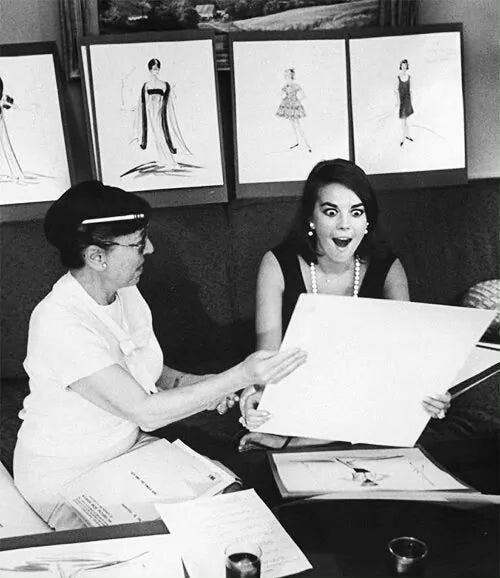
She herself said: “Costume design is to tell a story. It has nothing to do with fashion.” That sentence alone feels almost radical now. Especially in an era where cinema sometimes resembles an expensive influencer campaign.
THE FILMS
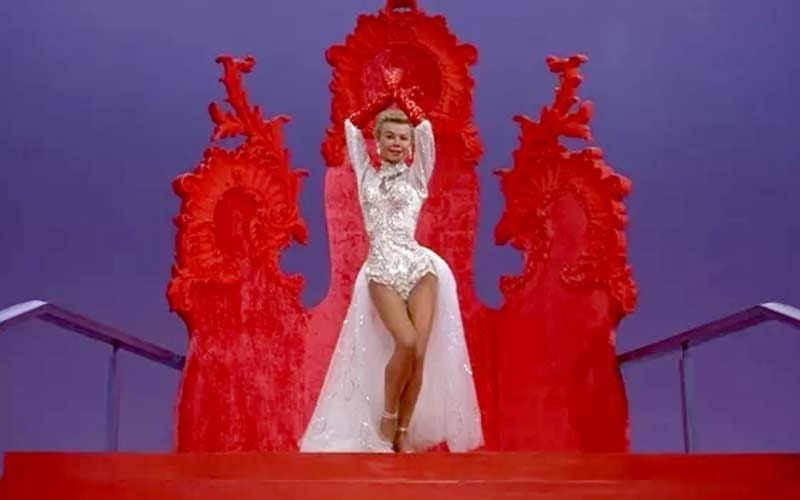
The list of classics attached to Edith Head is almost ridiculous. All About Eve. Sunset Boulevard. Rear Window. Sabrina. Funny Face. A Place in the Sun. The Ten Commandments. More than four hundred films across a fifty-year career.
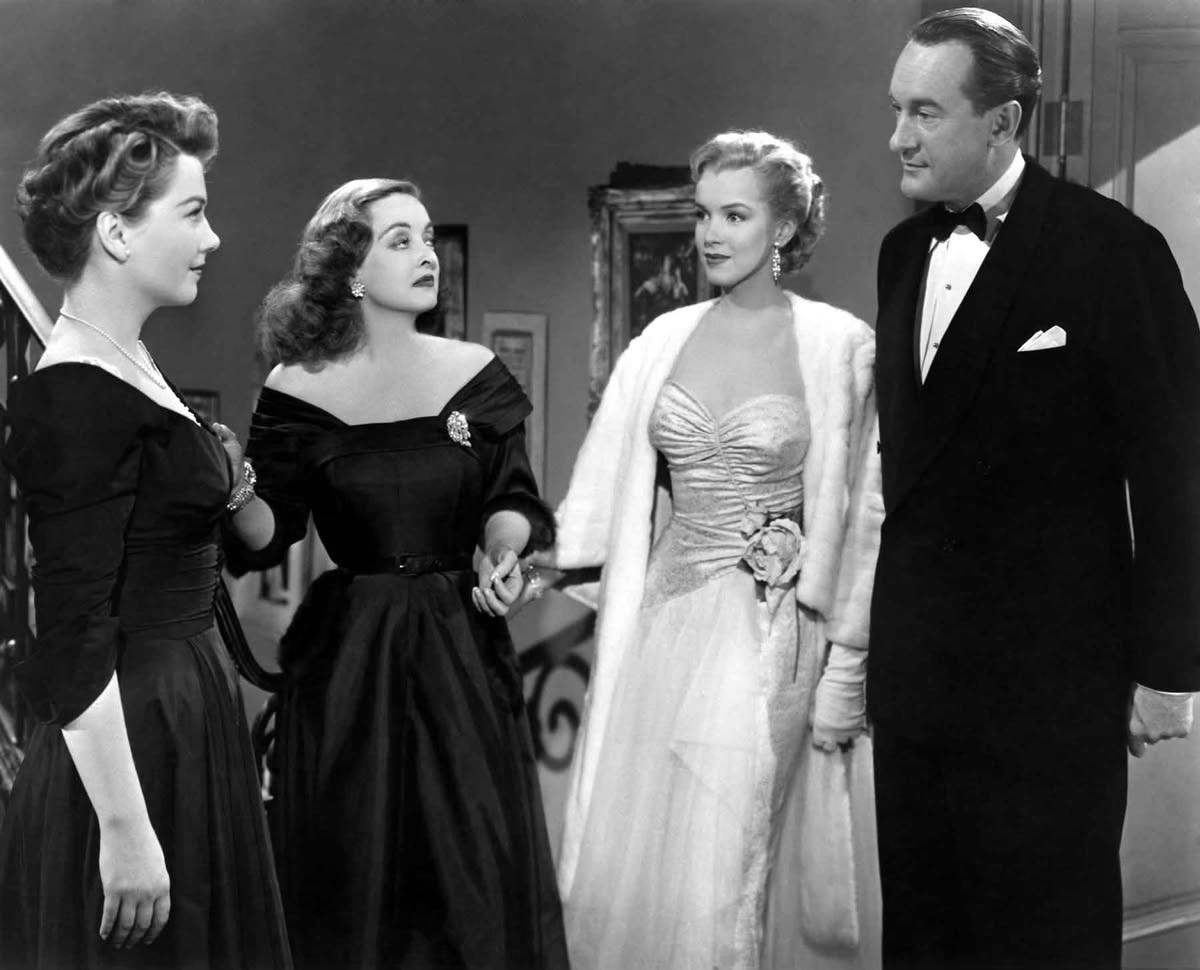
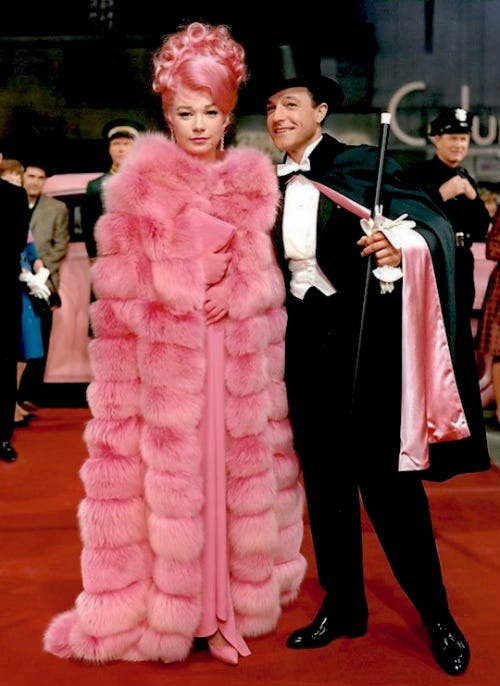
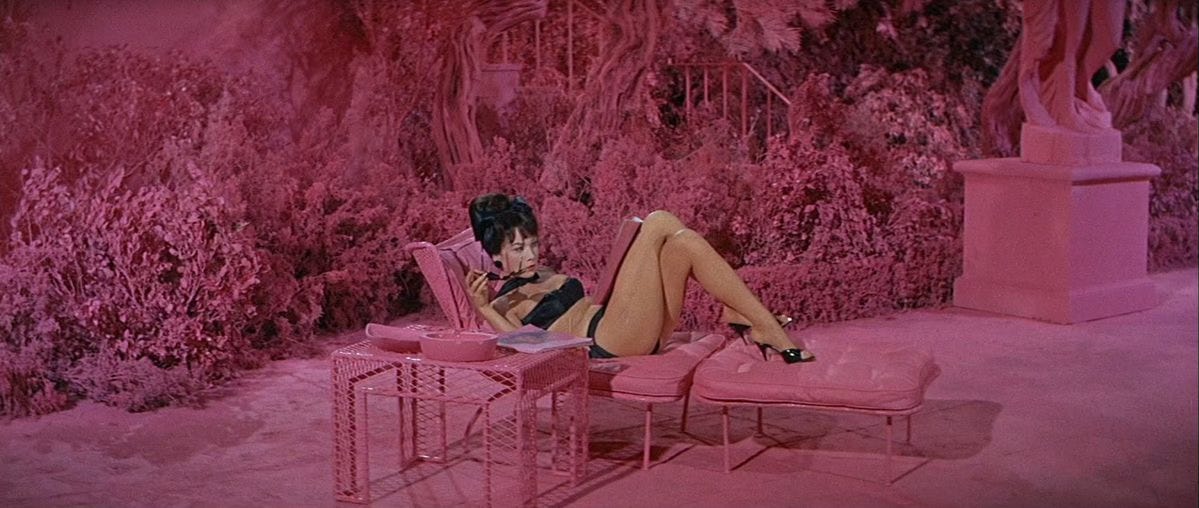
She dressed Audrey Hepburn, Grace Kelly, Elizabeth Taylor, Rita Hayworth, Ginger Rogers, Barbara Stanwyck, Bette Davis, Shirley MacLaine, Kim Novak, and practically every woman who ever leaned dramatically against a staircase in black-and-white cinema.
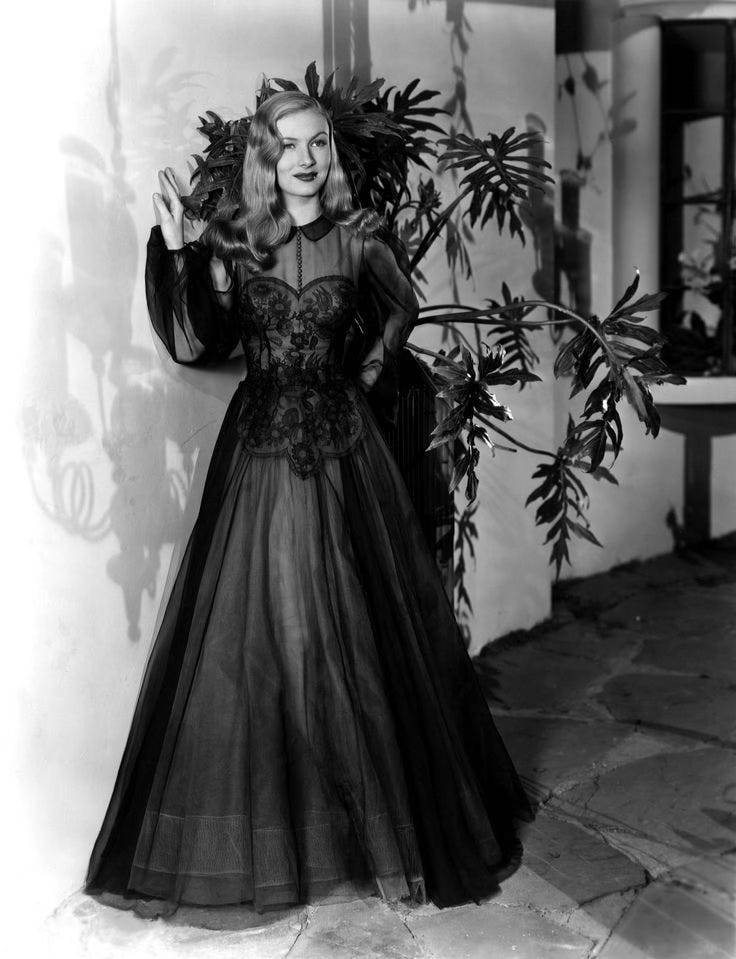
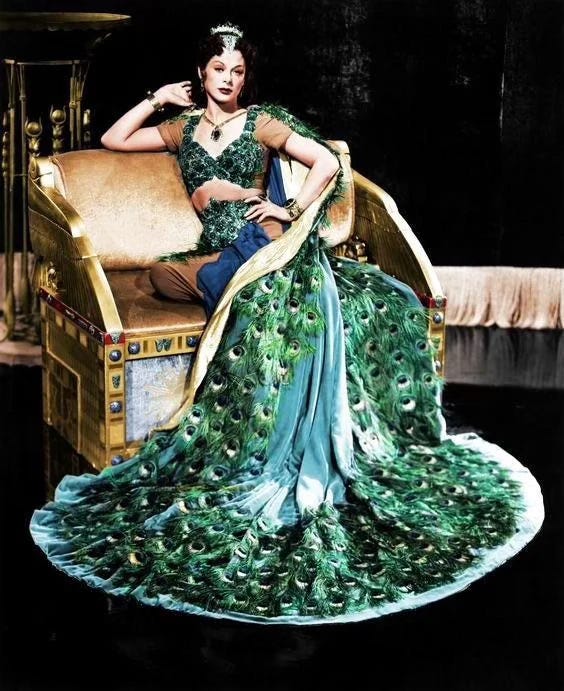
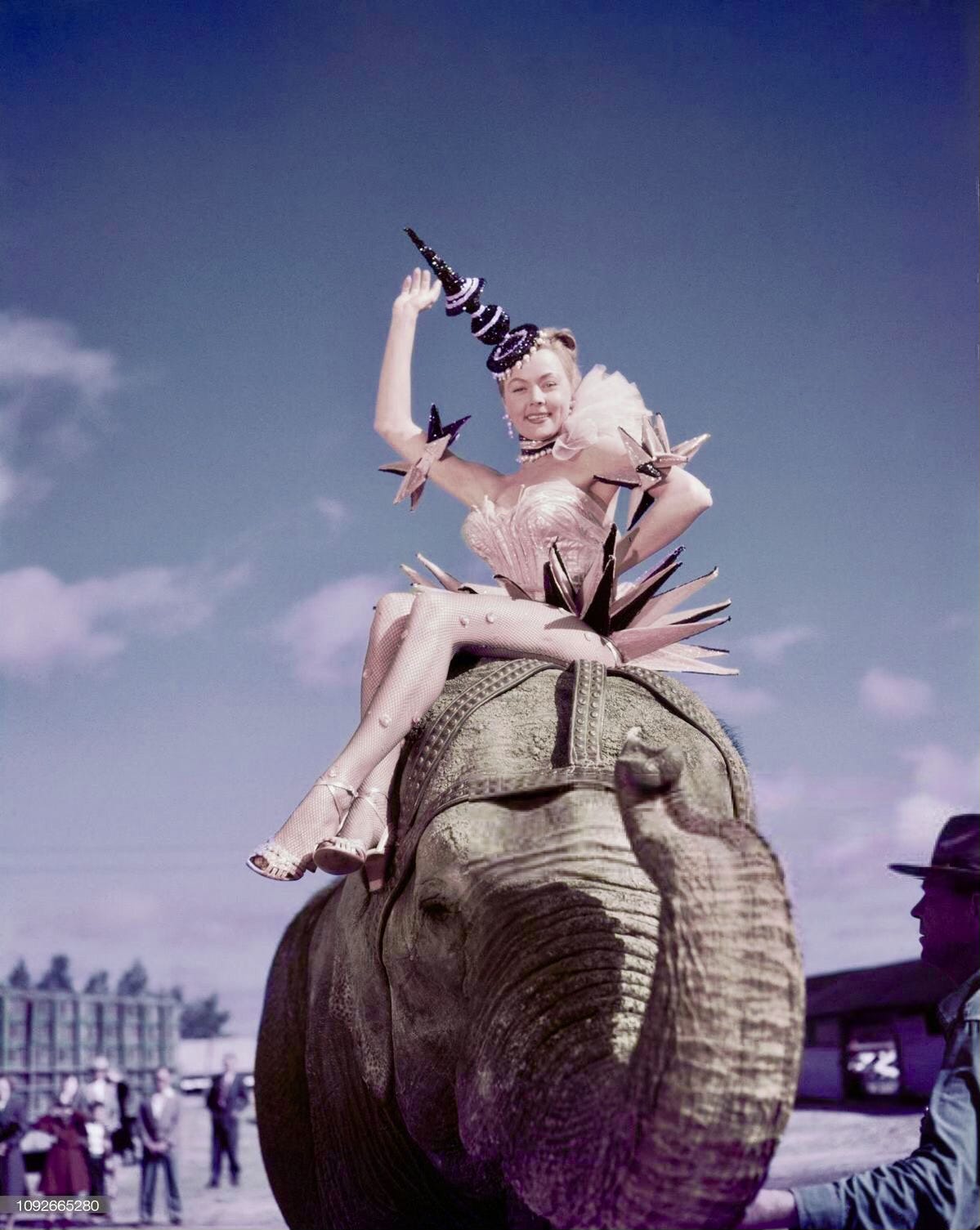


“From then on I had Edith Head’s name written into every contract, no matter what studio I was working for.”
– Barbara Stanwyck
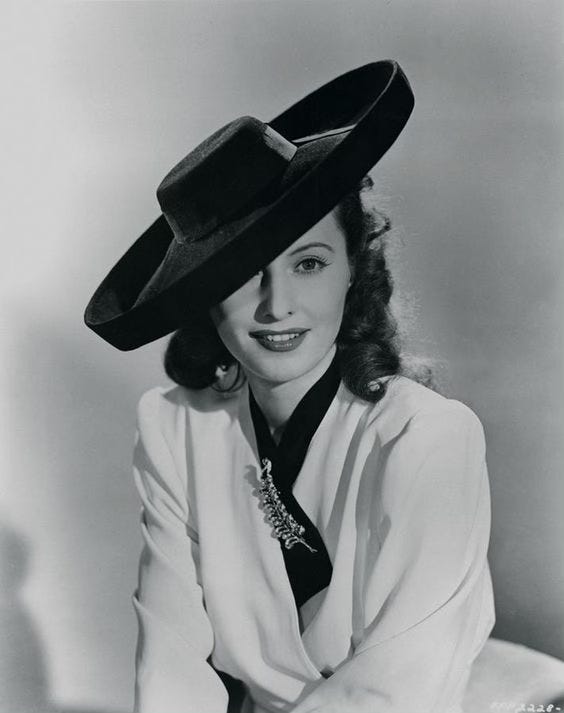
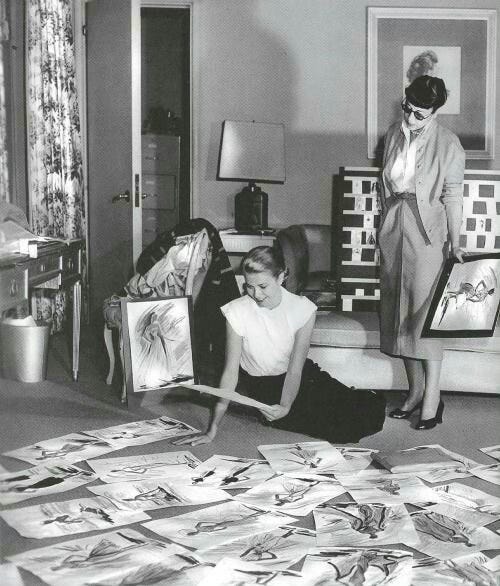
Unlike many of her male contemporaries, Head consulted extensively with actresses. She listened to them. Collaborated with them. Adjusted silhouettes to suit their personalities and insecurities. This made her beloved among stars. She understood that costume design was psychological. A dress could change posture. A neckline could create confidence. A silhouette could transform the rhythm of movement. Olivia de Havilland once said that simply putting on Edith’s costumes helped her understand her characters instantly.
HITCHCOCK, RESTRAINT, AND CONTROLLED GLAMOUR
Her relationship with Alfred Hitchcock deserves its own chapter.
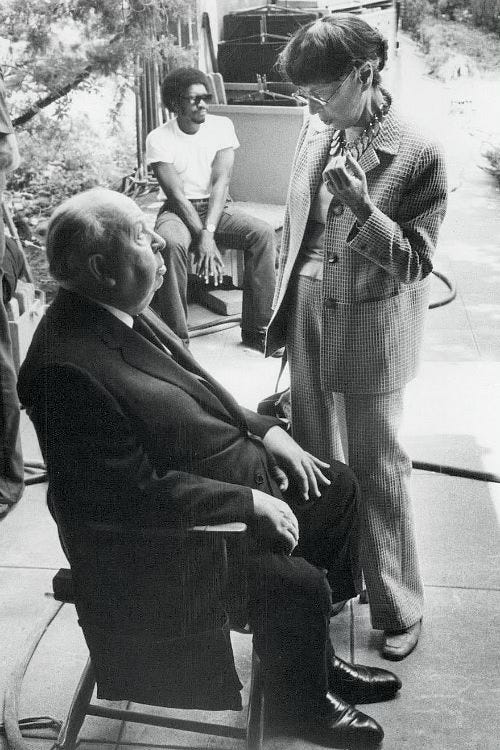
The two first collaborated on Notorious in 1946, when Ingrid Bergman specifically requested Edith Head. It was an ideal pairing. Hitchcock disliked costumes that screamed for attention. He wanted clothing to operate psychologically and almost invisibly within the frame. Edith understood this instinctively.
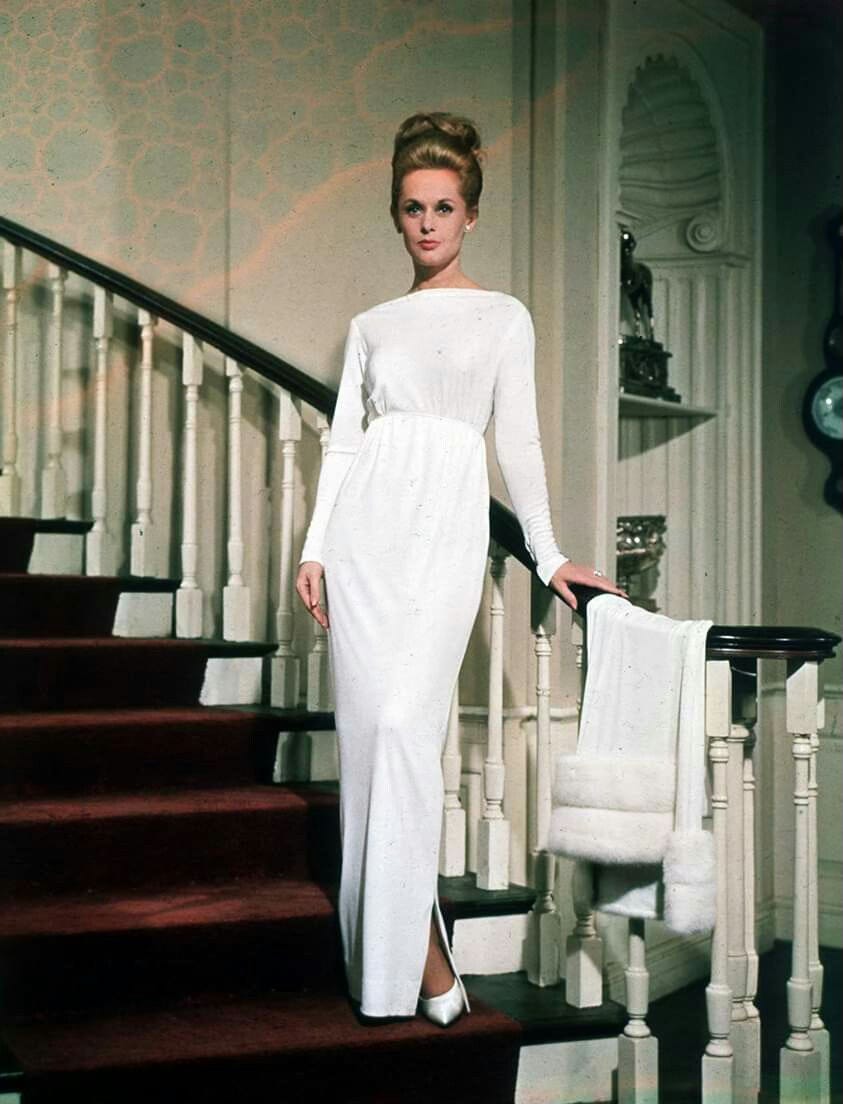
The costumes she created for Hitchcock heroines were elegant but restrained, glamorous yet controlled, often communicating emotional tension through precision rather than excess. No unnecessary spectacle, just tension.
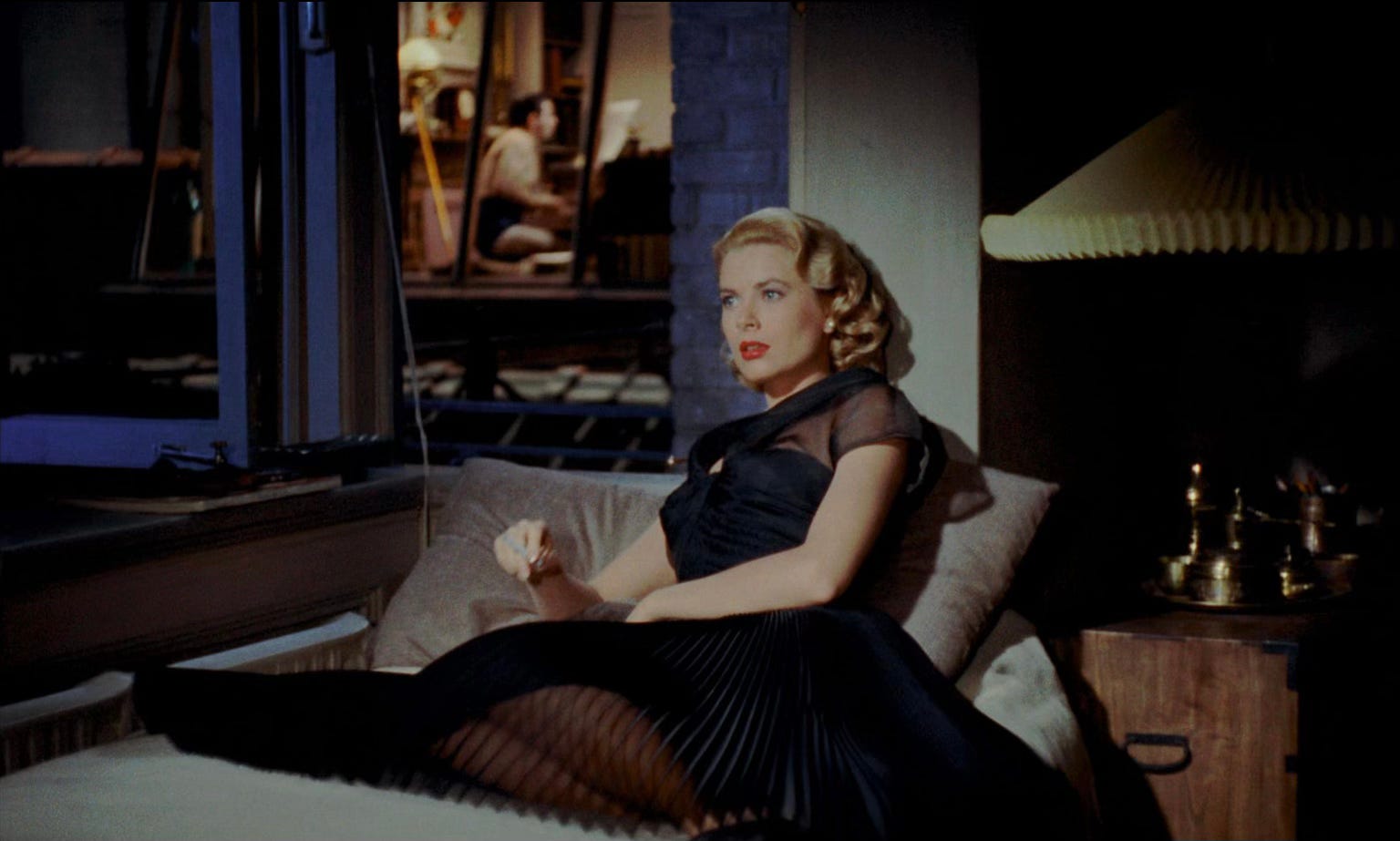
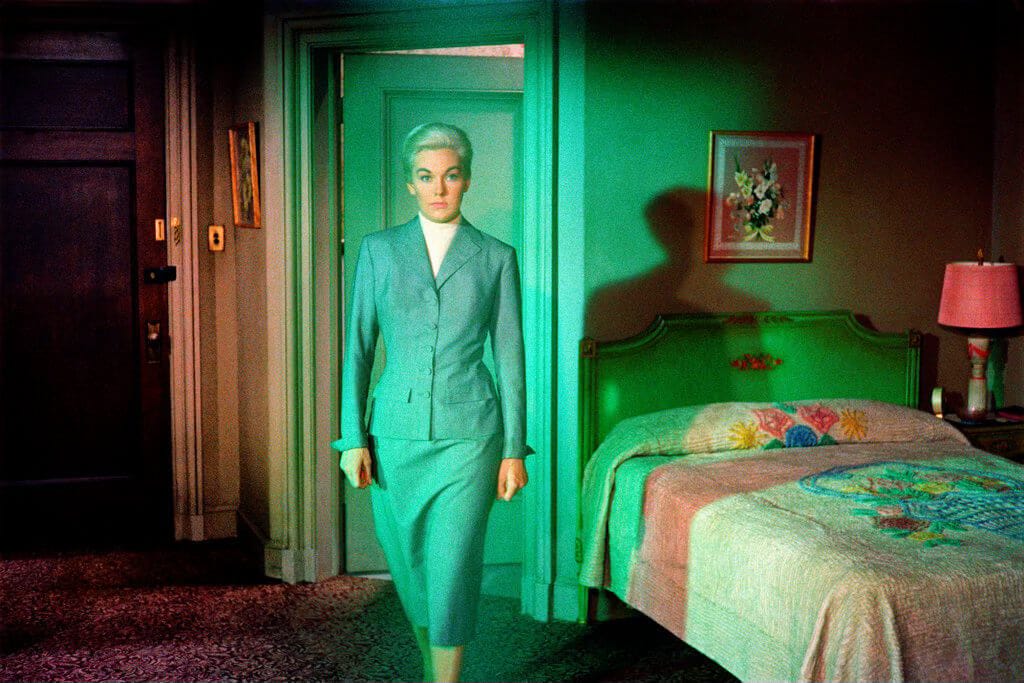
Which, if you think about it, is also how Hitchcock filmed women. The icy perfection of Grace Kelly in Rear Window. The haunting sophistication of Kim Novak in Vertigo.
The polished blonde armor of Tippi Hedren. Edith Head understood that elegance can sometimes function as a prison. And Hitchcock loved that!
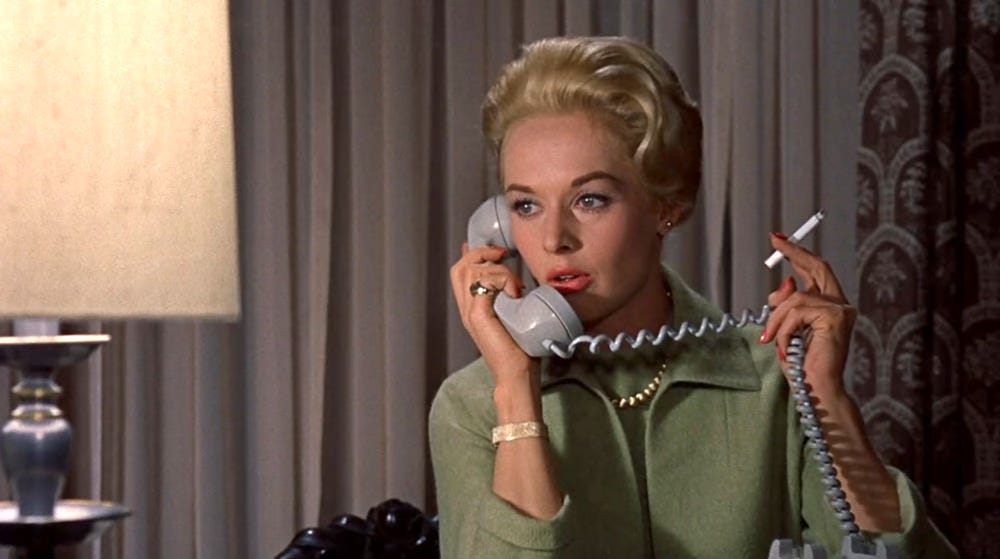
THE EDITH HEAD UNIFORM
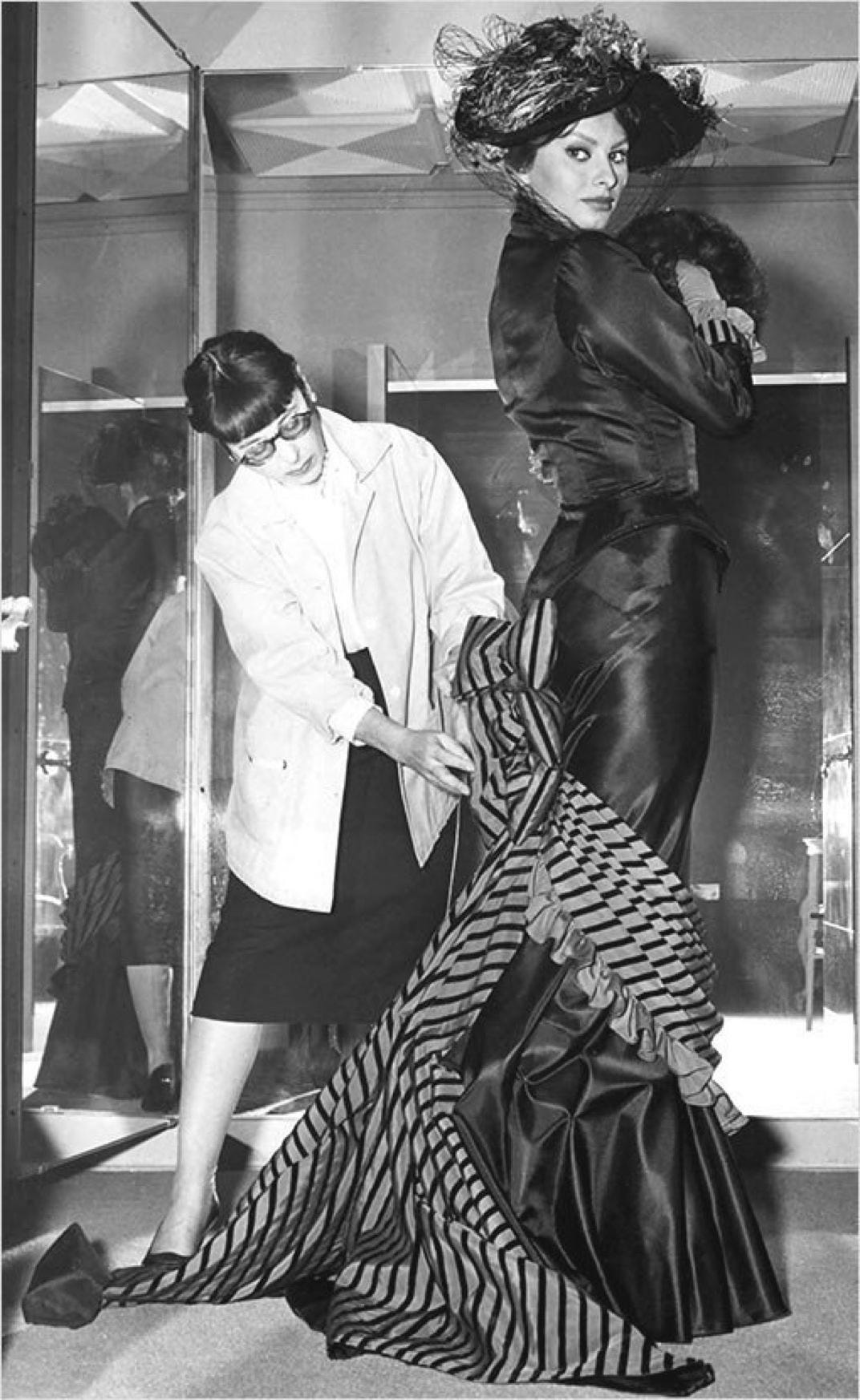
Ironically, the woman responsible for dressing Hollywood fantasy dressed herself with almost startling practicality. She famously preferred only four colors: black, white, beige, and brown. While actresses floated around in satin gowns and impossible silhouettes, Edith herself appeared in conservative suits, sensible shoes, and her now-iconic thick-framed glasses.
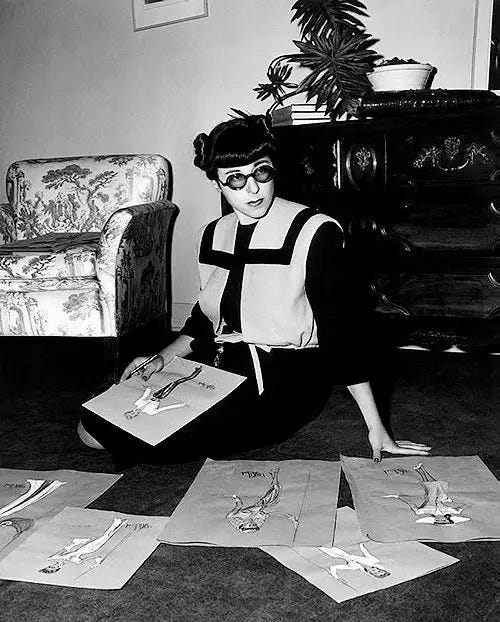
She almost looked like a strict librarian accidentally trapped inside Paramount Studios, which made her strangely unforgettable. There is something deeply chic about women who become visually iconic without appearing to try.
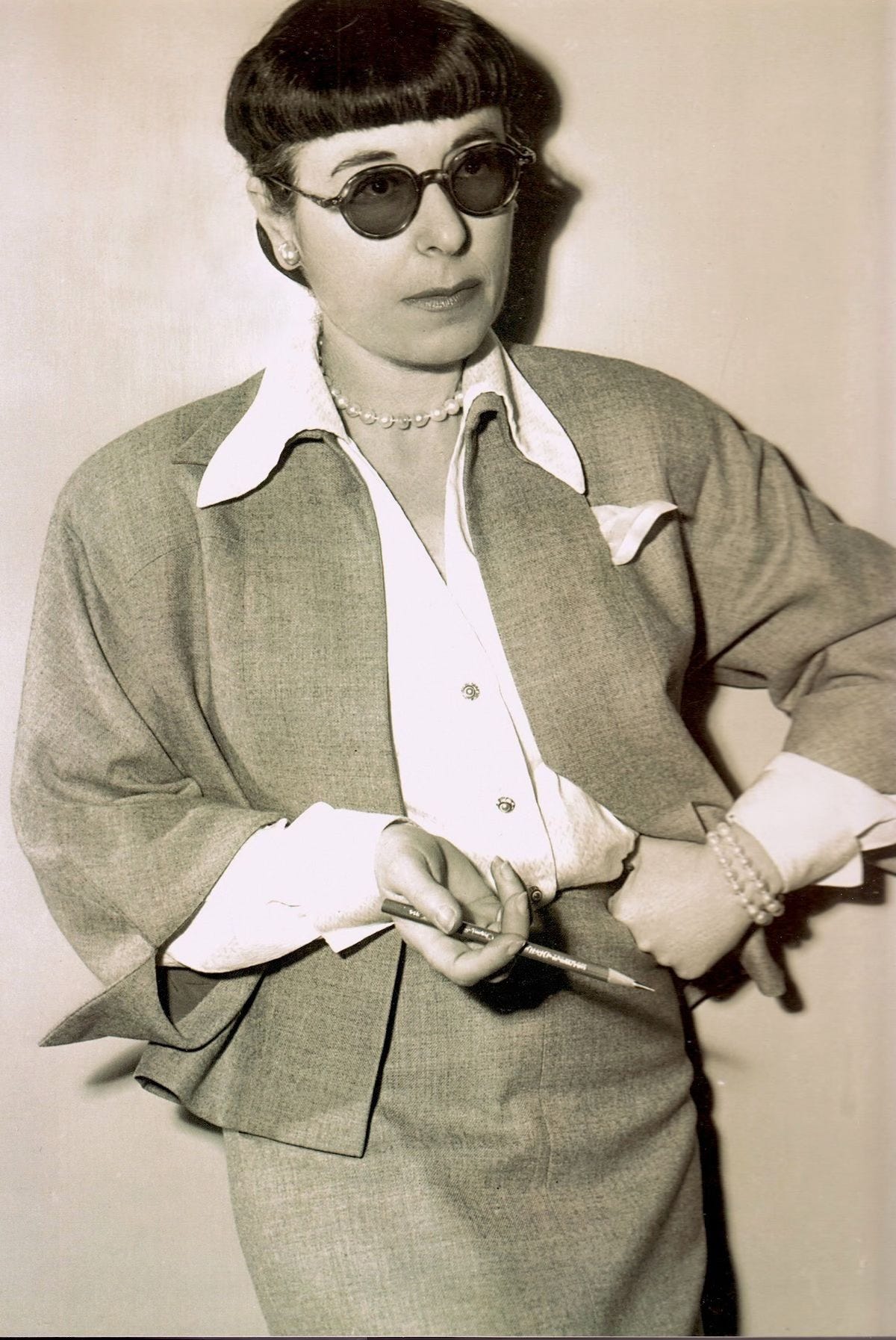
Her appearance later inspired Edna Mode from The Incredibles, although Edith would probably have hated Edna’s dramatic capes.
THE CRITICISM
Of course, not everyone admired her. Some critics argued her designs lacked historical accuracy. Others believed more technically gifted designers around her never received equal recognition because Edith was simply better at navigating Hollywood politics. And honestly, both things can partially be true. But the obsession with “accuracy” sometimes misses the point entirely. Edith Head was not trying to recreate museum displays. She was trying to create cinematic memory.
When accused of historical inaccuracy, she reportedly responded that she was “not a historian.” Which feels like the perfect Edith Head answer. Blunt. Practical. Slightly dismissive and very Hollywood.
WHY SHE STILL MATTERS
What fascinates us most about Edith Head is that she did not emerge from some mythical fantasy of effortless genius. She learned publicly. She improvised. She borrowed. She observed. She adapted. And then she built one of the most legendary careers in Hollywood history. There is something strangely modern about her. Not in the aesthetics necessarily, although many still feel timeless. But in the strategy. She understood visibility. She understood branding. She understood collaboration. She understood psychology. And above all, she understood that clothes are never just clothes. Especially in cinema.They are mood. They are aspiration. They are emotional camouflage. They are fantasy.
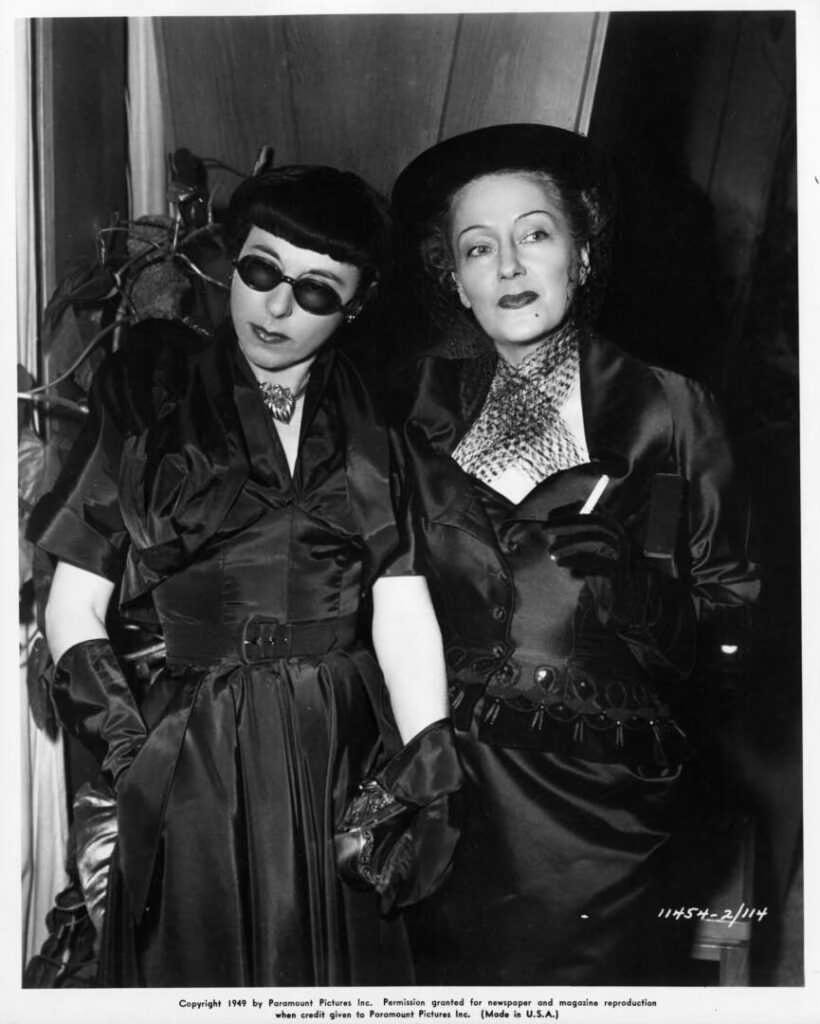
Which is probably why Edith Head still lingers everywhere. Not just in old Hollywood films but in the way fashion continues to sell us characters one hopes they might become.