

= THE BLITZ KIDS
A brief, brilliant night that rewired style

Behind a discreet door on a Covent Garden side street - the kind you’d only dare push open if you were feeling dangerous, divine, or both - the Blitz club rewrote the rules of style in 18 short, incandescent months. It was less a venue and more a portal: step inside and you entered a world built from Bowie, punk, soul, Fassbinder films, Weimar cabaret, and pure, unfiltered self-invention. For a generation of bright, restless creatives, Blitz wasn’t just a night out; it was the night everything began.
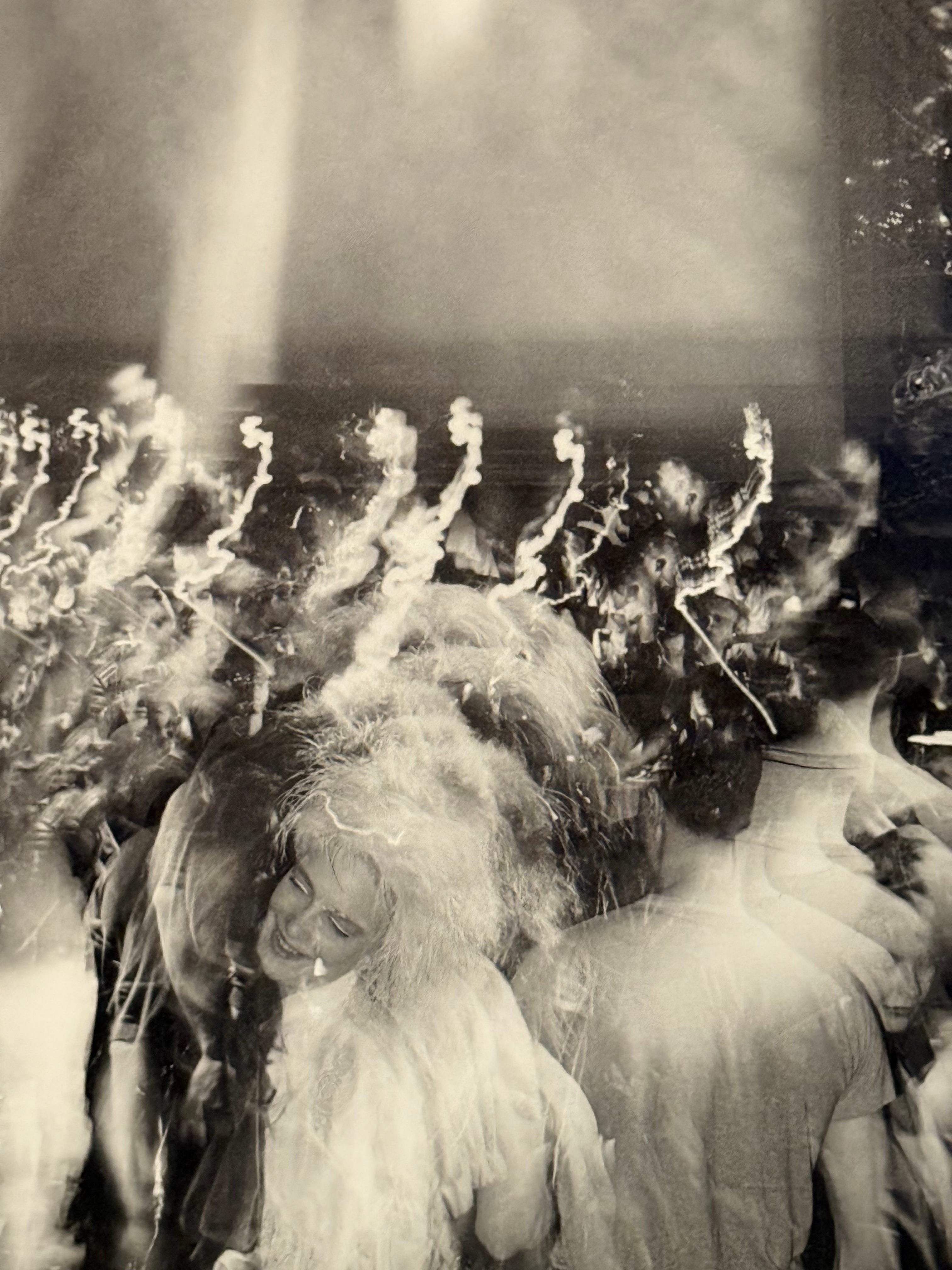
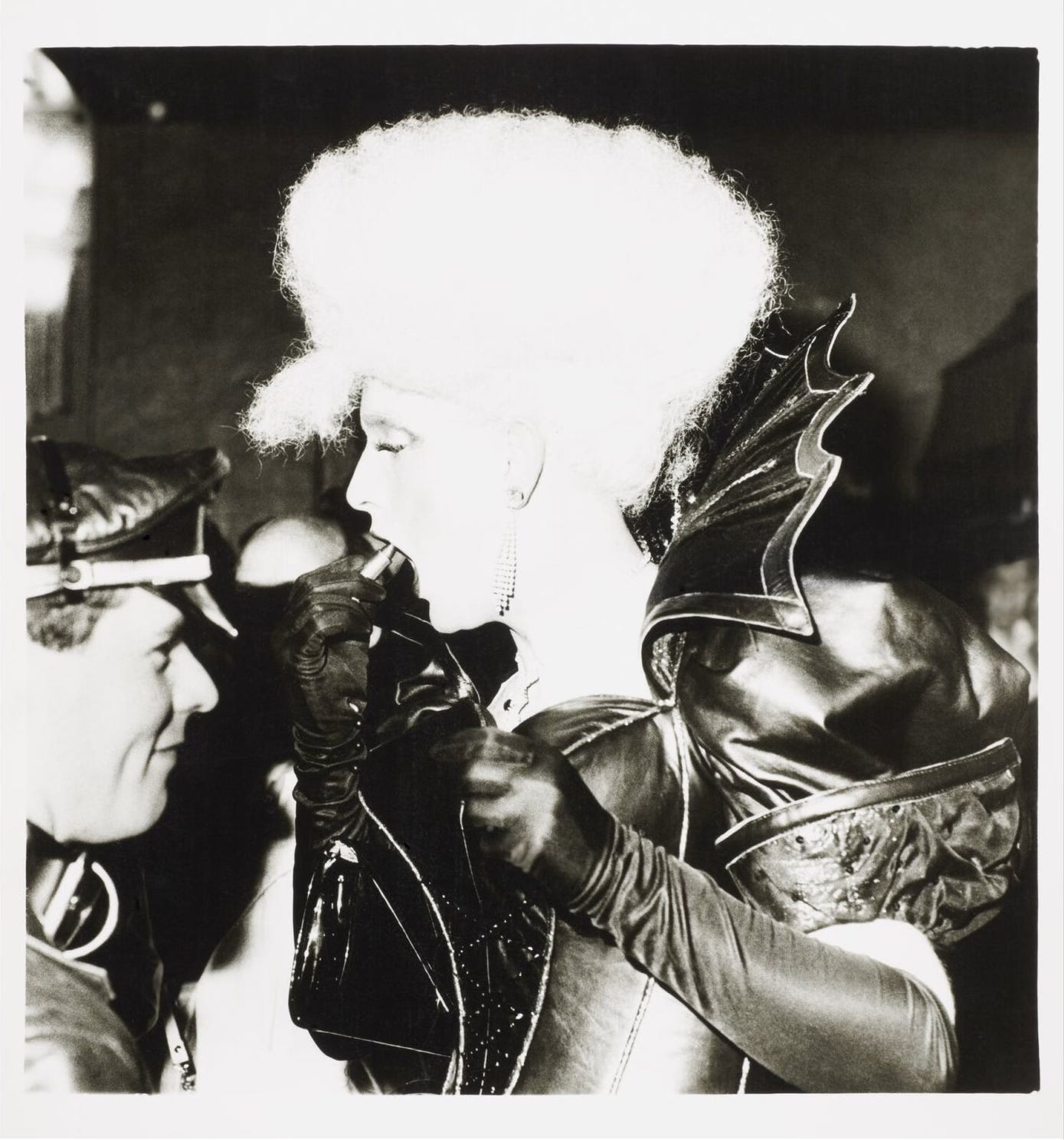
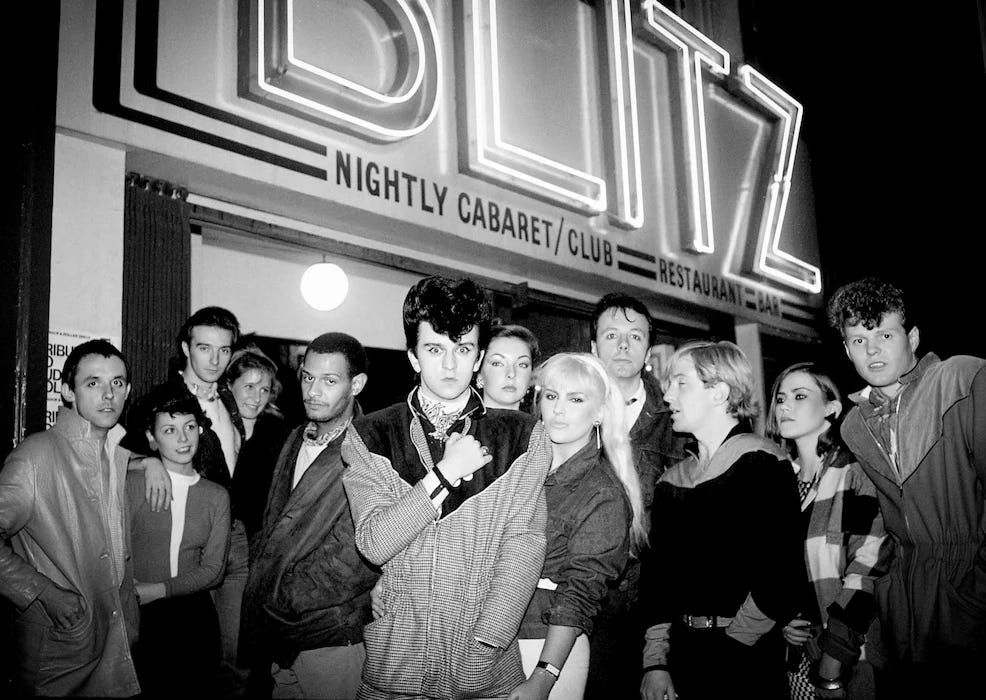
The Blitz Kids were the gravitational center of this world. They were the core group who gathered every Tuesday between 1979 and 1980 at a wartime-themed wine bar with a 200-person capacity, a space far too small for the cultural explosion it triggered. They’re credited with launching the New Romantic movement, but their influence is bigger than any subculture. They reshaped fashion, music, performance, attitude. They created a new way of being seen.
And they did it in eighteen months.
The Night That Created Stars
The alumni list reads like the first page of an ‘80s cultural encyclopedia: Spandau Ballet, Visage, Boy George, Marilyn. Designers like Stephen Jones and Michele Clapton. Writers and DJs like Princess Julia and Robert Elms. Filmmakers, stylists, provocateurs, future icons, all compressed into one feverish, glamorous ecosystem.
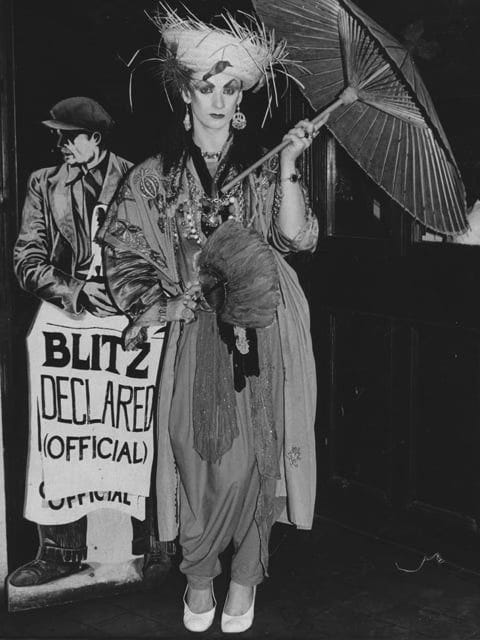
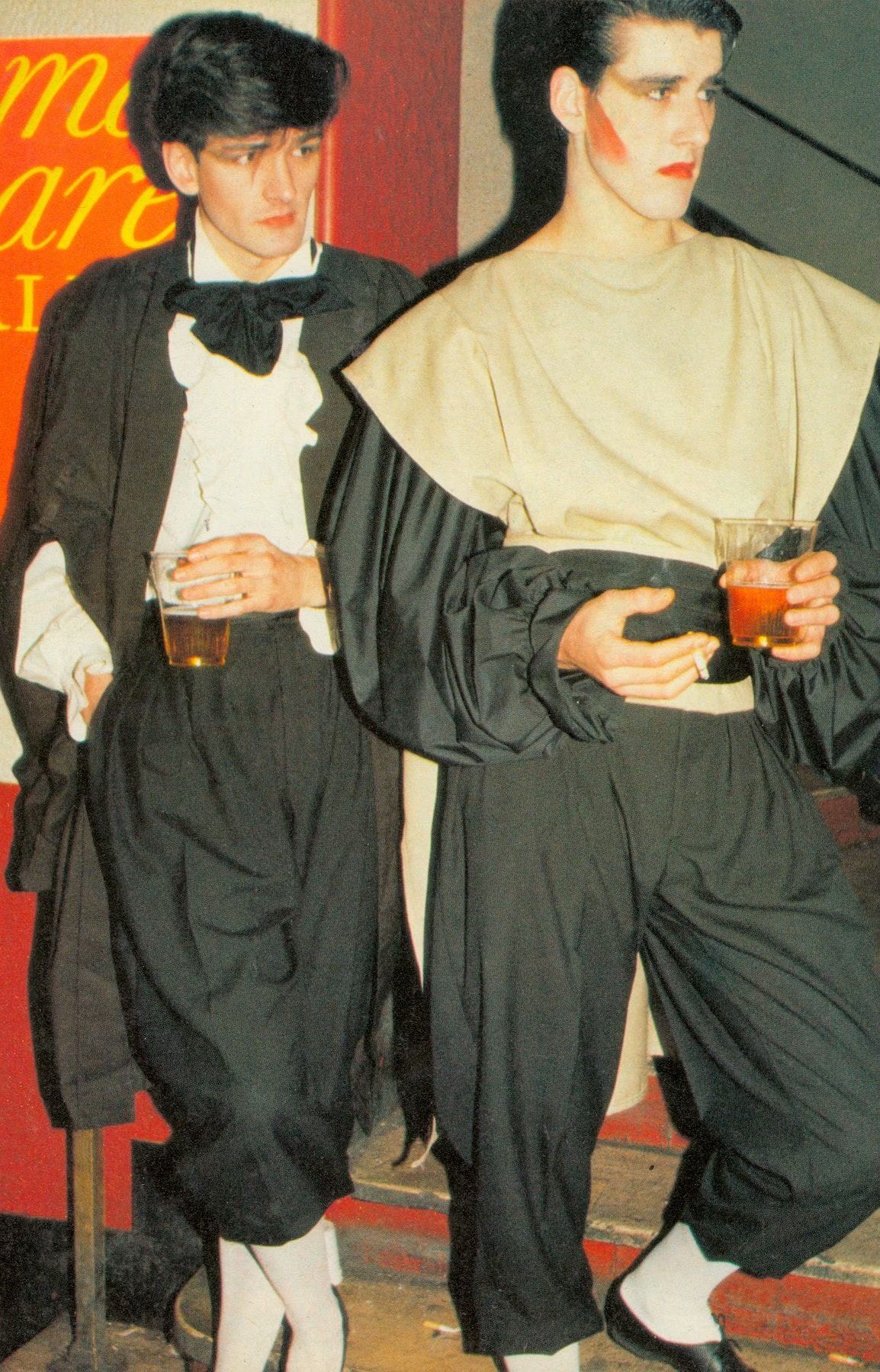
Blitz opened in February 1979 and closed in October 1980, but in that short window it became the place to be seen if you were young, creative, and hungry for transformation.
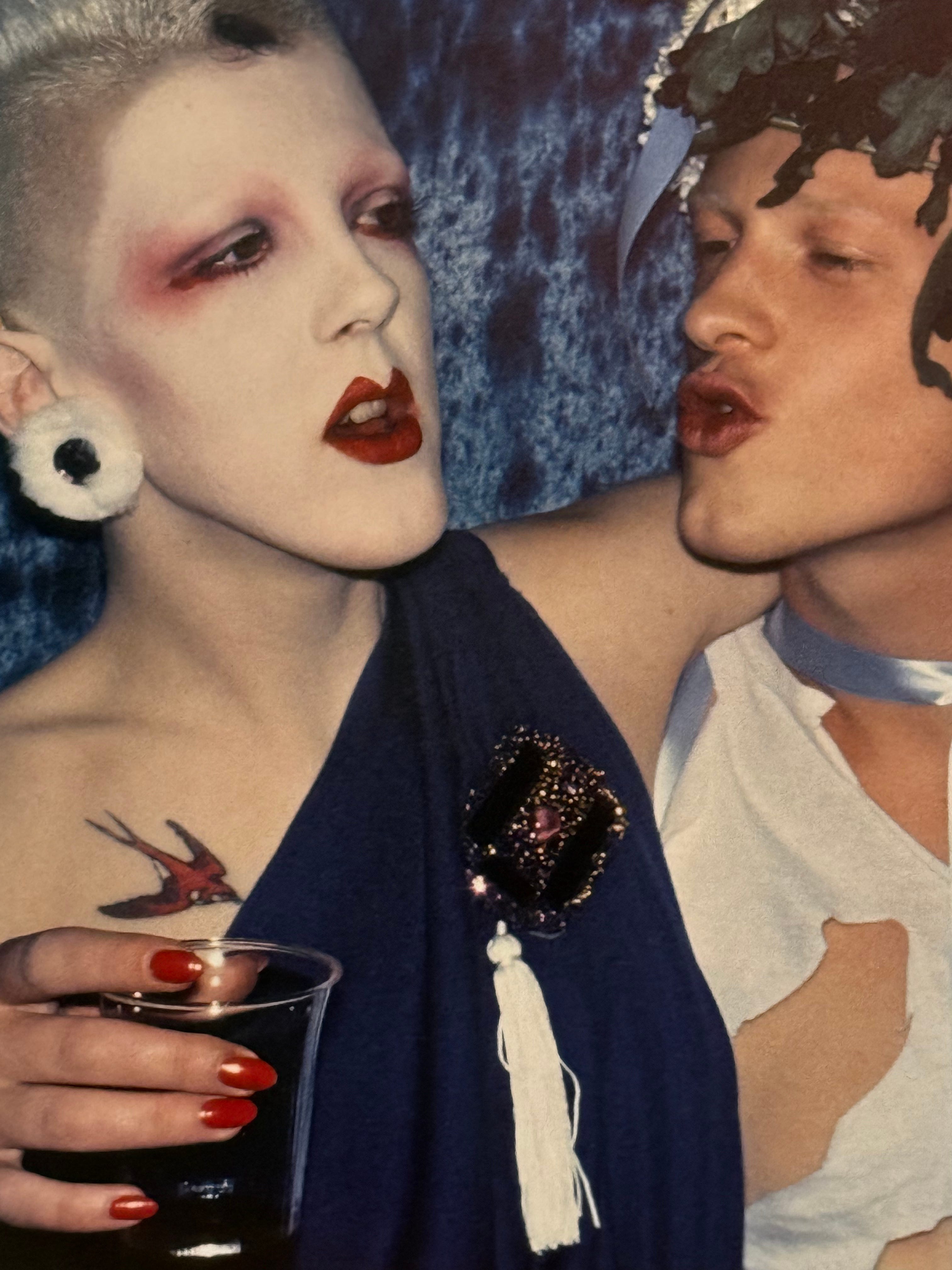
Rusty Egan handled the music; Steve Strange handled the door with the precision of a gallerist and the nerve of a diva. Entry wasn’t just selective, it was curated. If your makeup wasn’t convincing or your clothes weren’t art, you weren’t getting in.
Strange was known for holding up a mirror to people in line and asking,
“Would you let yourself in?”
Where The Ordinary Was Not Allowed
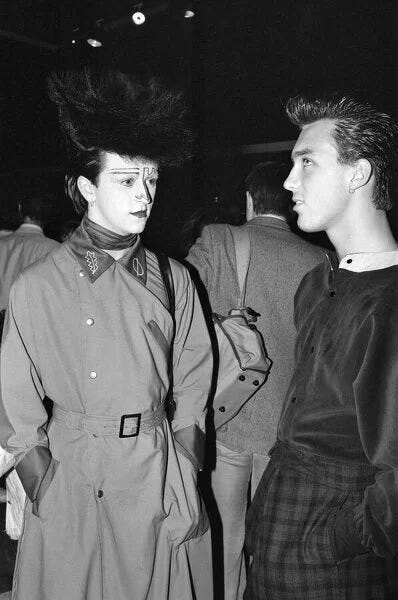
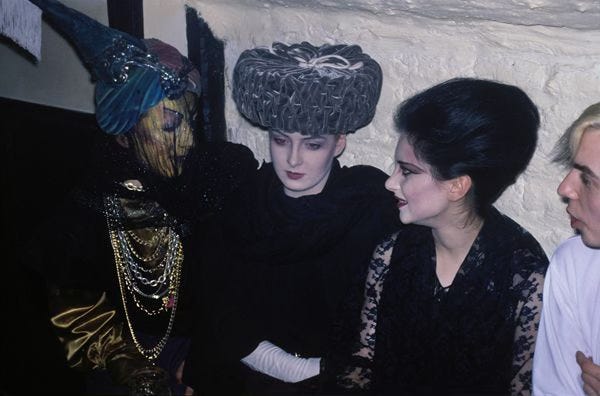
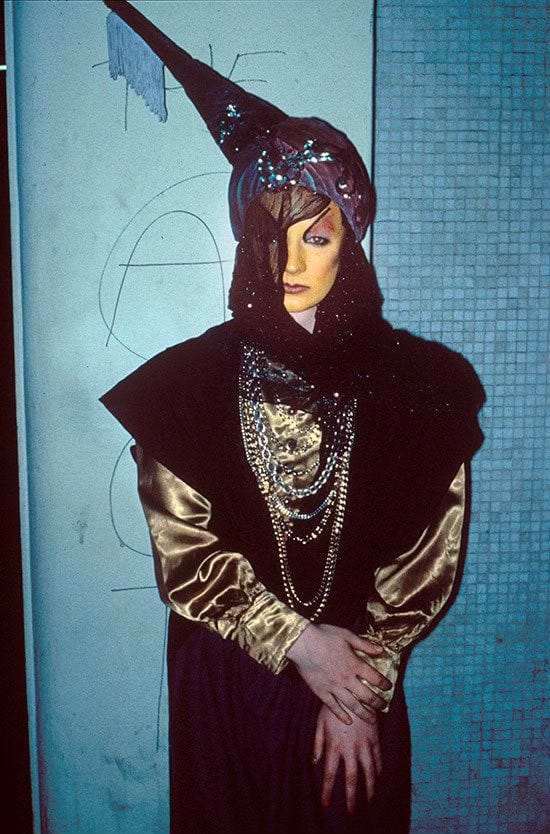
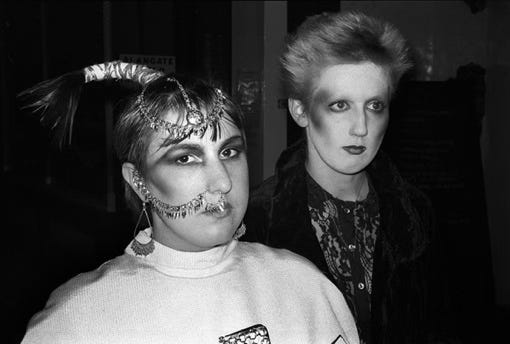
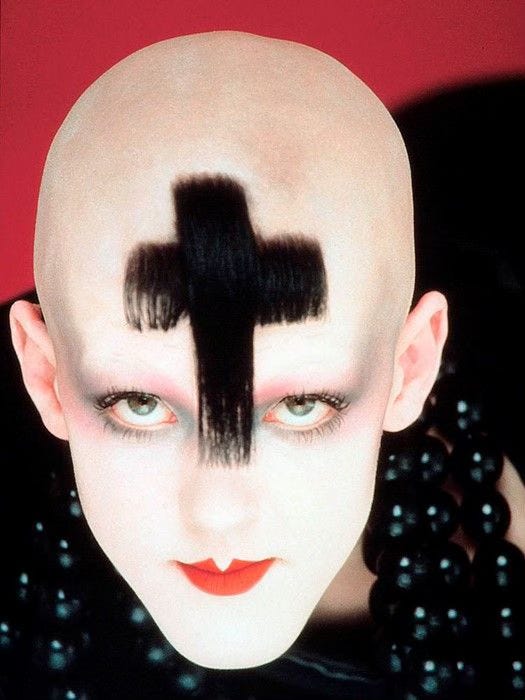
Blitz attracted artists, fashion students, musicians, stylists, people who weren’t simply dressing up but actively building identities. Many were working class, disillusioned with the austerity and greyness of Thatcher’s Britain. Punk, once rebellious, now felt stale. Blitz became their technicolour antidote.
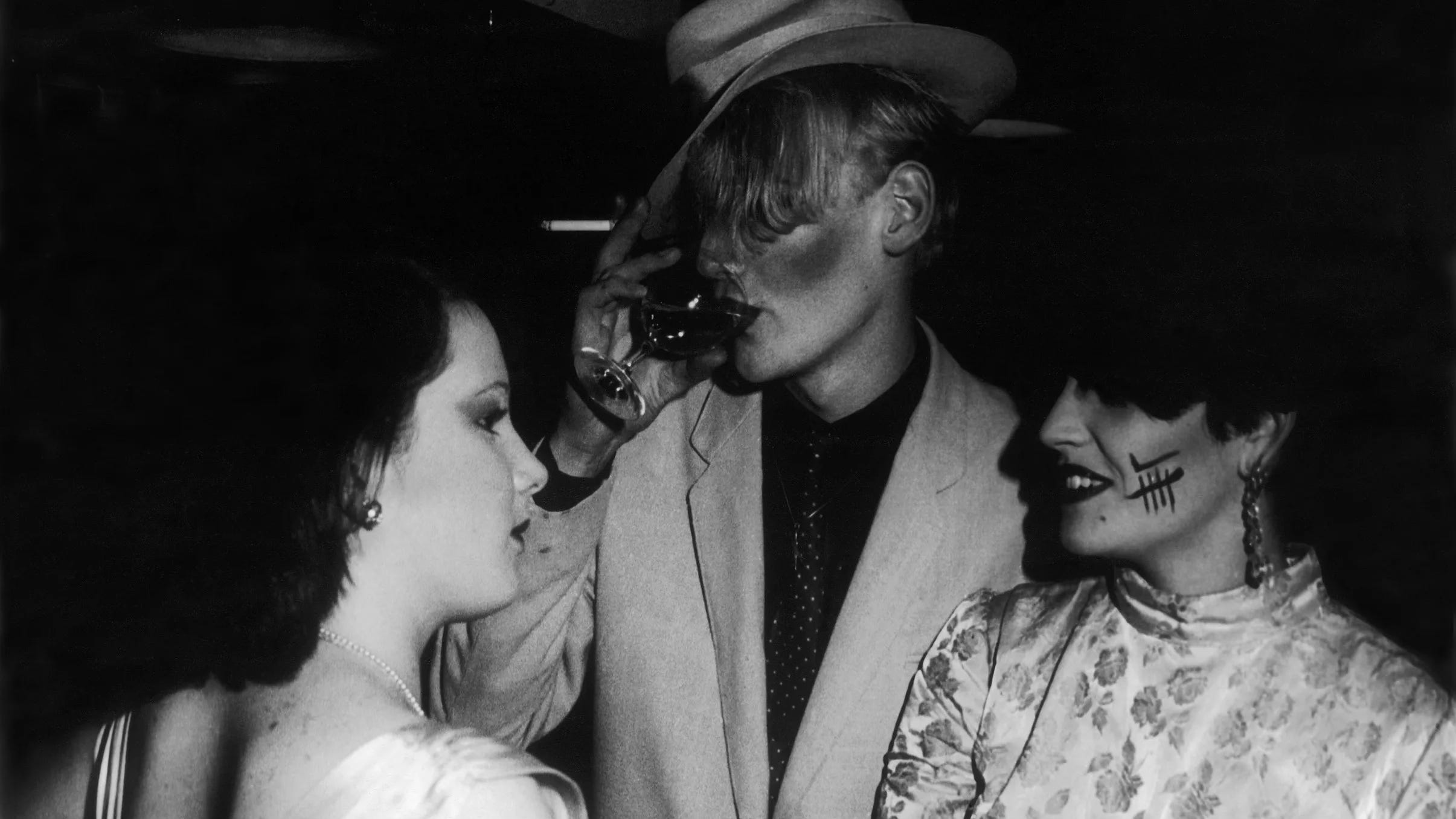
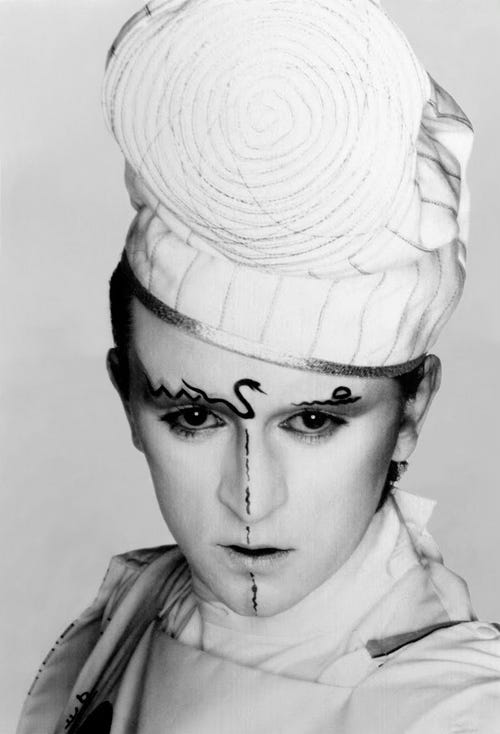
Inside, the dance floor doubled as a catwalk. Students from St Martin’s and Central School tested fresh designs made days before. Outfits were rarely bought; they were engineered. Fabrics were dyed, torn apart, embellished, reimagined. This was creativity as survival. A deliberate escape from the everyday.
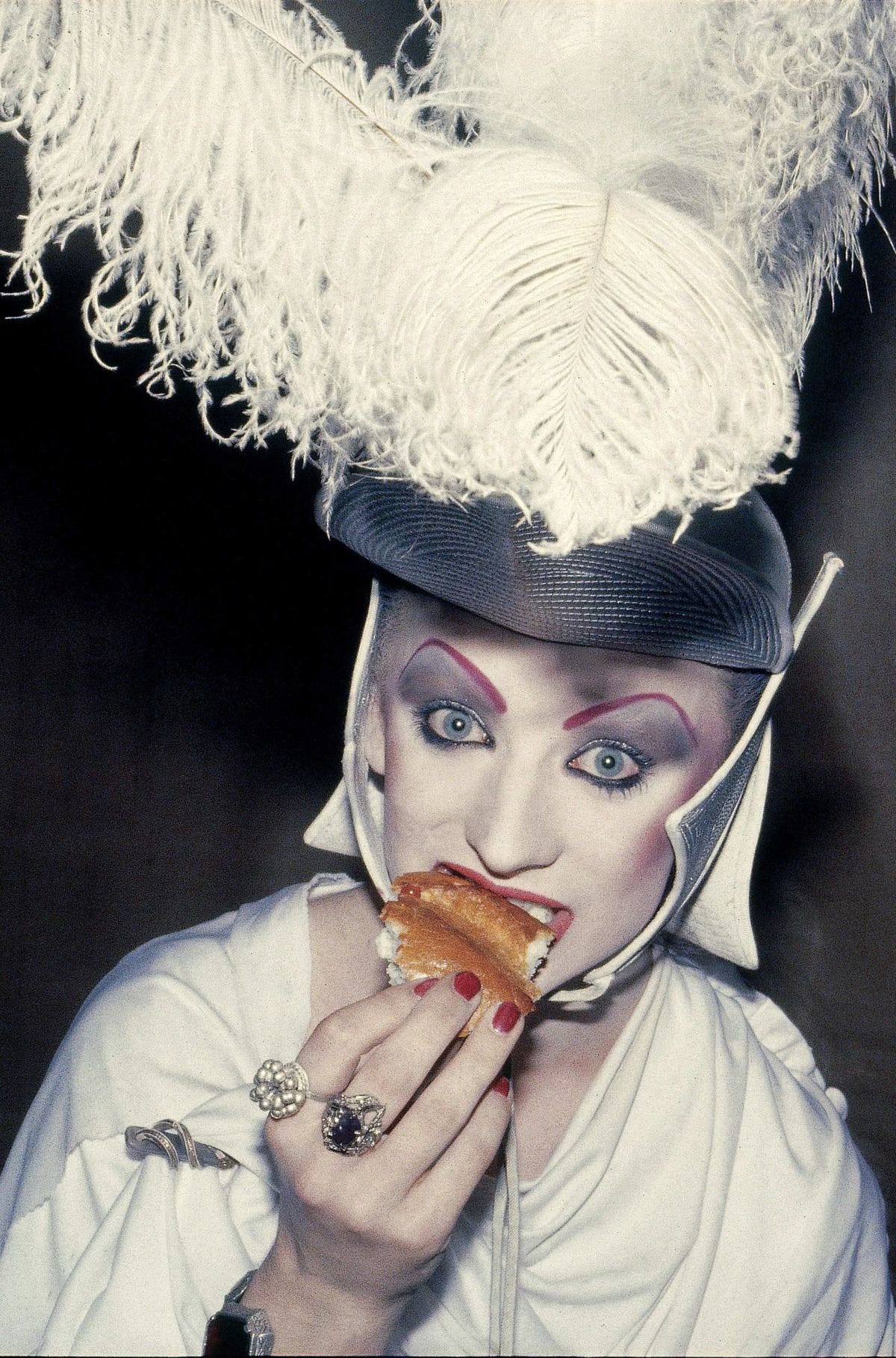
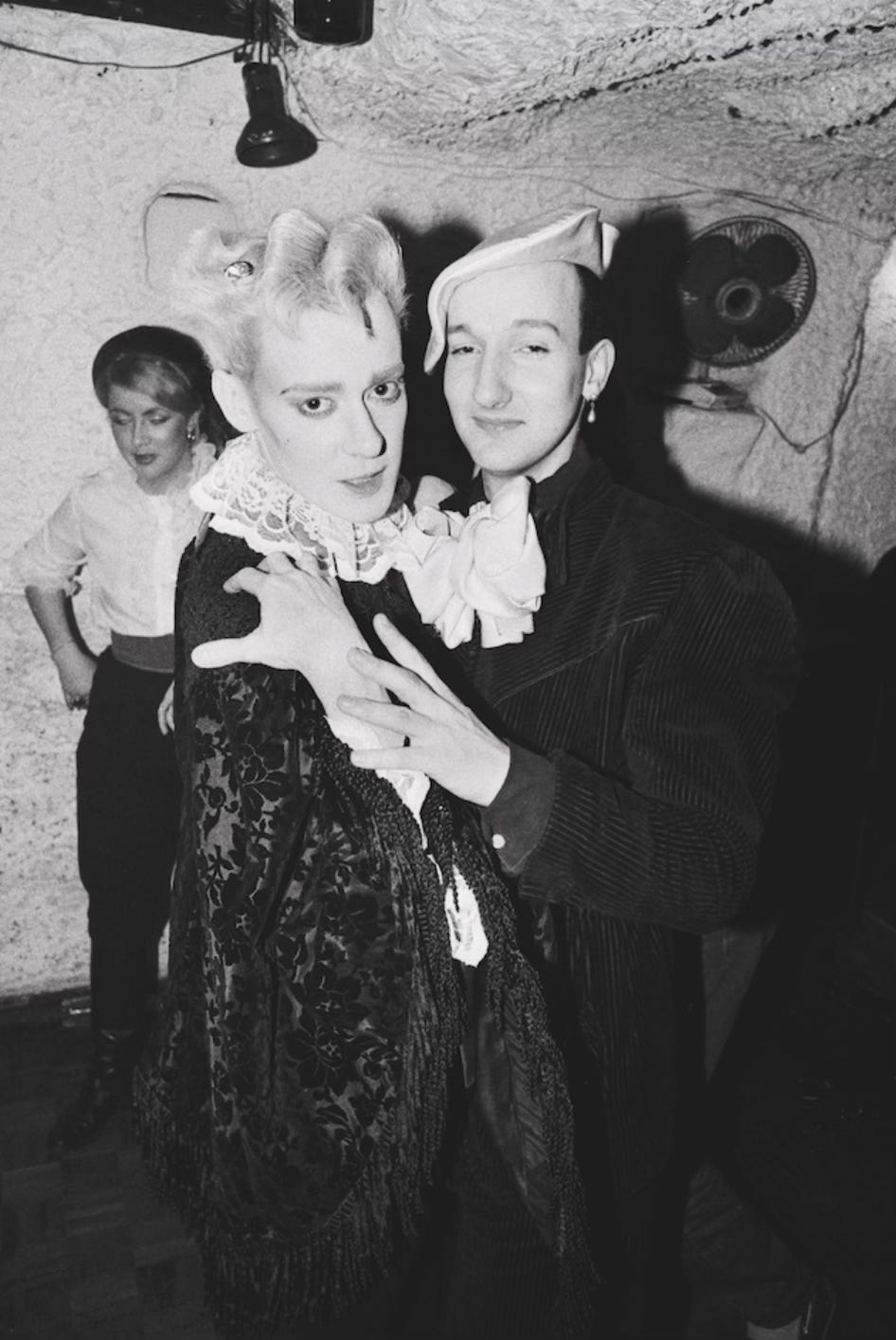
The aesthetic was experimental and gloriously excessive: pirates, Romantic poets, glam-rock aliens, and gender-fluid silhouettes long before any of it became part of mainstream conversation. Hair was sculptural. Makeup was theatre. Colours were loud. Nothing was neutral.
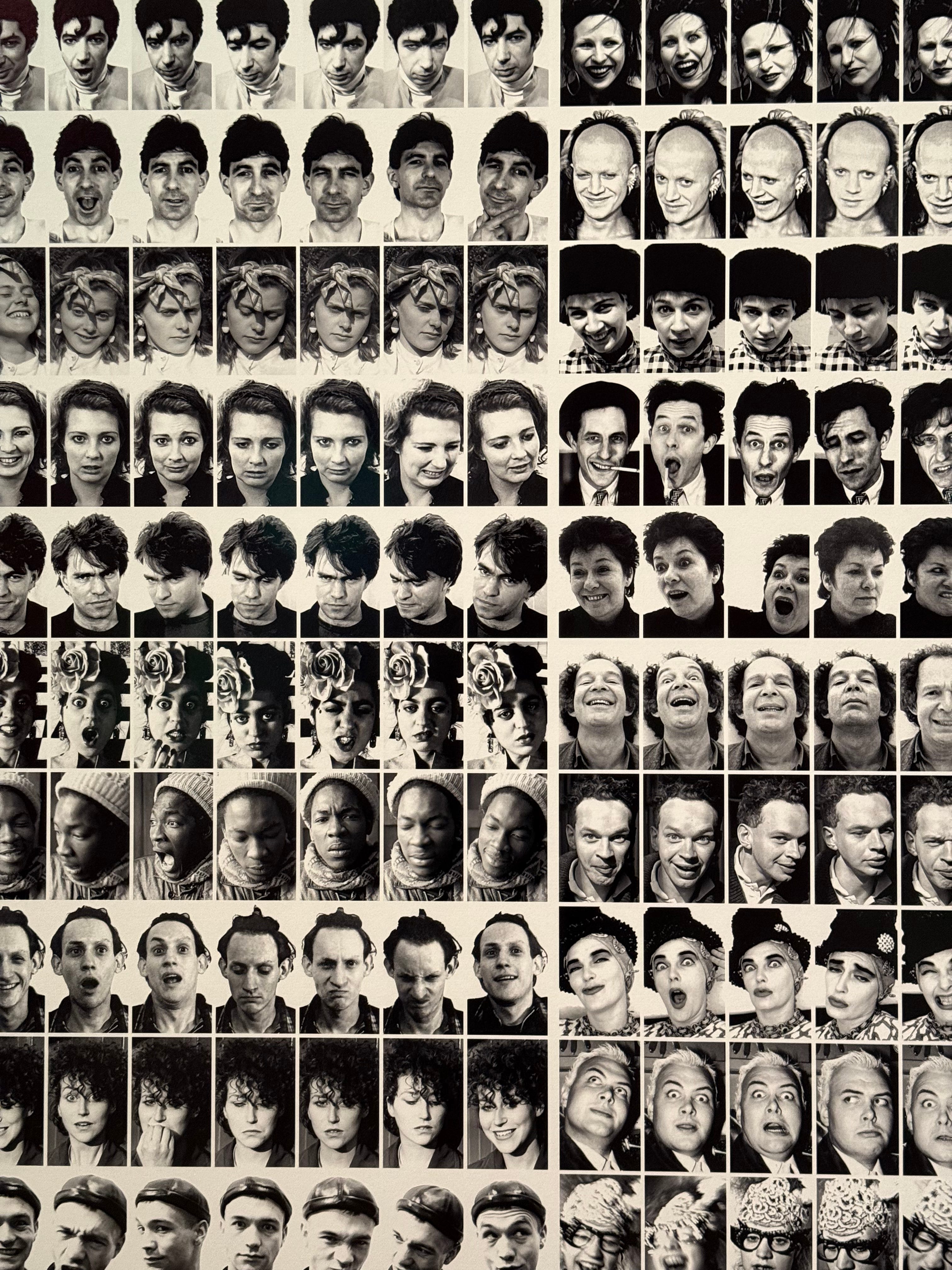
Blitz was the birthplace of the New Romantic look: dramatic, boundary-pushing, and profoundly self-authored.
The Soundtrack To a New Era
This was also the threshold of the synthesiser era. Rusty Egan played Bowie, Kraftwerk, Yellow Magic Orchestra, Roxy Music, Joy Division. Music that felt simultaneously futuristic and emotional, ice-cold and intimate. Perfect for a crowd reinventing themselves under dim lights and fogged mirrors.
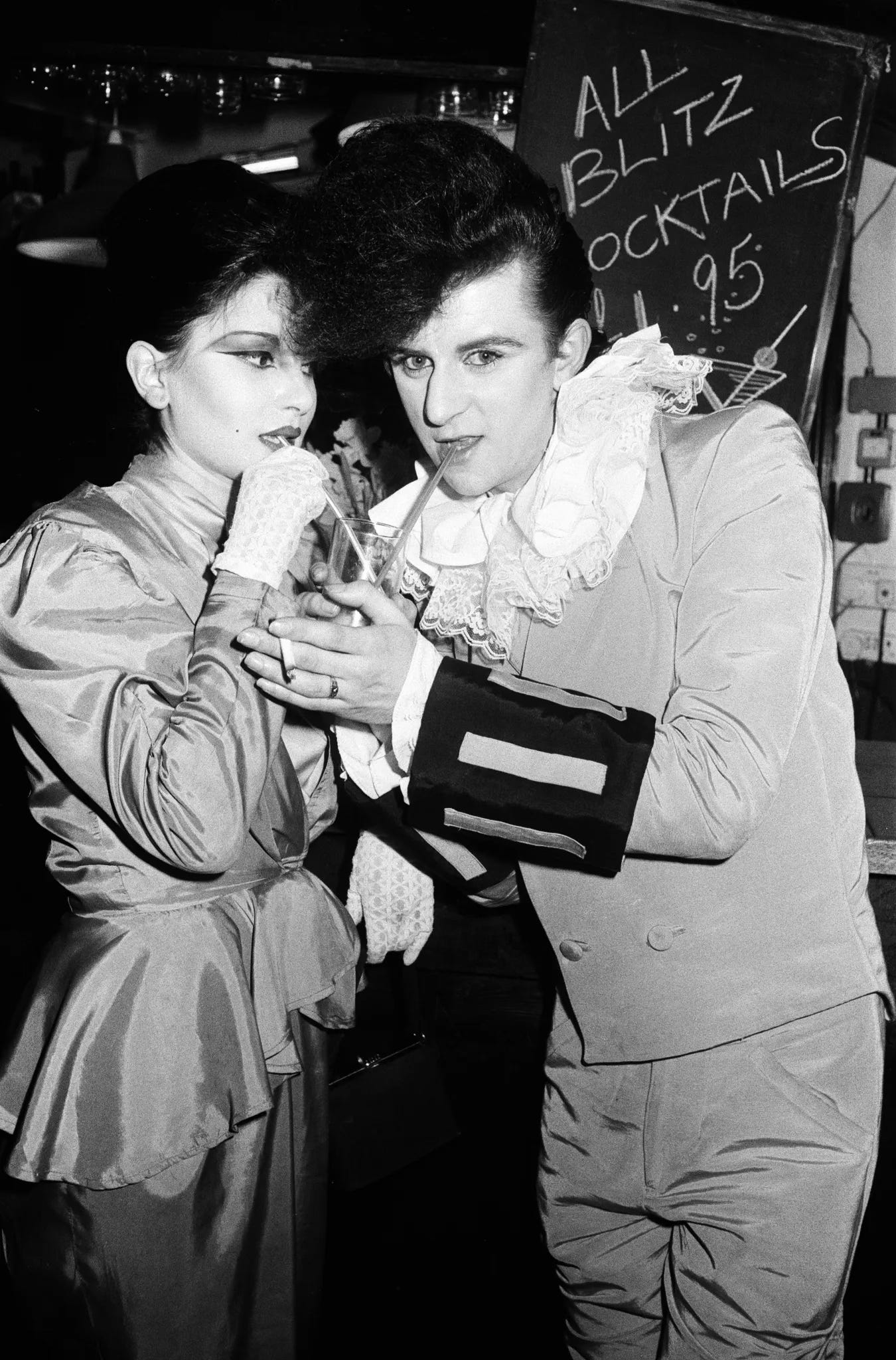
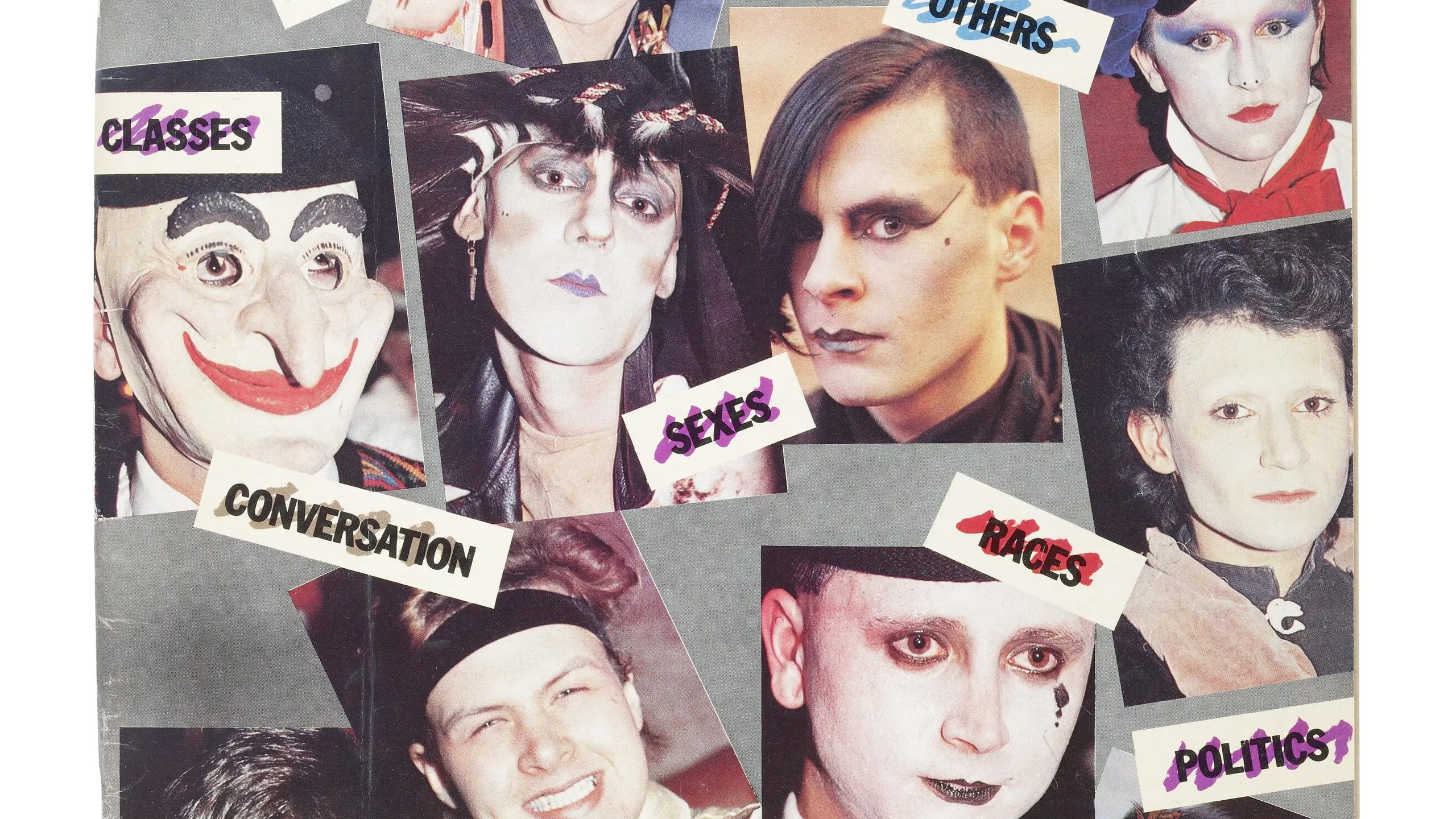
Blitz became the epicentre of a cultural shift so large that even London’s media took notice; Time Out ran covers on this strange, beautiful tribe who treated nightlife as an art project.
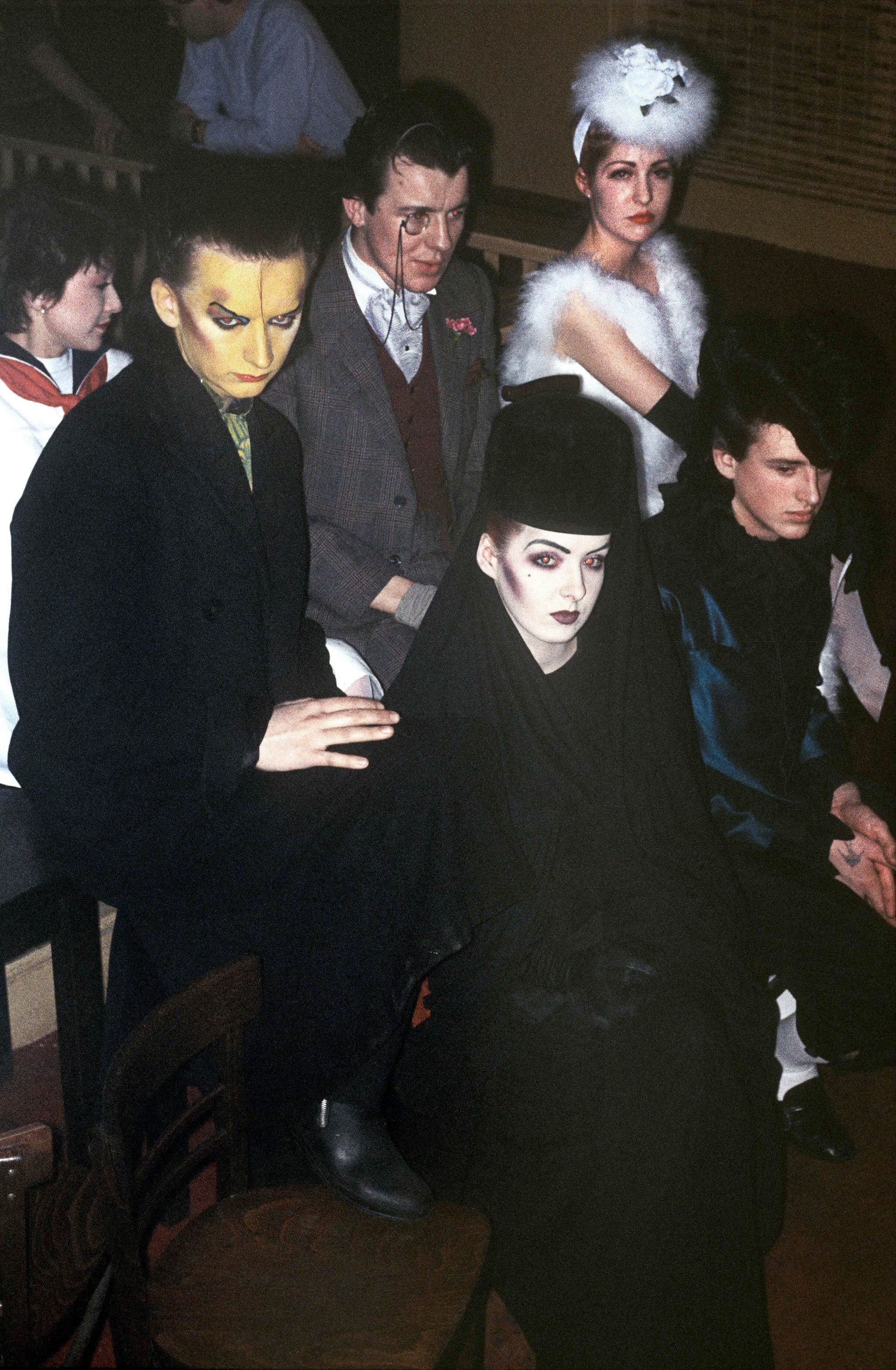
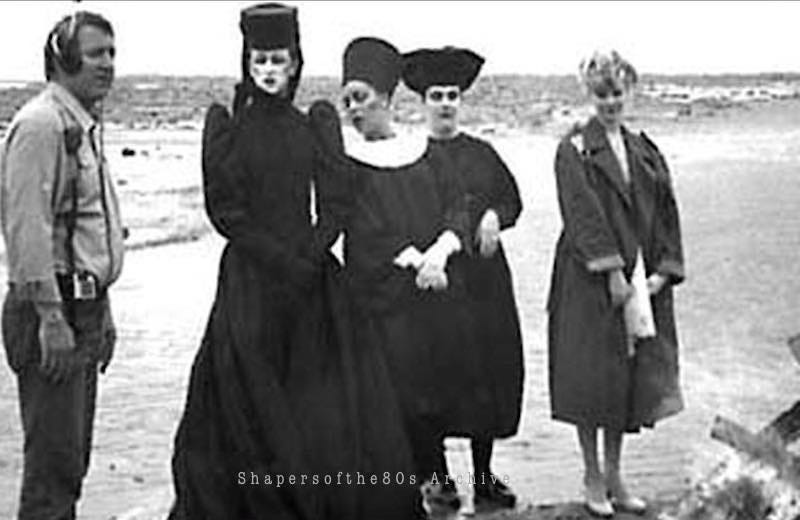
And then came the blessing: David Bowie walked through the door in 1980. He needed characters for his Ashes to Ashes video, the visual masterpiece that sealed the shift from the 70s into the 80s. Who did he choose? The Blitz Kids. A gesture that didn’t just recognise the scene; it sealed it into pop mythology.
The Afterglow
Blitz closed in October 1980, but by then, the fuse had been lit. Its influence didn’t fade. It radiated outward. The kids who danced there went on to become the New Romantics define the sound, style, and eccentric glamour of the decade.
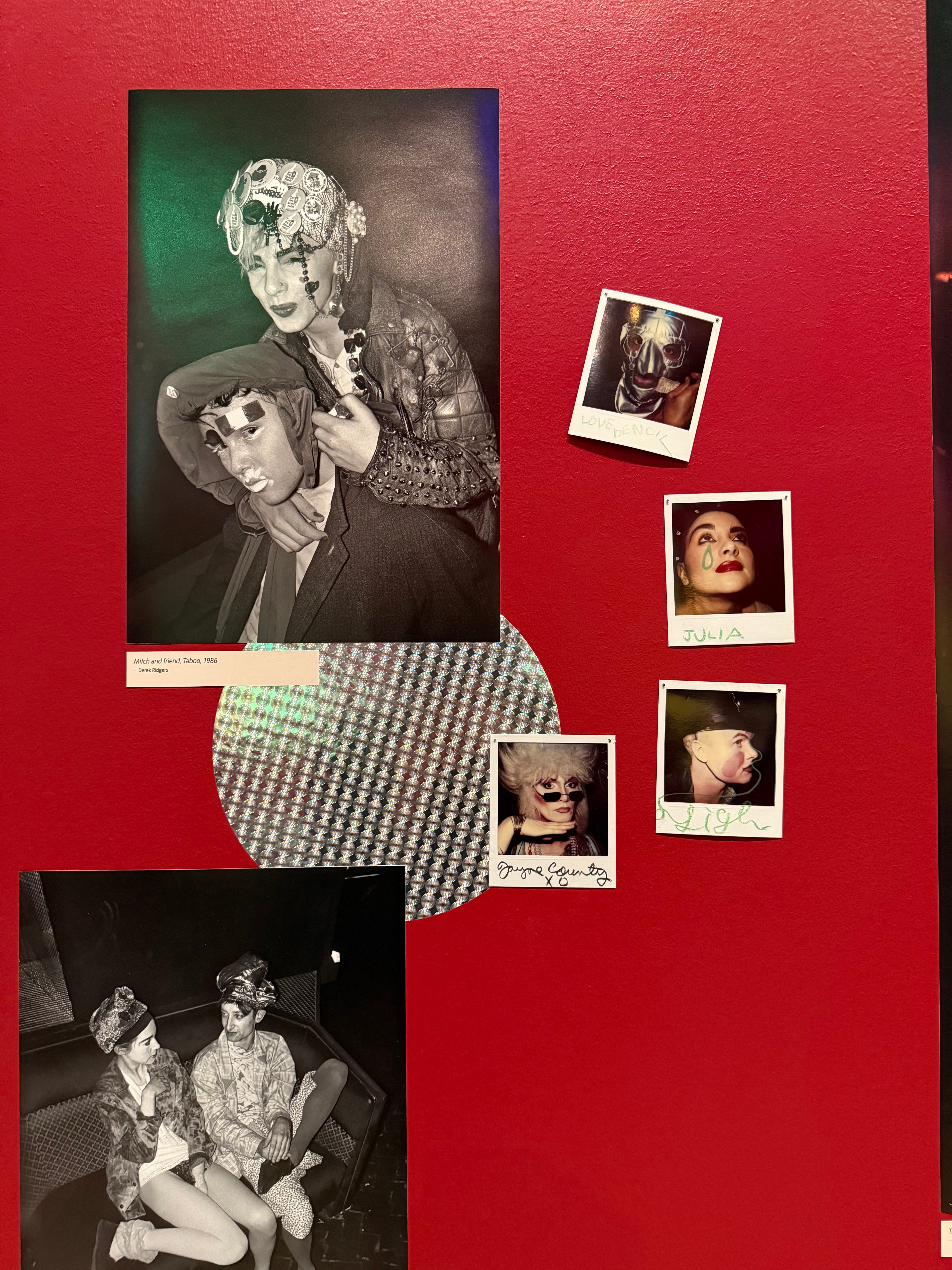
They took their attitude (self-invention as religion, fashion as forcefield) into magazines, music videos, studios, and stages across the UK.
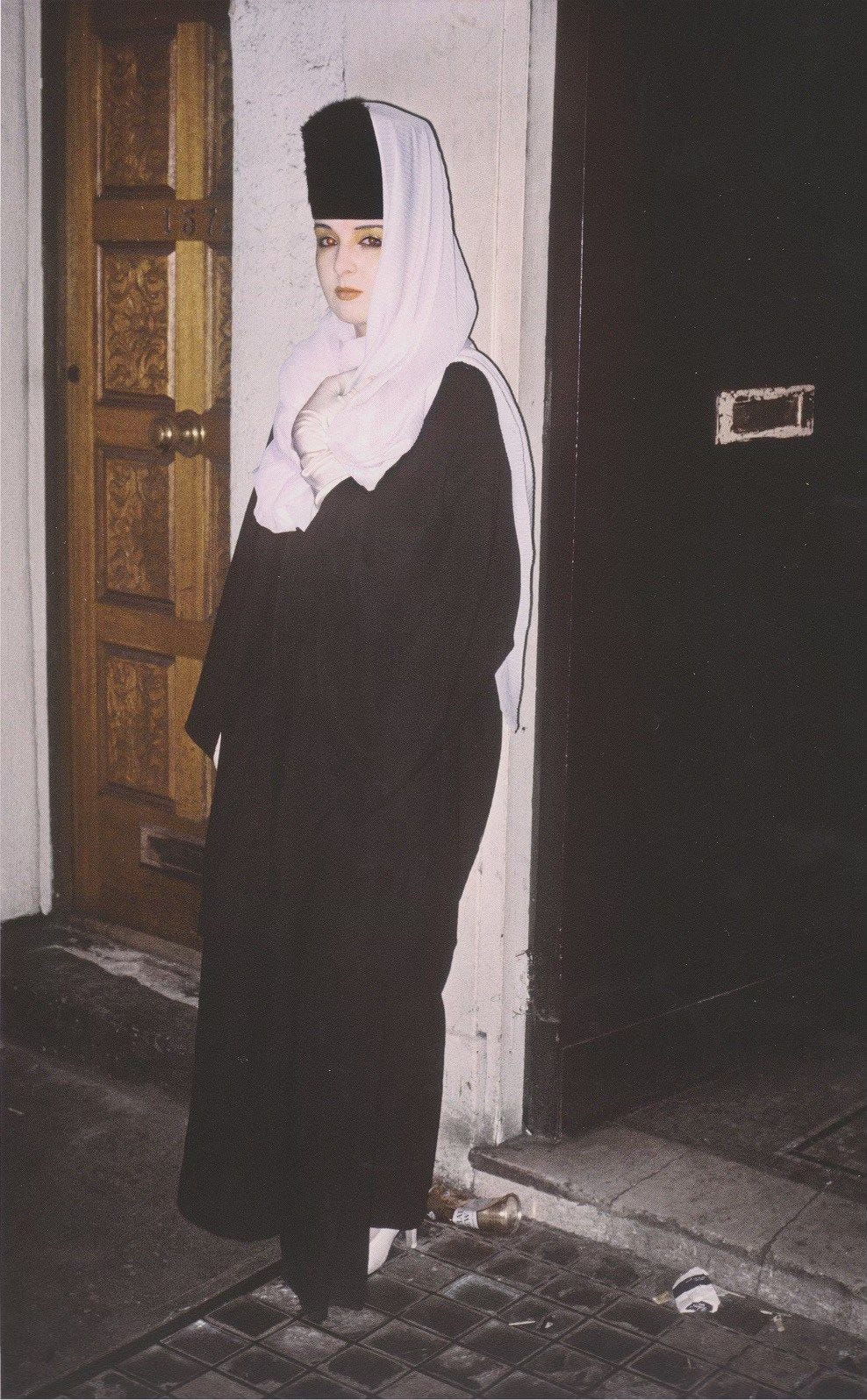
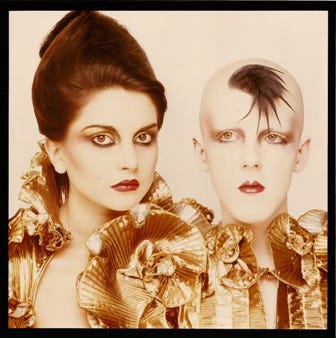
Boy George later immortalised the era in Taboo, the musical that reimagined its feverish nights. But the truth is the legacy never needed preserving. It’s everywhere: in androgynous silhouettes, in the expectation that nightlife is creative territory, in the understanding that fashion can be theory, rebellion, and self-portrait all at once.
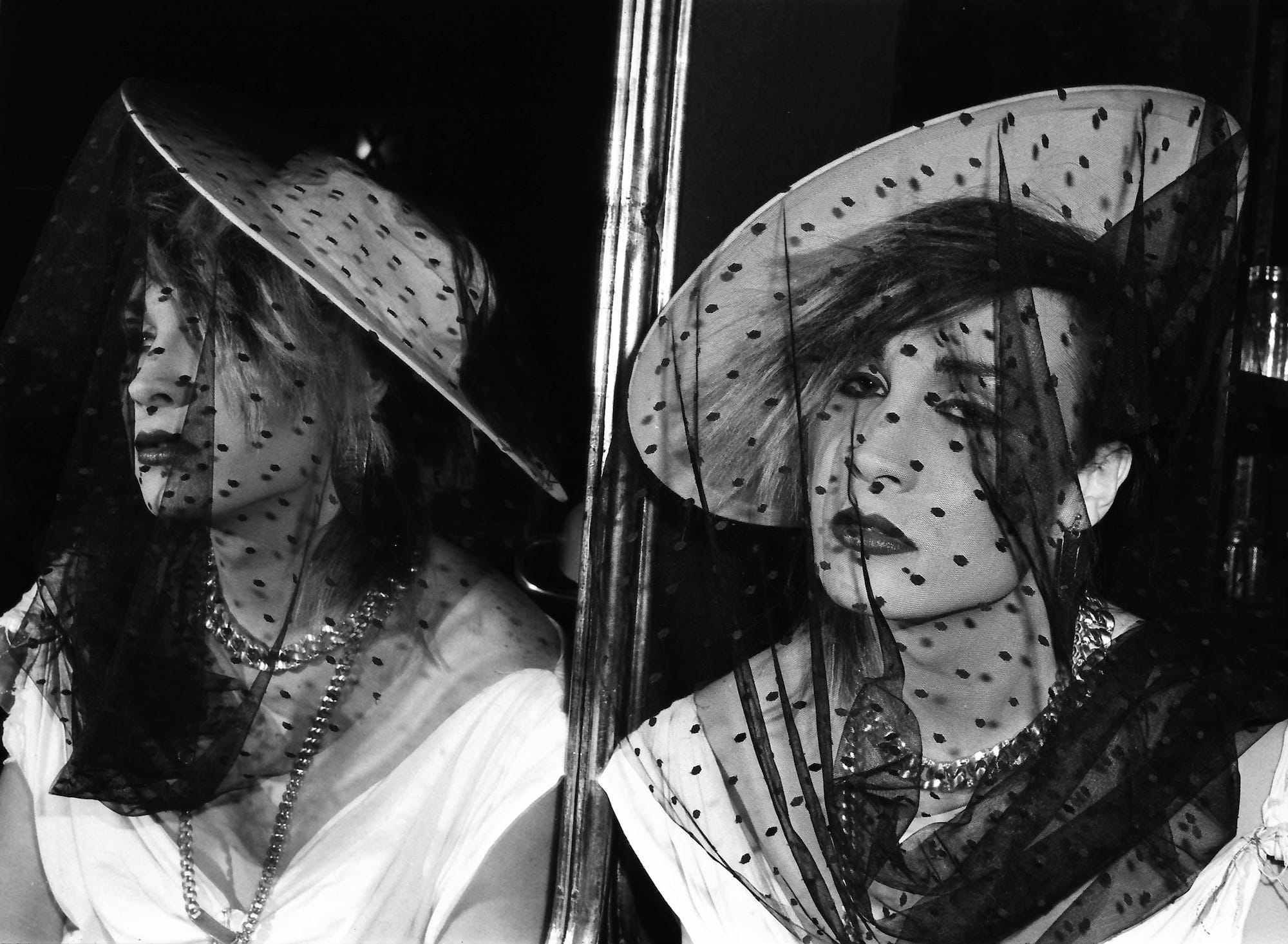
Why They Matter To Us
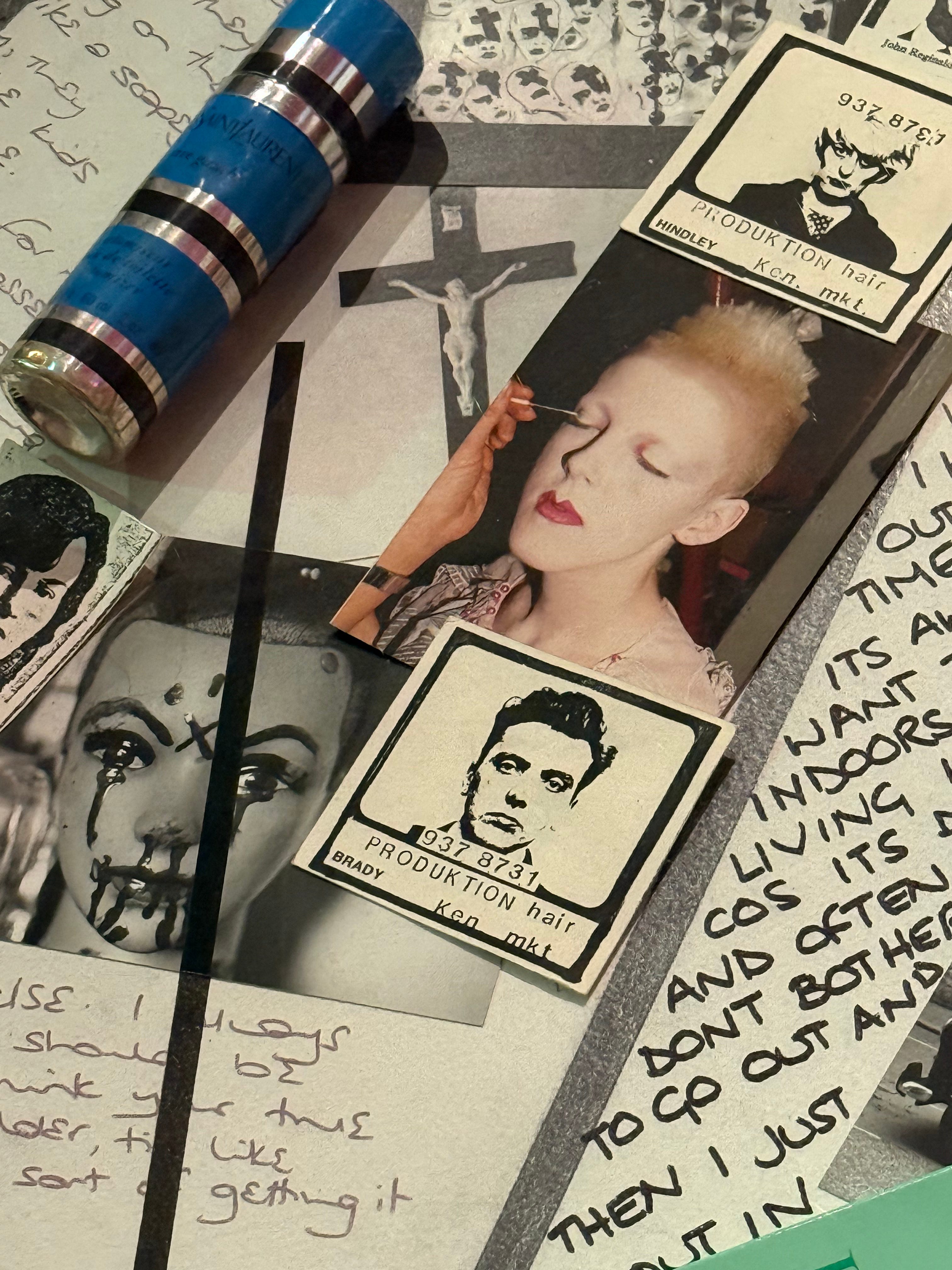
We love the Blitz Kids because they understood, instinctively, that aesthetics are not frivolous. They’re spark. They’re escape. They’re rebellion. They’re identity rendered visible.
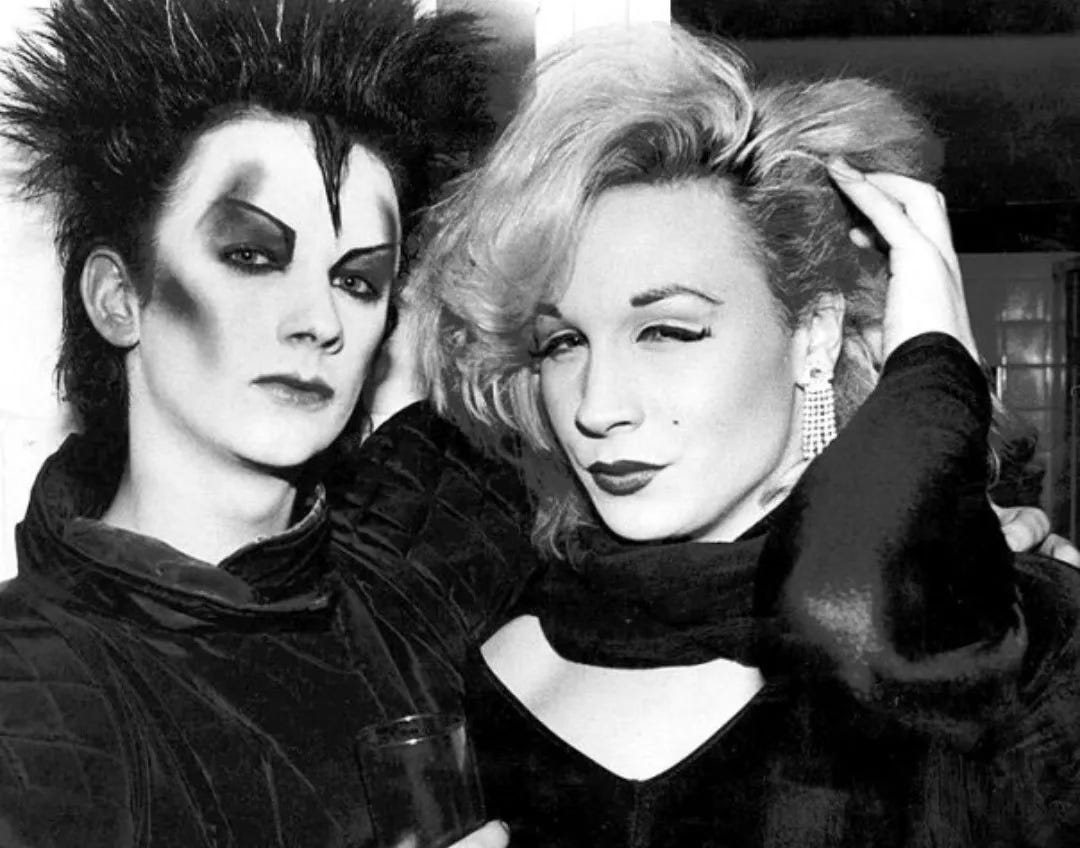
They built a sanctuary in a grey era and filled it with colour, decadence, humour, and impossible beauty. They weren’t dressing up; they were self-creating. They were living installations. And maybe that’s why their influence is eternal. Because style can be revolutionary.
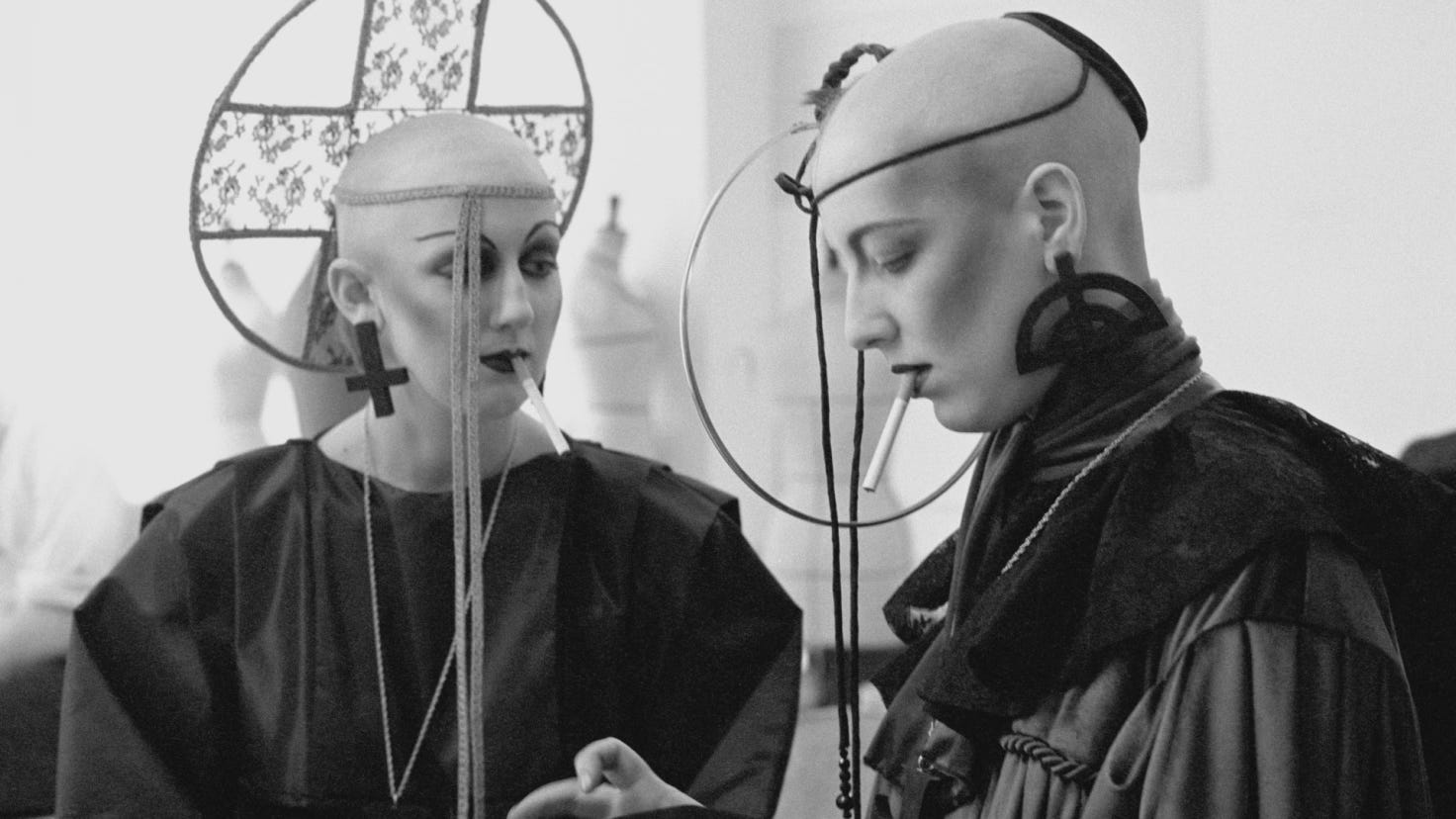
We honour them every time we lean into androgyny, into drama, into glamour that feels a little dangerous. The Blitz Kids walked so that many of us could strut, twirl, and smoulder through our lives with unapologetic theatricality.
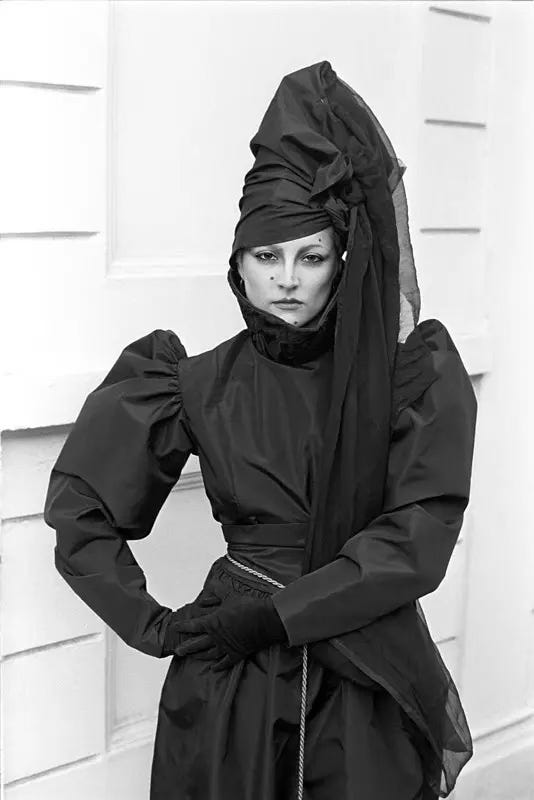
The Blitz Kids lived as though style itself could save you.
And sometimes, honestly, it does.
Documentaries + Movies to Watch
- Worried About the Boy (2010 TV movie)
- Blitzed: The 80’s Blitz Kids Story (2021 documentary)
- Tramps! (2022 documentary)
- POSERS - The New Romantics in the Kings Road (1981 short documentary)
- The New Romantics: A Fine Romance (2001 BBC TV documentary)