

Halloween or All Hallows' Eve
How it started and where we are going with it

Some history
Carving pumpkins, trick-or-treating, and wearing scary costumes are some of the time-honored traditions of Halloween. Yet, the Halloween holiday has its roots in the ancient Celtic festival of Samhain (a Gaelic word pronounced “SAH-win”), a pagan religious celebration to welcome the harvest at the end of summer, when people would light bonfires and wear costumes to ward off ghosts. In the eighth century, Pope Gregory III designated November 1 as a time to honor saints. Soon after, All Saints Day came to incorporate some of the traditions of Samhain. The evening before All Saints Day was known as All Hallows Eve, and later, Halloween.
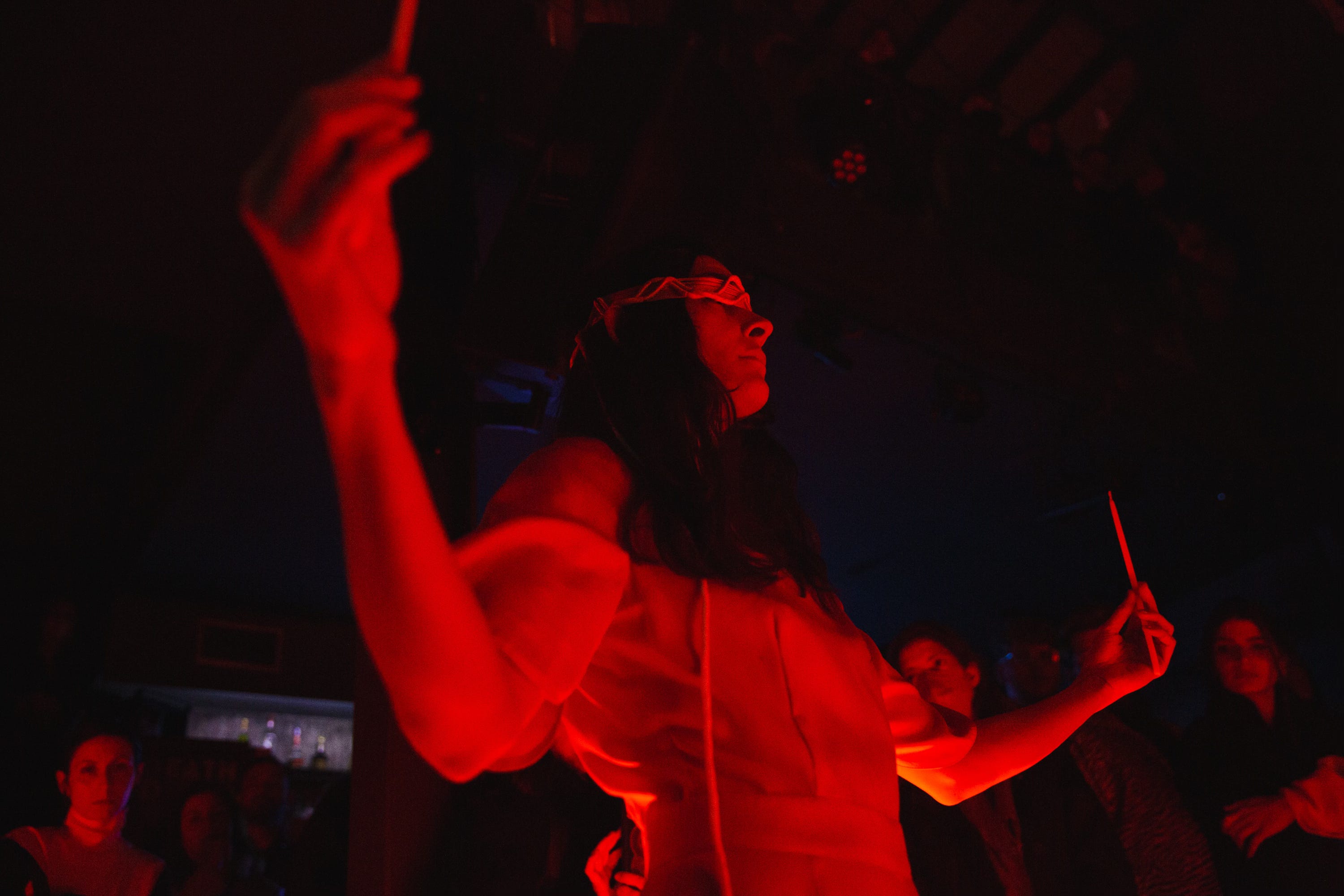
Halloween’s origins date back to the ancient Celtic festival of Samhain. The Celts (who lived 2,000 years ago, mostly in the area that is now Ireland, the United Kingdom and northern France) celebrated their new year on November 1.
This day marked the end of summer and the harvest and the beginning of the dark, cold winter, a time of year that was often associated with human death. Celts believed that on the night before the new year, the boundary between the worlds of the living and the dead became blurred. On the night of October 31 they celebrated Samhain, when it was believed that the ghosts of the dead returned to earth.
What we wear to celebrate Halloween, especially if we were to attend a themed ball.
(the story will continue, do not fear)
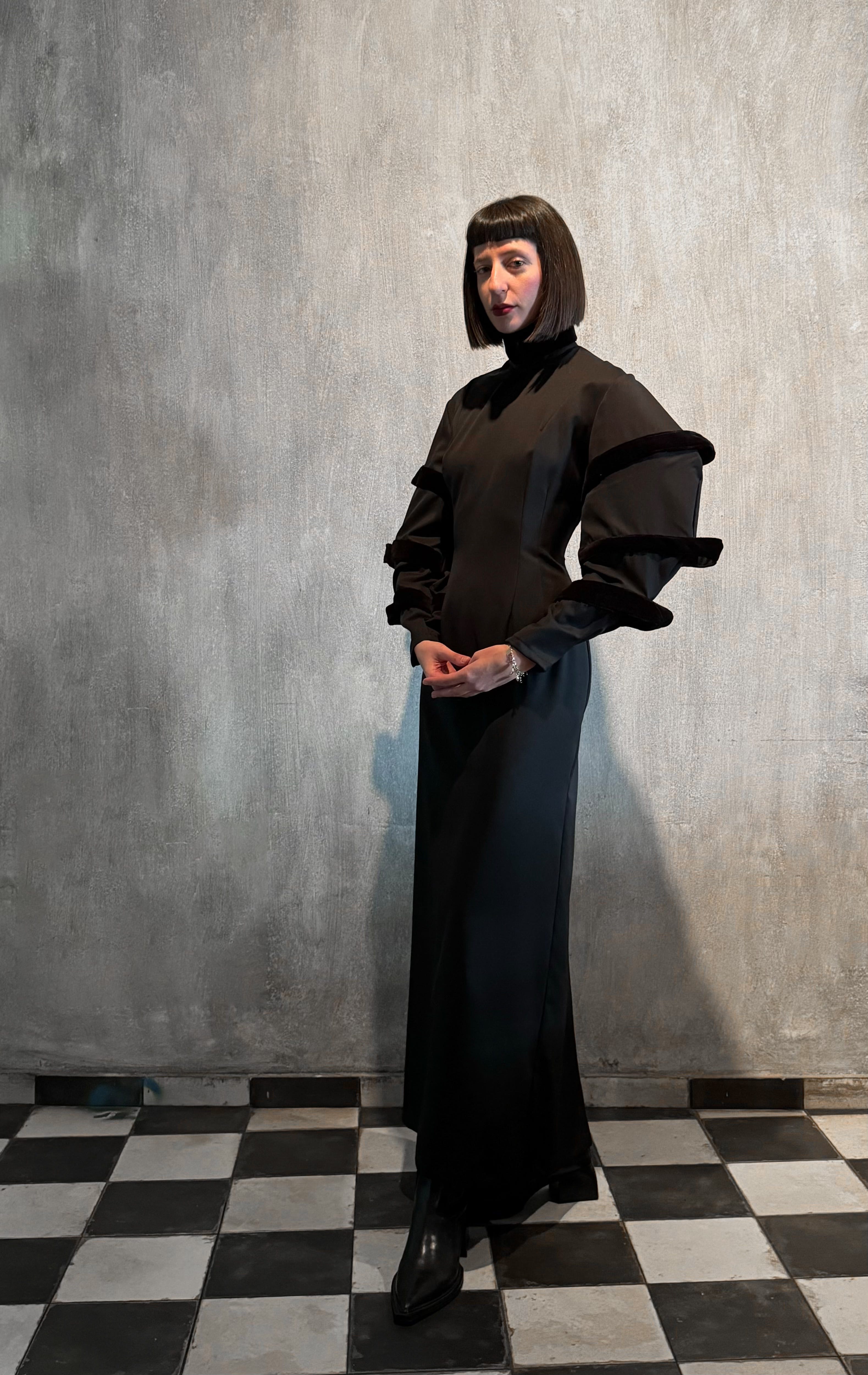
The tradition of carving Jack-o’-Lanterns originated in Ireland using turnips instead of pumpkins. It is allegedly based on a legend about a man named Stingy Jack who repeatedly trapped the Devil and only let him go on the condition that Jack would never go to Hell. But when Jack died, he learned that Heaven did not want his soul either, so he was forced to wander the Earth as a ghost for eternity. The Devil gave Jack a burning lump of coal in a carved-out turnip to light his way. Locals eventually began carving scary faces into their own turnips to frighten away evil spirits.
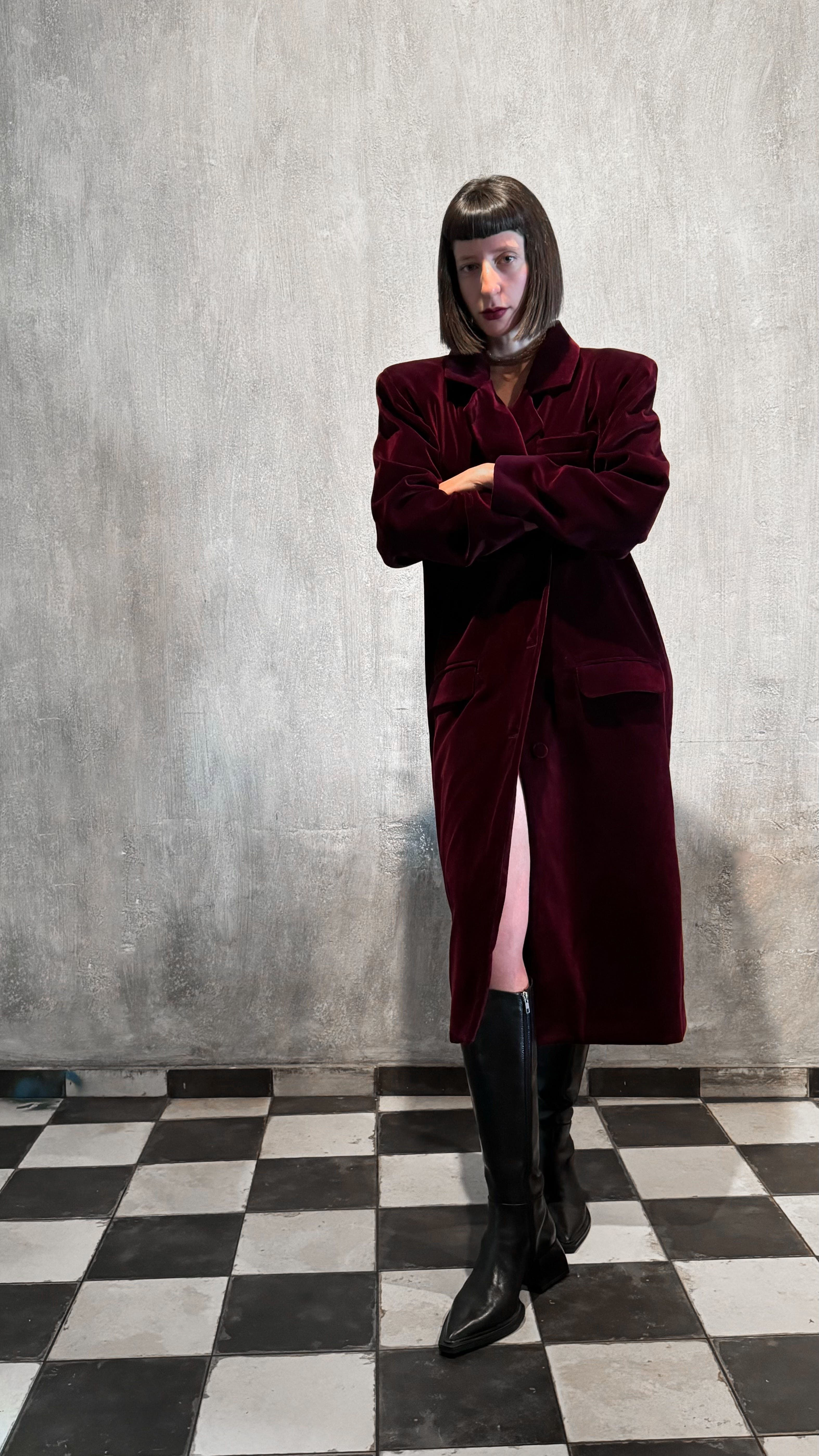
In order to avoid being terrorized by all the evil spirits walking the Earth during Samhain, the Celts donned disguises in order to confuse the spirits and be left alone.

There are several theories about the tradition of Trick-or-Treating.
One theory suggests that during Samhain, Celtic people would leave food out to appease the spirits traveling the Earth at night. Over time, people began to dress as these unearthly beings in exchange for similar offerings of food and drink.
Another theory speculates that the candy boon stems from the Scottish practice of guising, which is a secular version of “souling.” During the Middle Ages, generally children and poor adults would collect food and money from local homes in return for prayers for the dead on All Souls’ Day. Guisers dropped the prayers in favor of non-religious practices with the inclusion of songs, jokes, and other “tricks.”
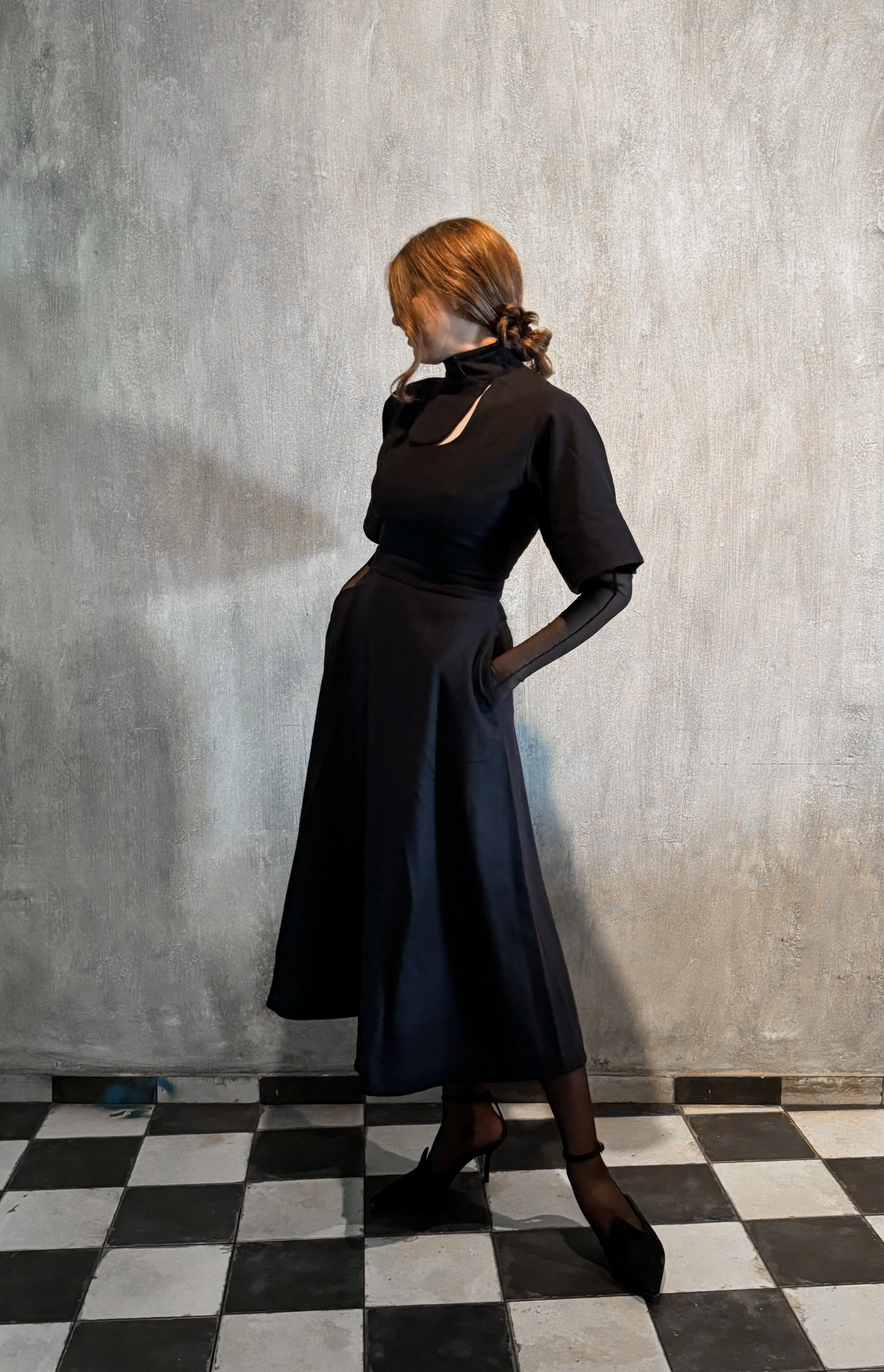
Americans, borrowing from European traditions, began to dress up in costumes and go house to house asking for food or money, a practice that eventually became today’s “trick-or-treat” tradition. Young women believed that on Halloween they could divine the name or appearance of their future husband by doing tricks with yarn, apple parings or mirrors.
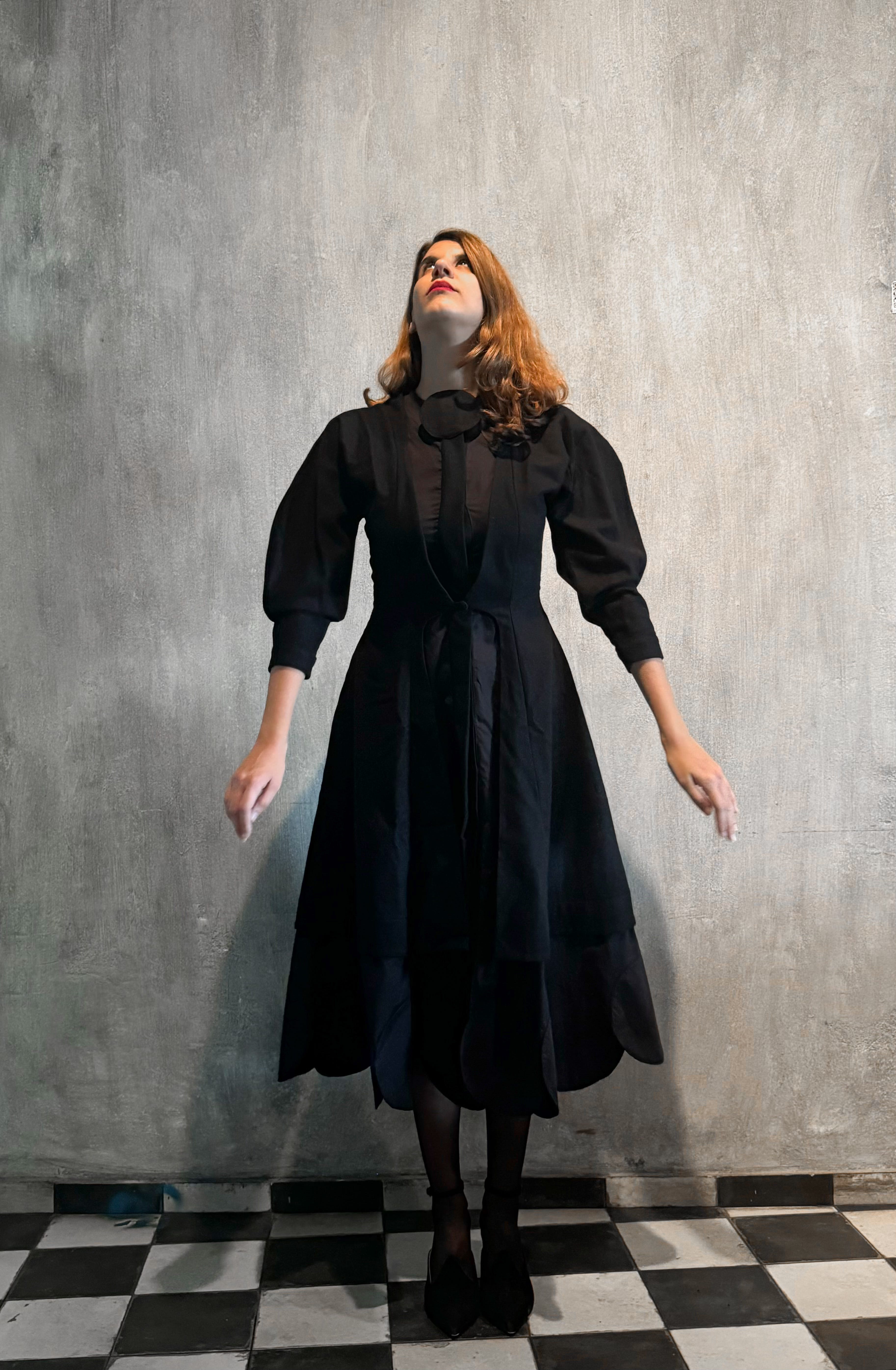
The tradition of dressing in costume for Halloween has both European and Celtic roots. Hundreds of years ago, winter was an uncertain and frightening time. Food supplies often ran low and, for the many people afraid of the dark, the short days of winter were full of constant worry.
On Halloween, when it was believed that ghosts returned to the earthly world, people thought they might encounter these spirits if they left their homes. To avoid being recognized, they would wear masks when venturing out after dark, hoping the ghosts would mistake them for fellow spirits.To keep ghosts away from their houses, people would place bowls of food outside their homes to prevent them from attempting to enter.
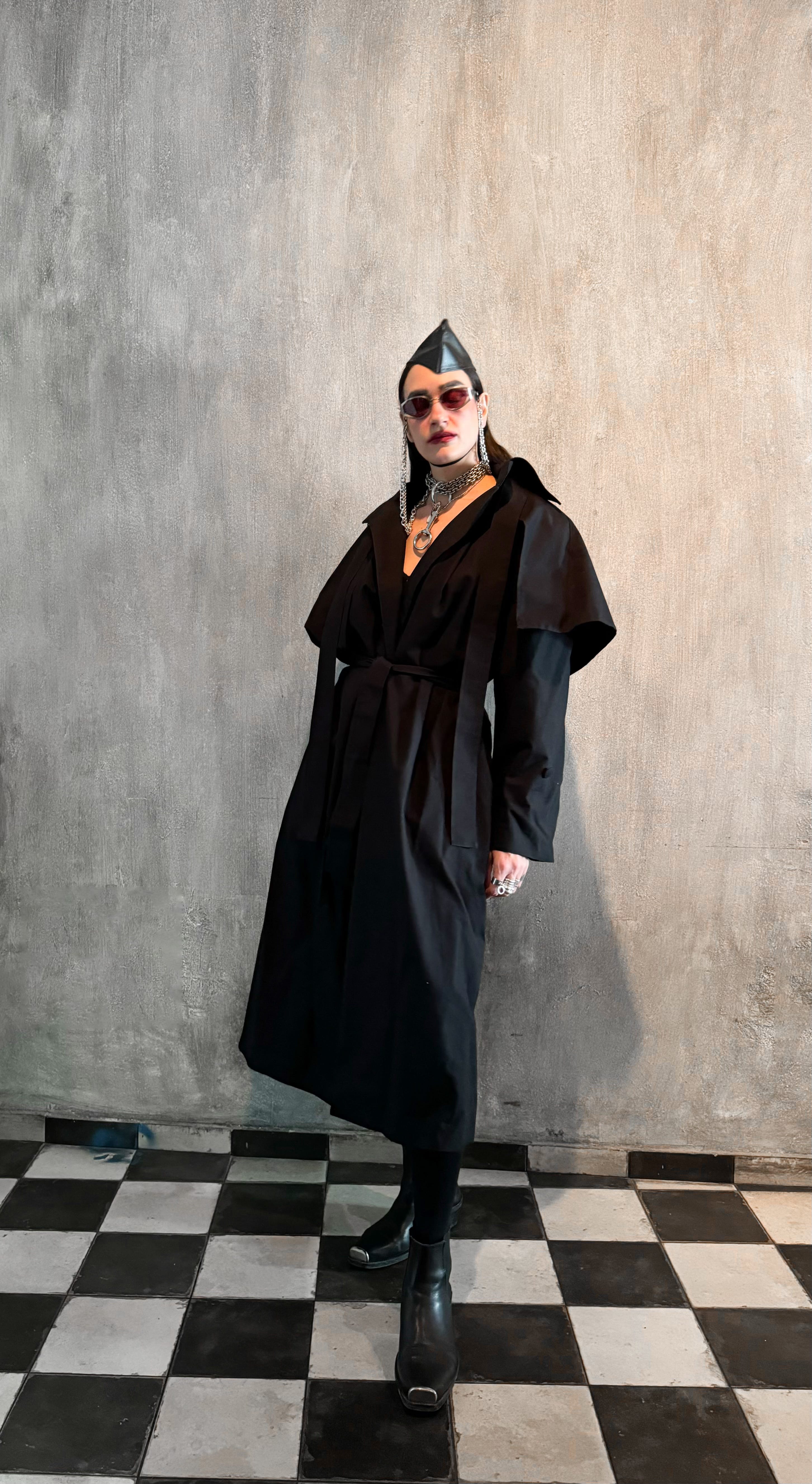
The idea of being spooked by black cats dates back to the Middle Ages, when these dark felines were considered a symbol of the Devil. It didn’t help that centuries later, accused witches were often found to have cats, particularly black ones. People began to believe that the cats were a witch’s “familiar”–supernatural entities that would assist in their practice of dark magic–and black cats and spookiness have been linked ever since.

The game of bobbing for apples has been a staple at Halloween parties for many years, but its origins are more rooted in love and romance. The game traces back to a courting ritual that was part of a Roman festival honoring Pomona, the goddess of agriculture and abundance. While multiple versions existed, the gist was that young men and women would be able to predict their future relationships based on the game. When the Romans conquered the British Isles in 43 AD, the Pomona festival blended with the similarly timed Samhain.
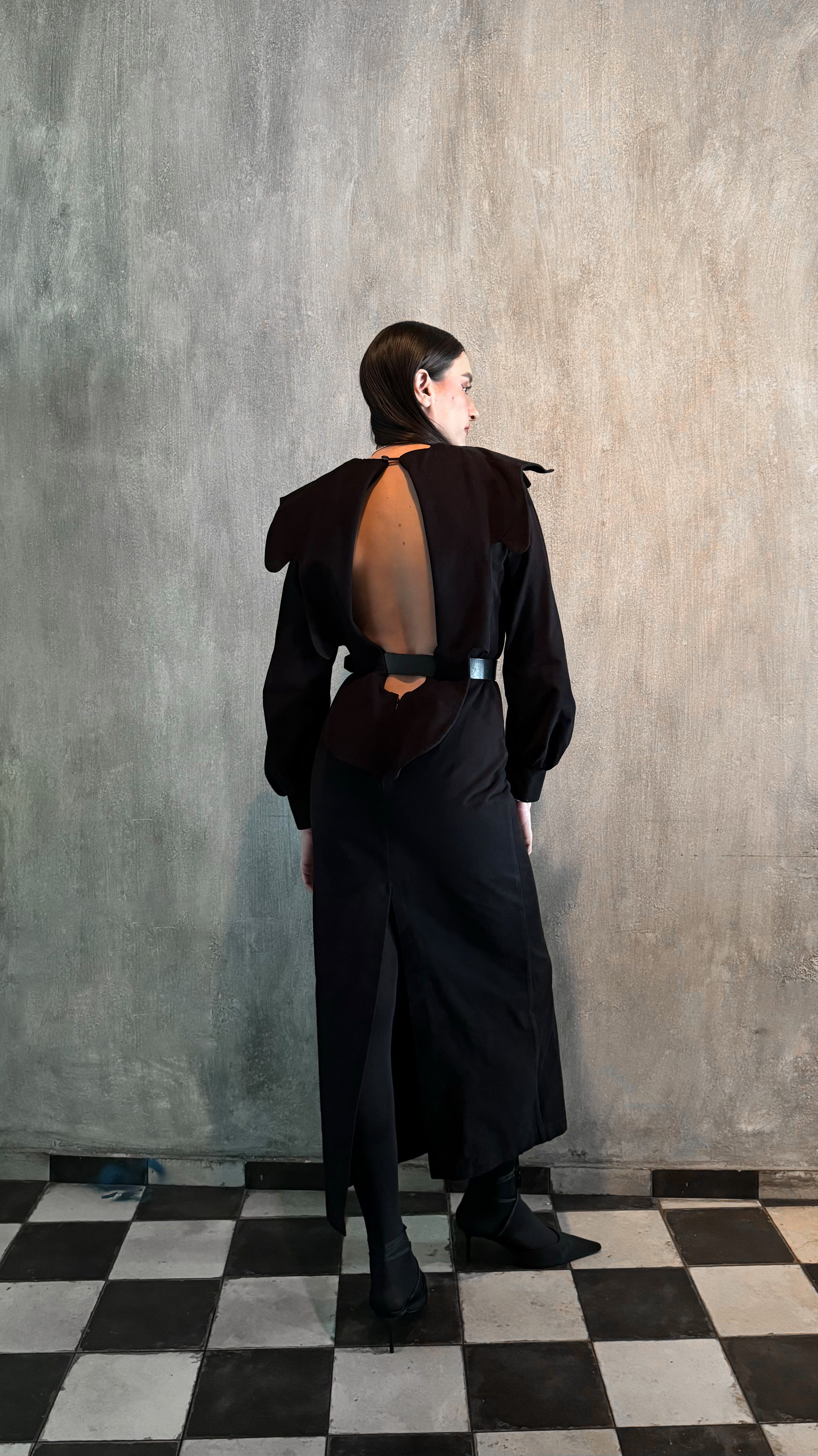
If you want to be more literal with your costumes, we do have this answer too

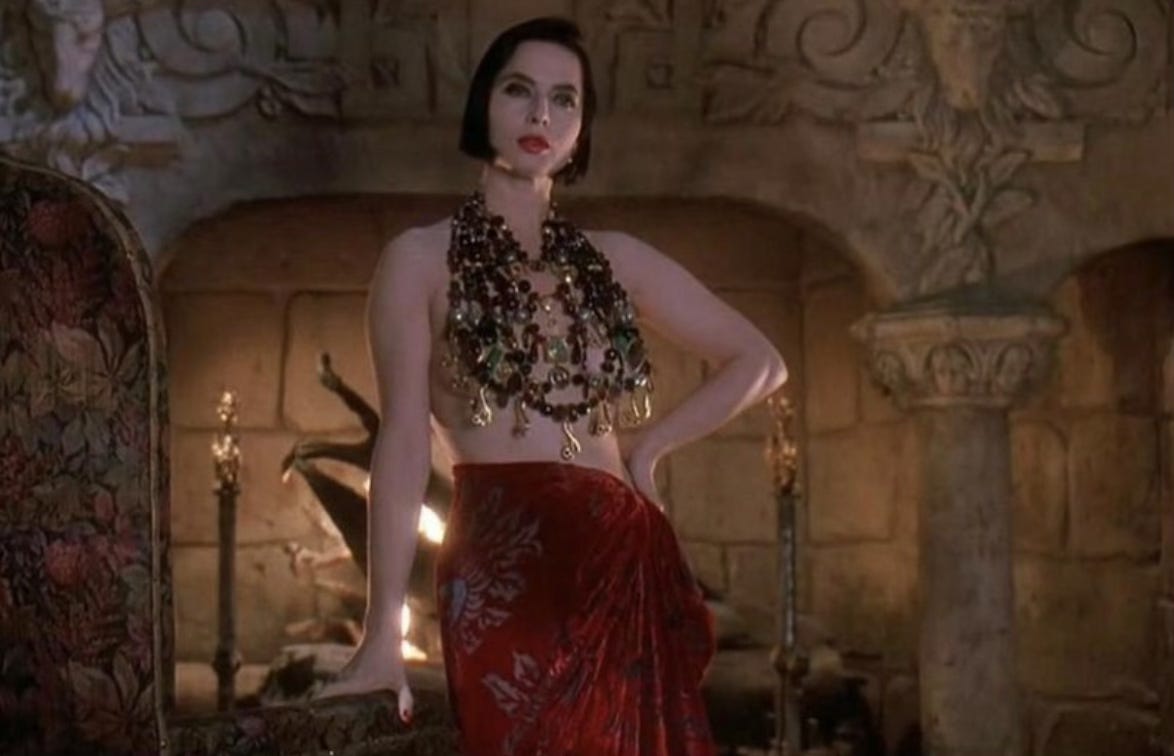
and
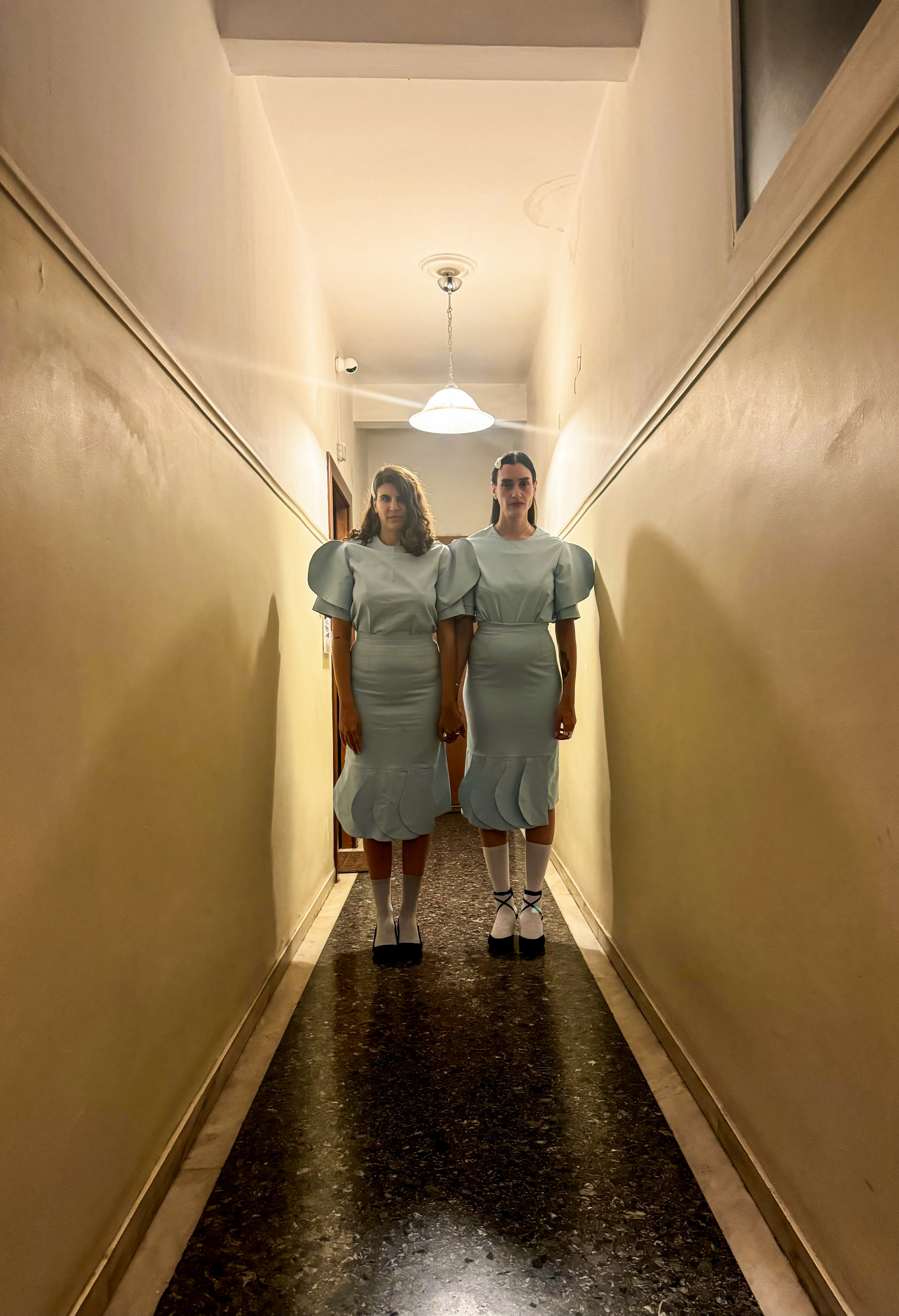
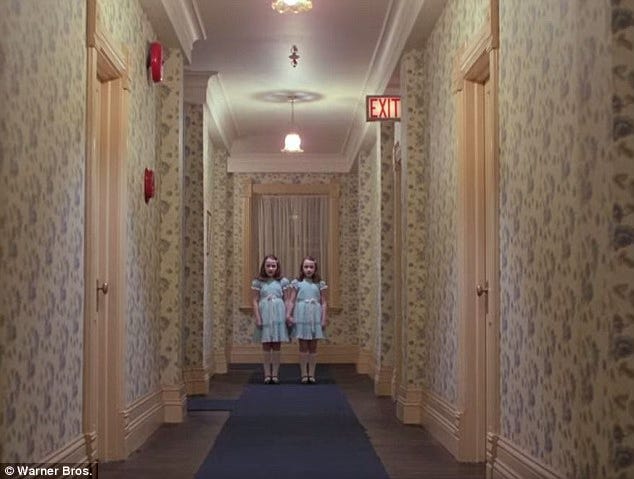
We can’t leave you without our movie suggestions for the occasion
Bell Book and Candle (1958)
I Married a Witch (1942)
Hocus Pocus (1993)
The Witches of Eastwick (1987)
Blithe Spirit (1945)
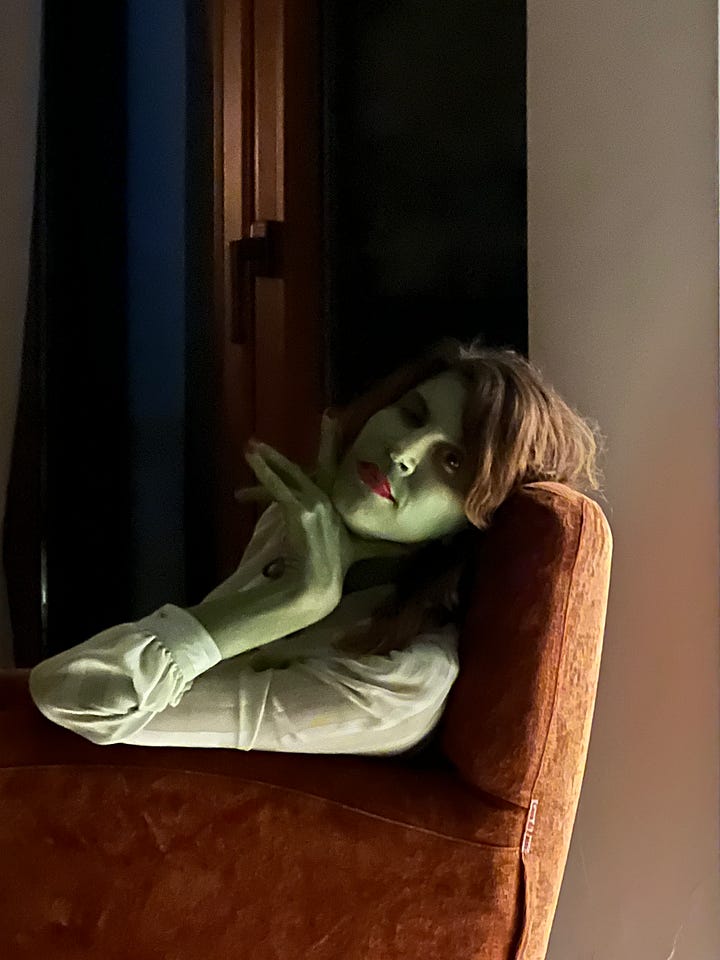
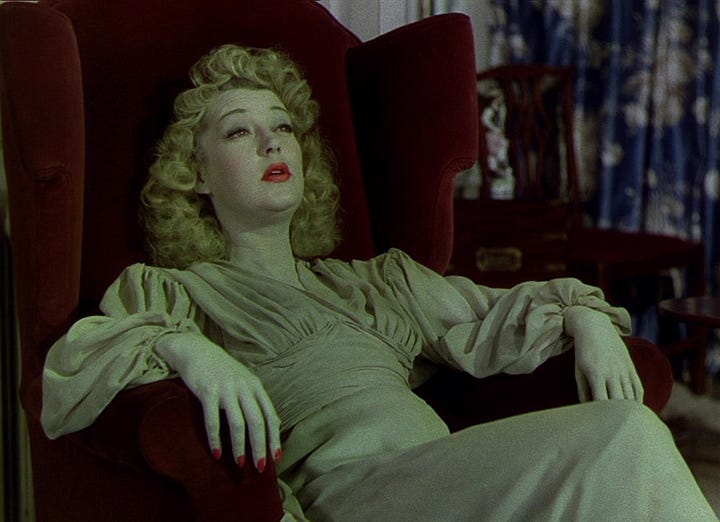
and Stella dressed like it! and something to listen to!


Read everything about the history of Halloween here + here
Have fun out there, beware of the ghouls!
Alexandra, Stella + Valisia