

I'm Always Drunk In San Francisco (And I Don't Drink At All)
Hills up and down, bridges, margaritas, cable cars, crustaceans, and a city that refuses to be one thing.

Sitting at the edge of the Pacific, framed by two world-famous bridges, San Francisco doesn’t really behave like a single city. It feels like several overlapping ones, built on extreme hills, shifting fog, and generations of people who never really stopped shaping it: Chinese immigrants, Filipino laborers, Mexican communities, LGBTQ activists, longshore workers, artists, radicals, and countercultures. Home to roughly 800,000 people, it rarely feels that contained.
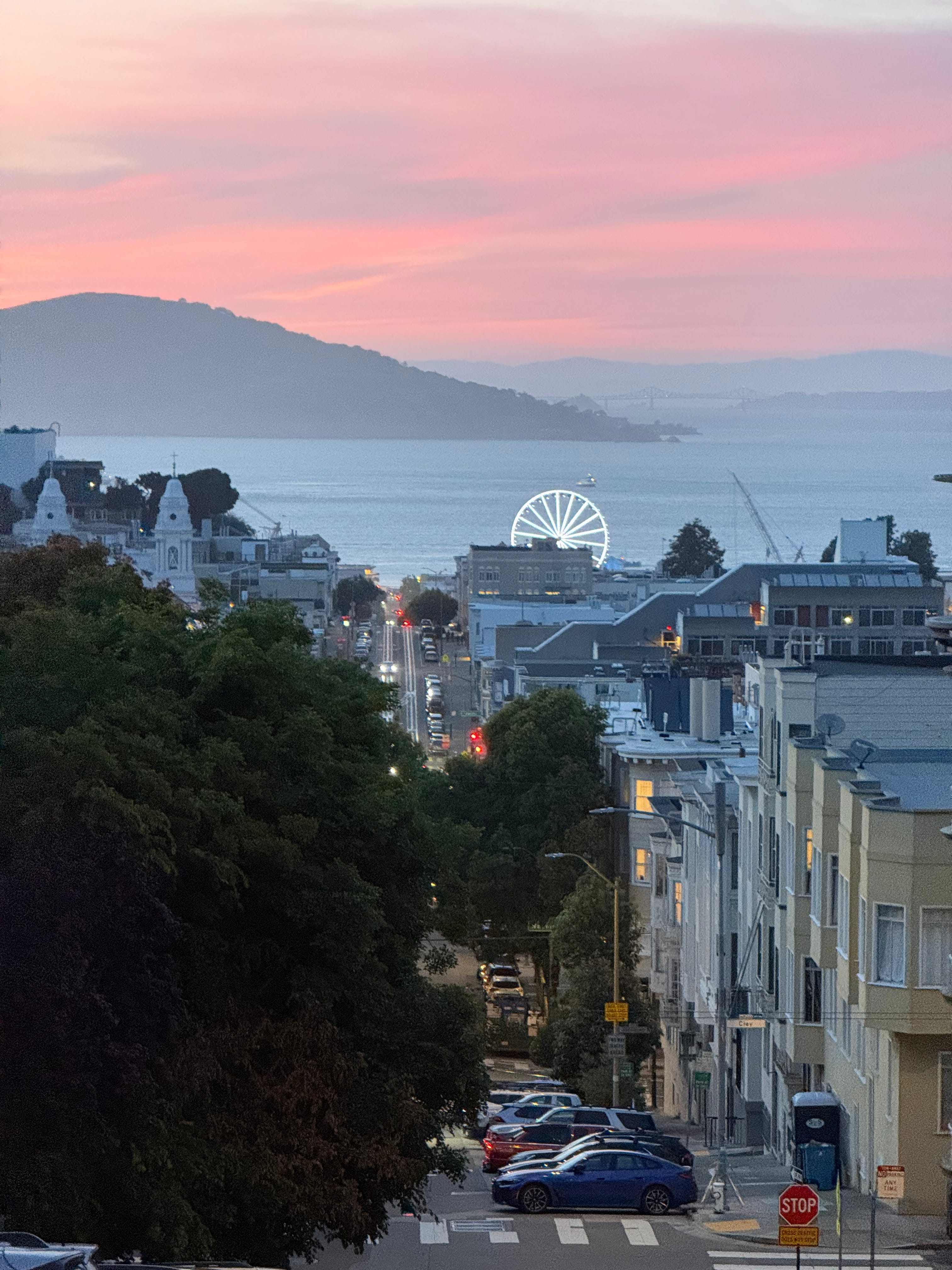
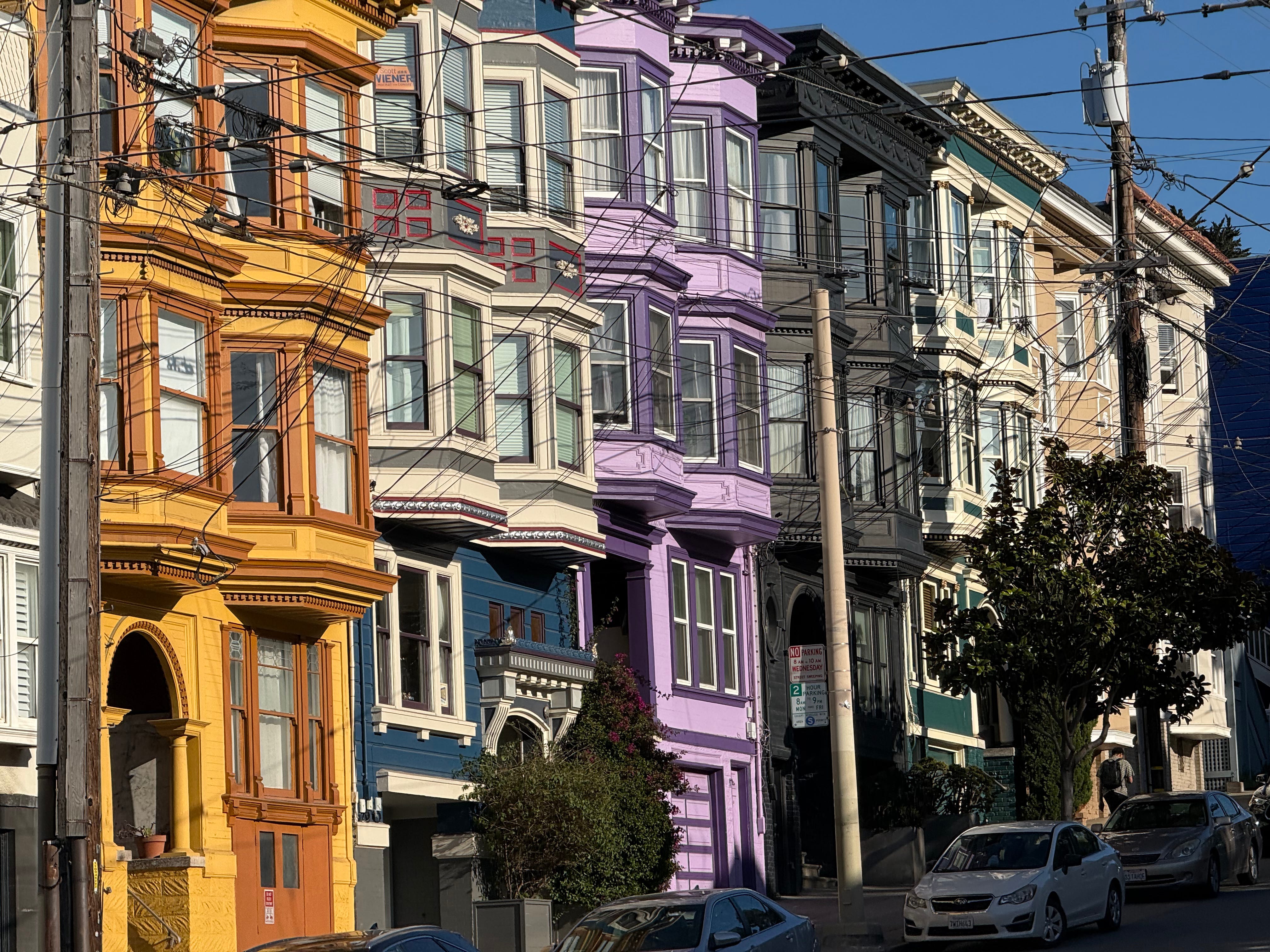
All of these layers are still present in different forms, sometimes visible, sometimes just beneath the surface. Walking through it feels like moving across a living Pantone palette: row houses shift colour block by block—pastels, faded greens, grey-blues, pinks and reds, unexpected combinations that are aesthetically pleasing.
Life here often feels slow and almost serene in places, in that very Californian way, until it’s broken by the ear-splitting sound of the old-school San Francisco cable car system. Still pulled through the city by human operators, they grind up impossible hills with visible effort; you hear the mechanism before you see it, feel every incline as it passes, and nothing about it is frictionless. Then, just as quickly, things settle again into a different kind of quiet, shaped more and more by driverless Waymos that glide through the streets with barely a sound.
A city that keeps moving, but shifts between effort and ease, between human and automated, between struggle and something almost too polished to notice.
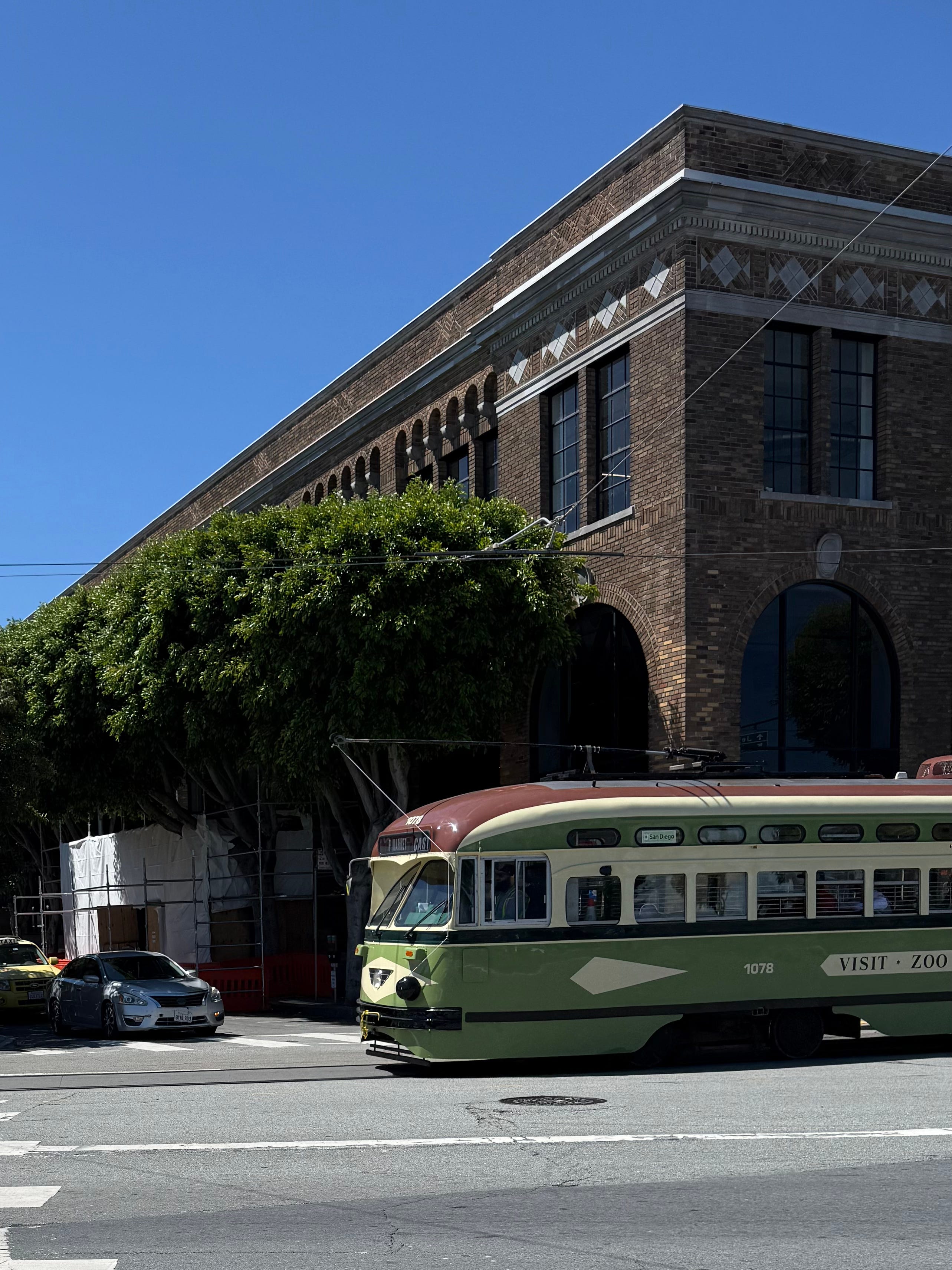
I spent 5 days in the city, and this is a small collection of things that stood out to me.

Where to Walk and Why It Matters
Chinatown (go beyond the obvious)
Start in Chinatown, but don’t stay on Grant Avenue. The real life of the neighborhood is around Stockton Street, which is filled with markets, narrow alleys, and everyday routines that aren’t staged for visitors.
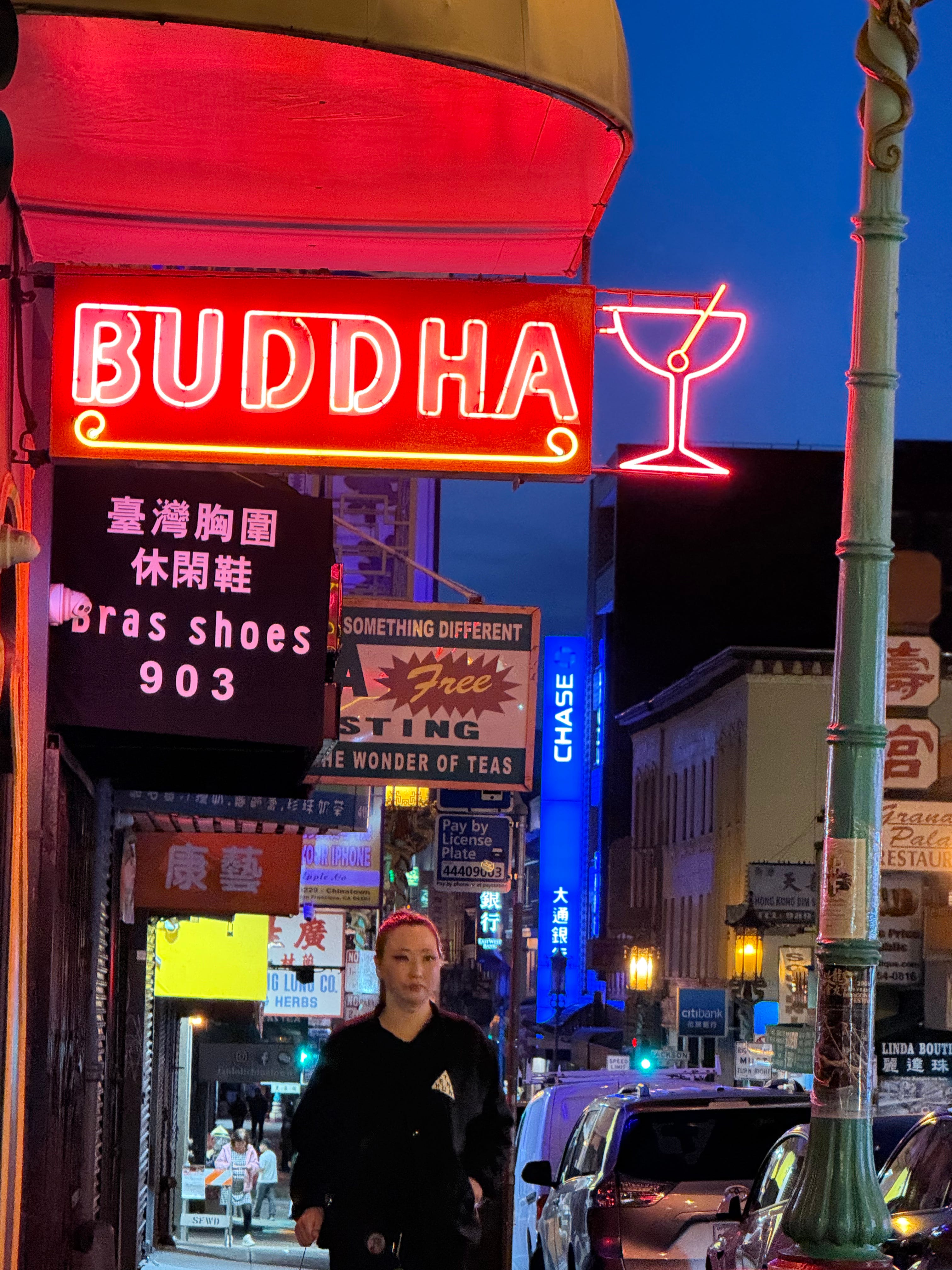
At the center sits Portsmouth Square, often called the “Heart of Chinatown.” It’s the city’s oldest park and still functions as one of its most important social spaces. You will probably see people play chess, cards, and mahjong.

The Mission District (politics on walls)
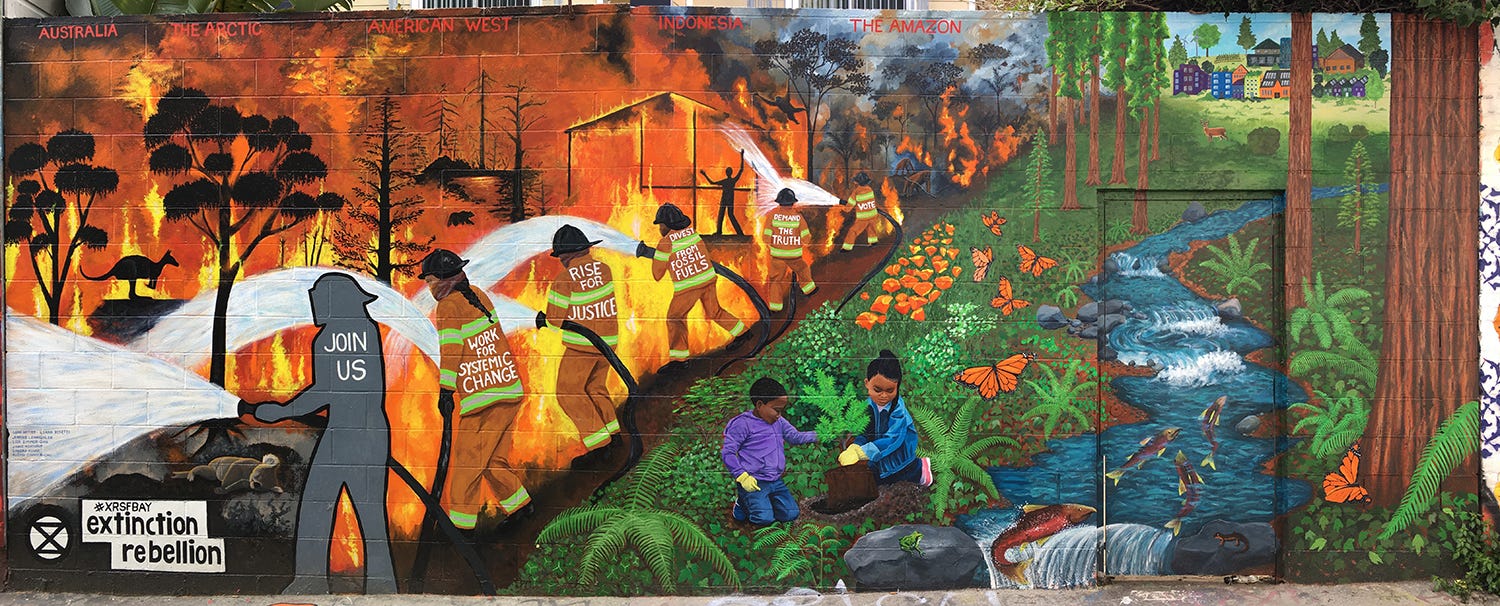
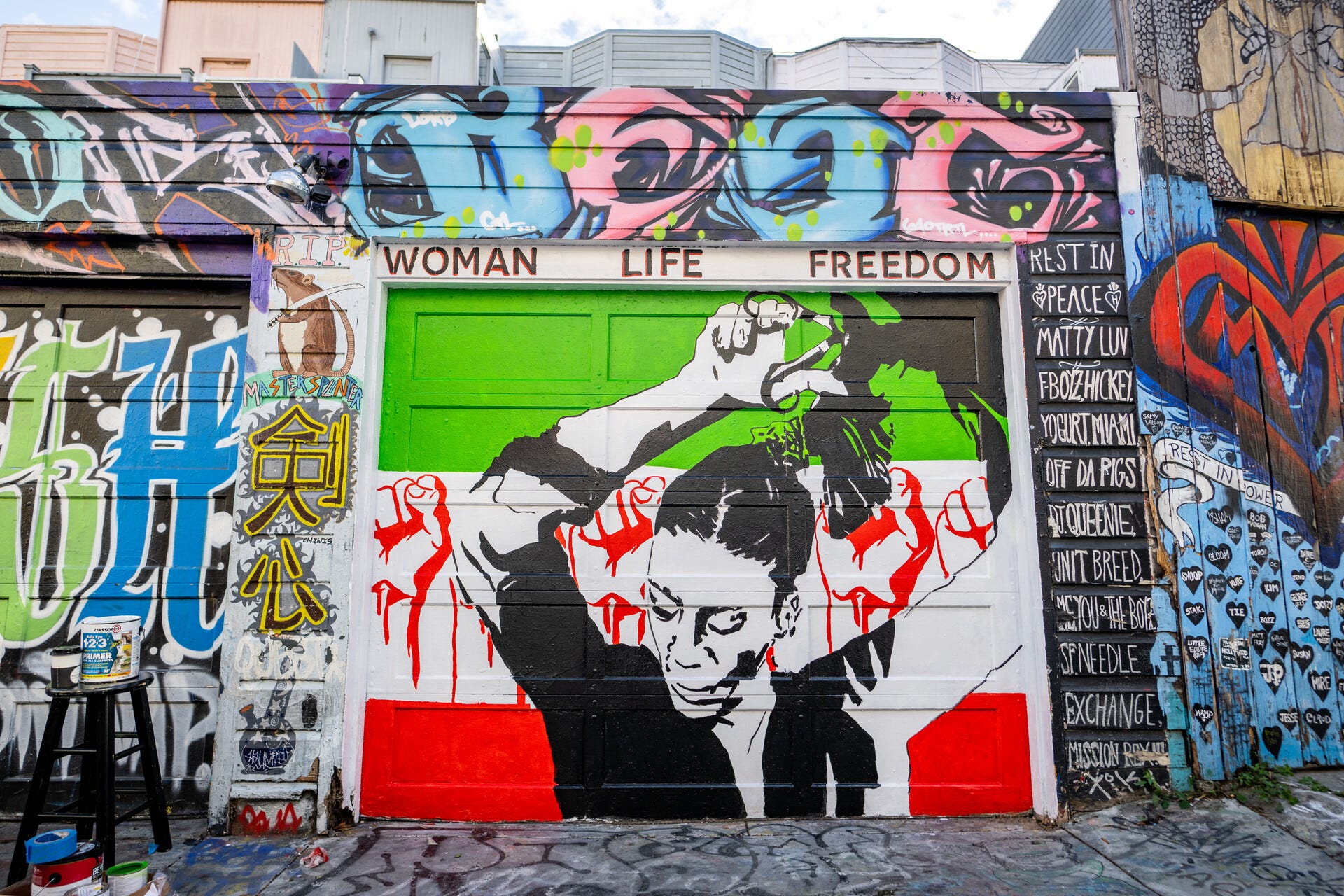
The Mission District is best understood through its murals. Walk Balmy Alley and Clarion Alley, probably the most explicitly political outdoor art in the city. The walls speak directly: immigration, labour struggles, housing, policing, Latin American politics, gentrification. If you slow down enough, the neighbourhood reads like a public archive.

Haight-Ashbury (what remains of counterculture)
Haight-Ashbury is still full of secondhand vinyl, books, zines, and independent shops. It’s less “Summer of Love” and more a scattered archive of it, but the texture is still there.


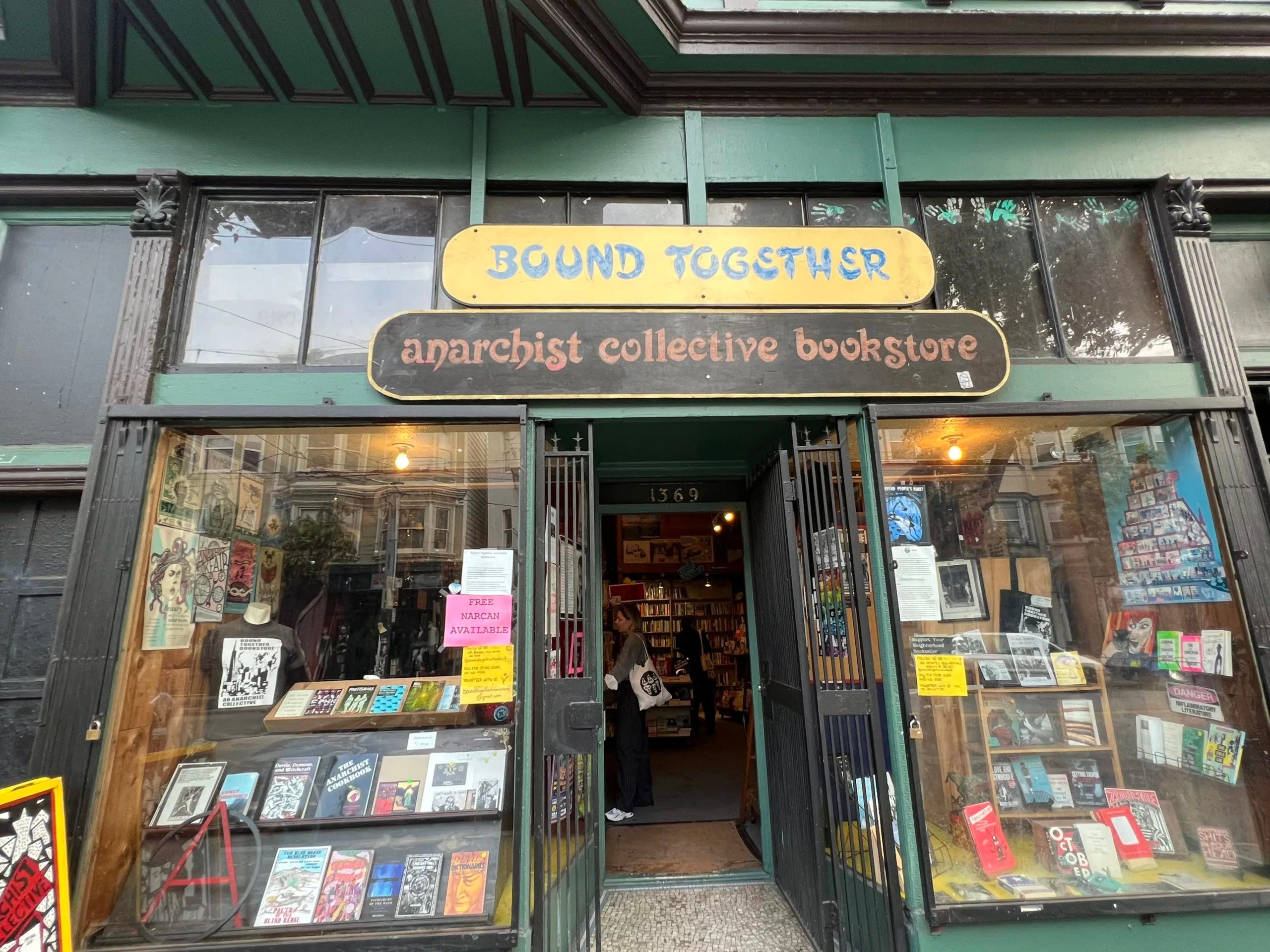
Bound Together collective-run Bookstore is worth a long stop if you’re into anarchist political writing and independent publishing.

The Castro (history you should actually know)
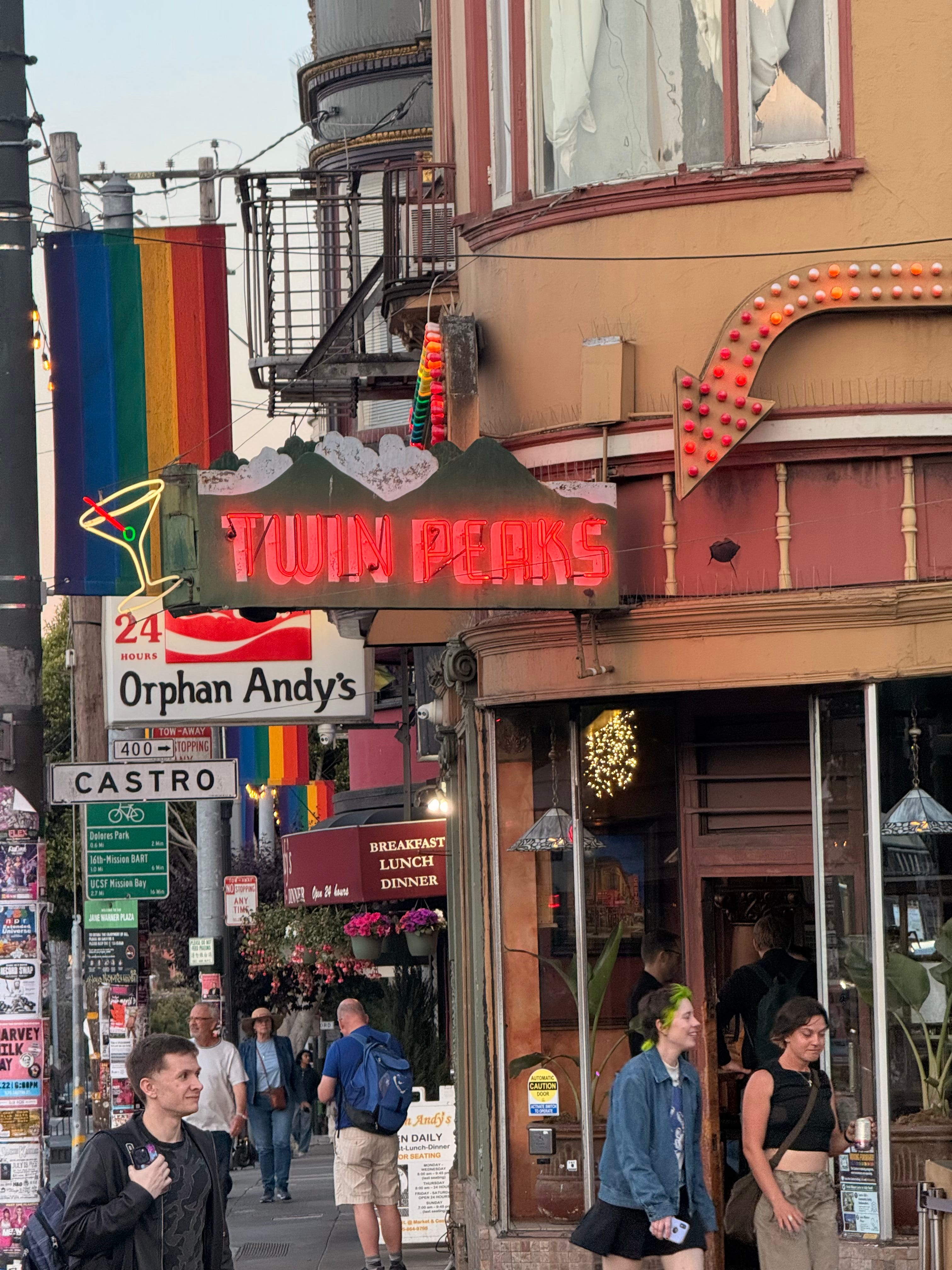
The Castro District isn’t just a colourful neighbourhood. It’s one of the most important sites in LGBTQ+ political history in the US. The context changes how you see it entirely. At its center is Harvey Milk Plaza, dedicated to the civil rights leader who helped shape that movement.

The Waterfront (Embarcadero / Market Street Edge)
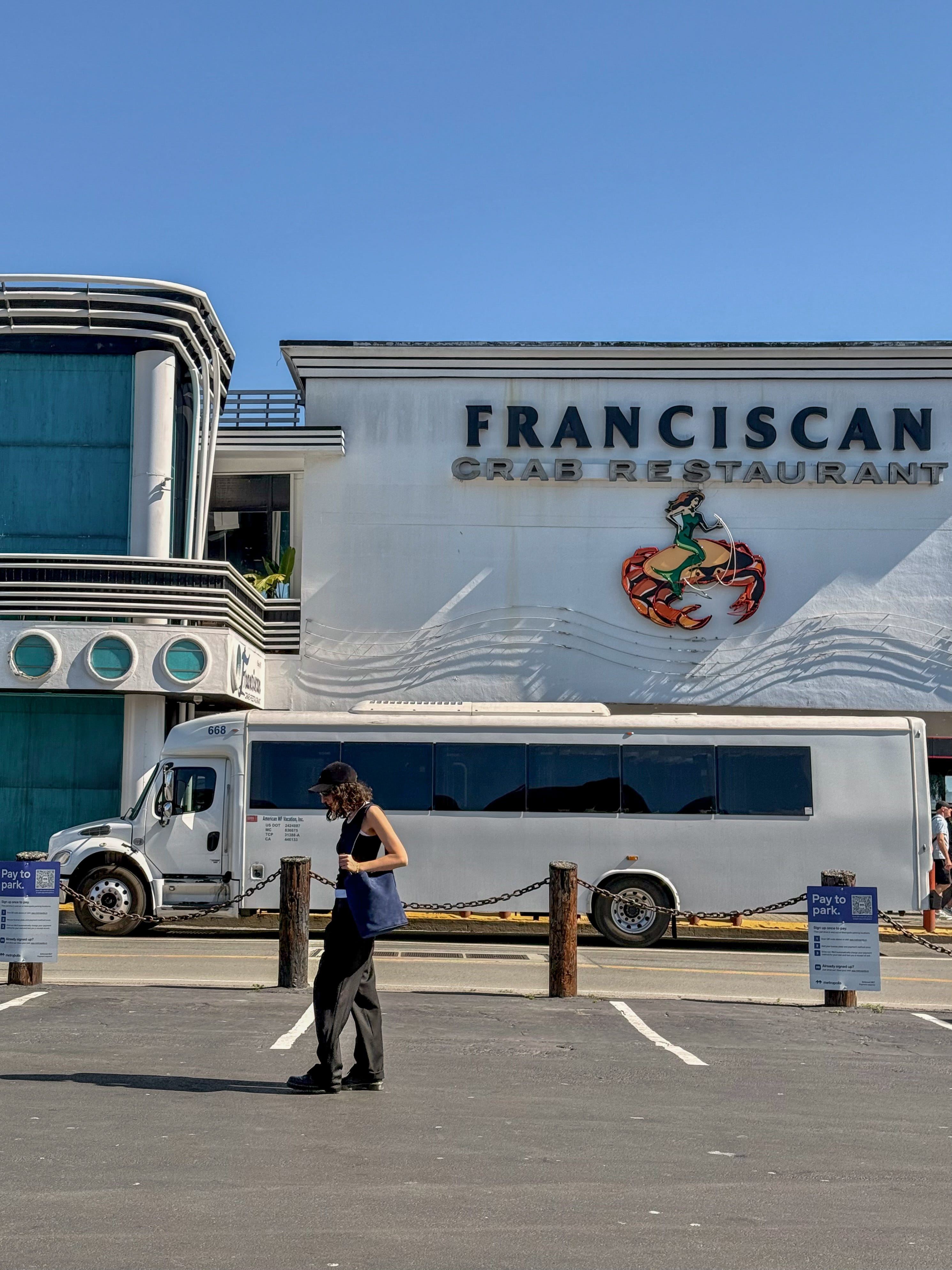
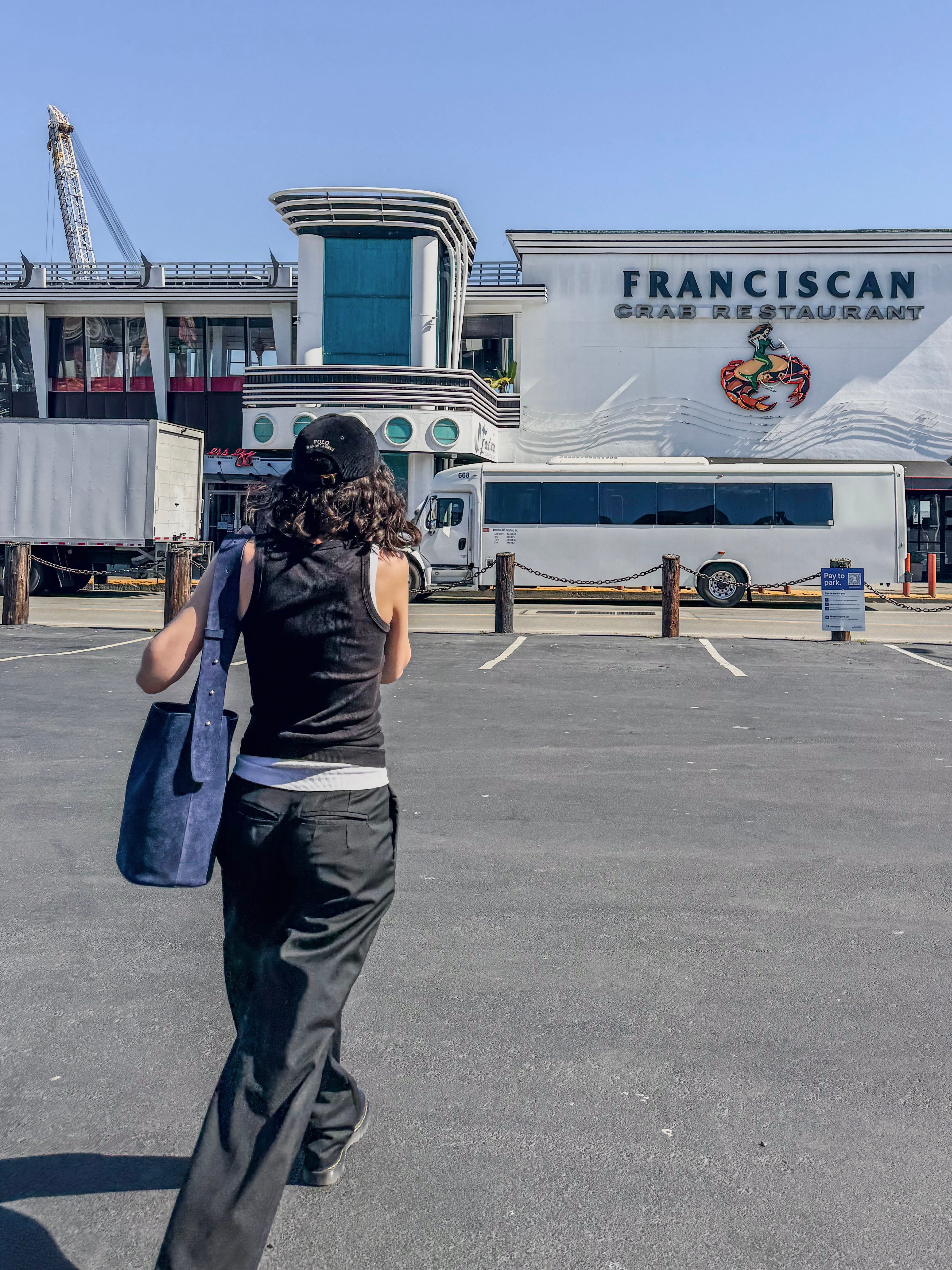
Walk the Embarcadero between the Ferry Building and Pier 39, and loop around the nearby waterfront edge of Market Street. The 1934 West Coast waterfront strike centered on these docks, escalating into “Bloody Thursday,” when police killed striking workers, and then into a citywide general strike involving around 150,000 people that briefly shut San Francisco down. There are still small plaques and commemorations around the waterfront tied to dockworker unions and “Bloody Thursday,” but they’re easy to miss unless you’re looking for them.

Lands End Trail
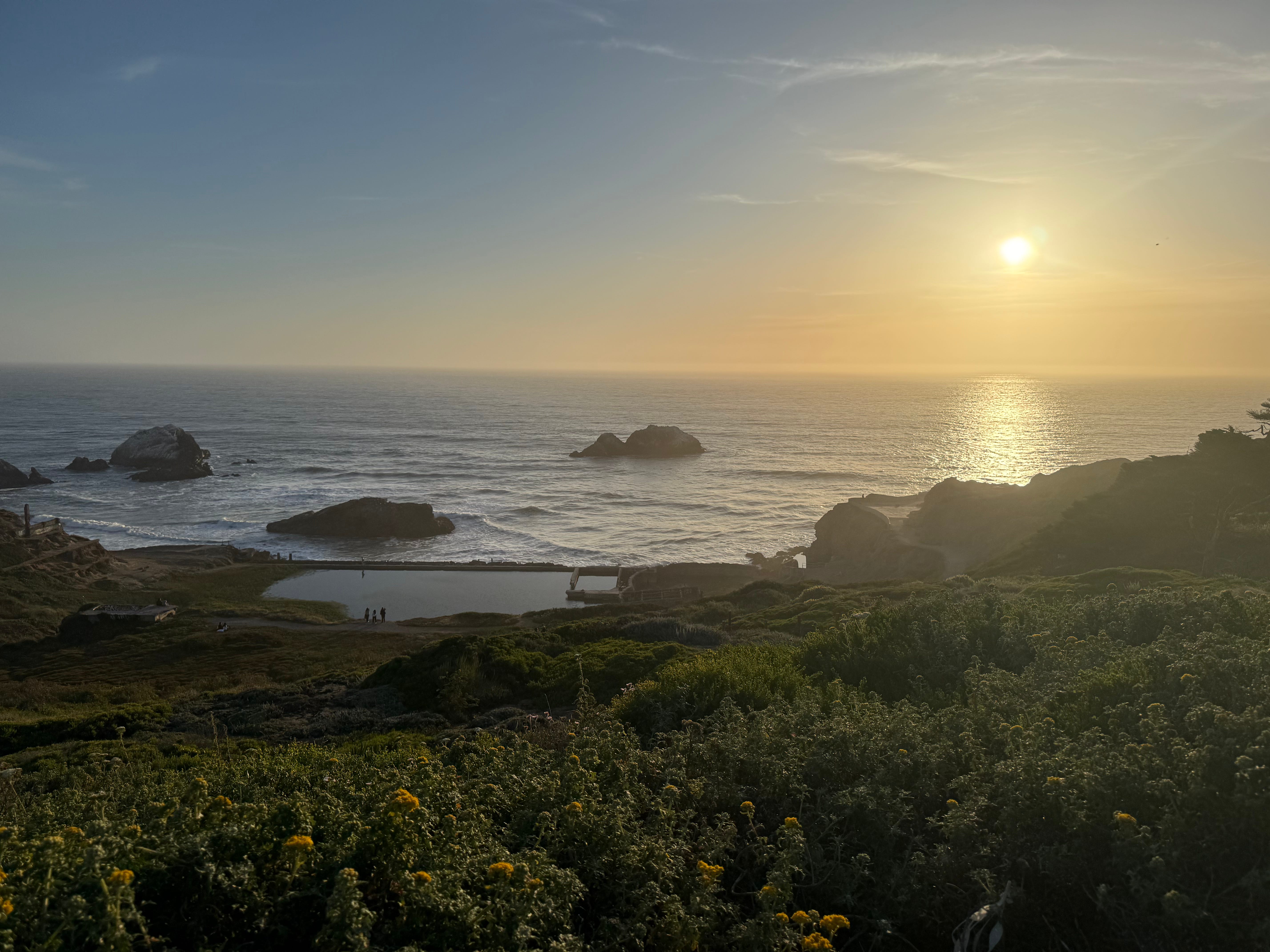
This is the place to end the day. Cliffs, wind, and the Pacific ocean opening up at Mile Rock Beach at sunset.

Sunset District (the reset)
Sunset District stretches out into residential grids and pastel houses. After the intensity of the inner neighborhoods, it feels almost like the city exhaling.

What to Eat (Don’t Overthink It)
San Francisco eats like a port city because it is one. Start in the Mission with Mexican taquerias and pupuserias; this is where California’s Mexican heritage and the city’s large Mexican-American community really show up on the plate. The best places usually aren’t the ones being shouted about online, just the ones that have been there long before the neighbourhood became a “food destination.” In Chinatown, don’t skip the bakeries for egg tarts, sponge cakes and cocktail buns. Burmese food is also one of the strongest scenes in the US, quietly excellent and often overlooked. And you don’t really leave San Francisco without eating seafood. Dungeness crab, cioppino, oysters, crab rolls; this is the local rhythm. The real point in SF is not to “find the best cuisine,” but to keep switching between them.
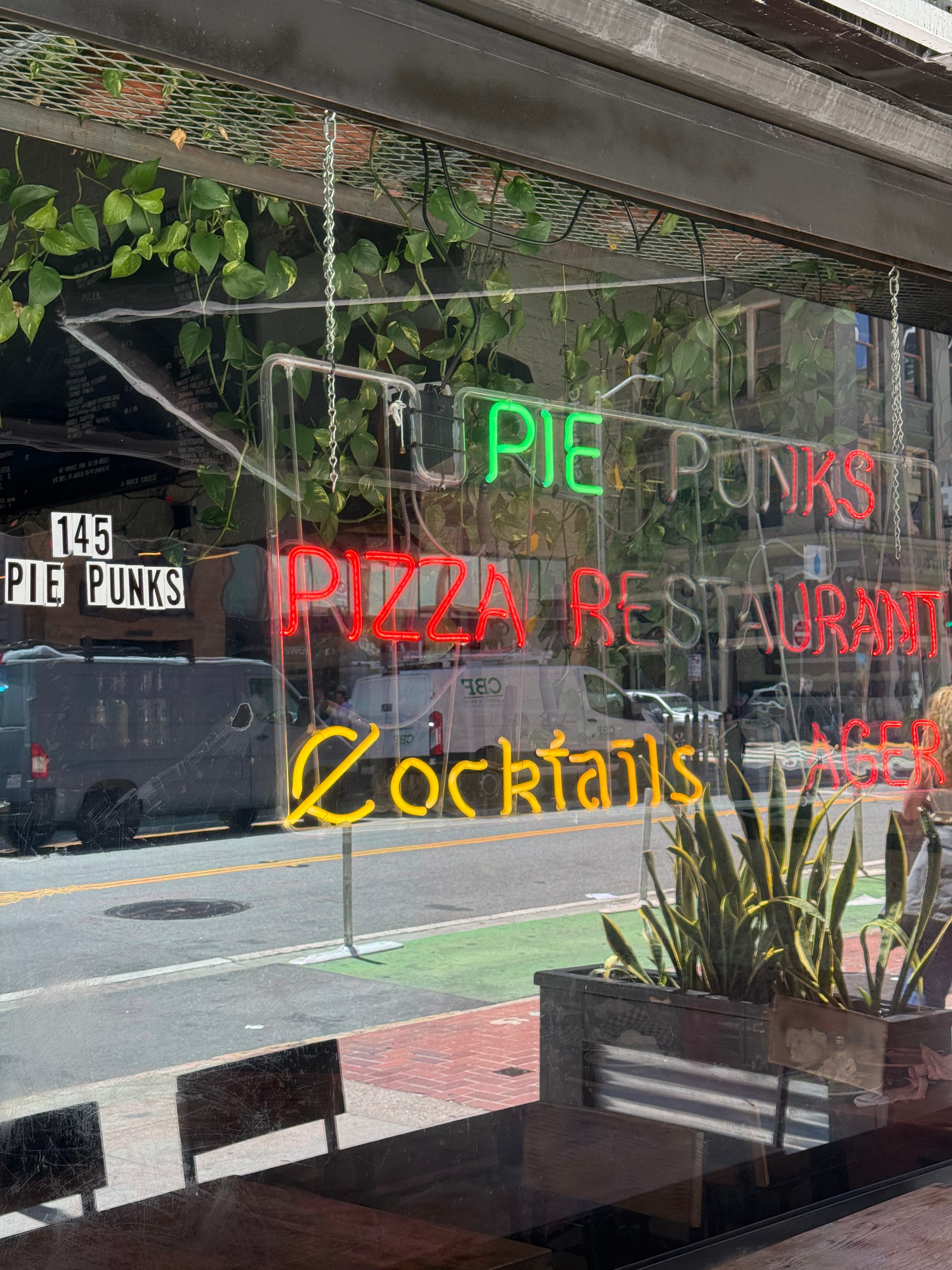
If you want some specific food stops:
Golden Boy Pizza & Pie Punks: for classic, no-frills slices
Via Aurelia & Penny Roma: for more polished Italian
Judahlicious: an easy vegan/vegetarian option
Nopa Fish (Ferry Building): for simple seafood, done well
Yamo: for good Burmese food
Big Finish Wine Tavern: an easy evening stop
Dolores Deluxe: a corner grocery with genuinely very good sandwiches
Boon Fly Café: a kind of accidentally Wes Anderson–looking little barn. If you’re driving to Napa, it’s good for a BLT and mini donuts on your way

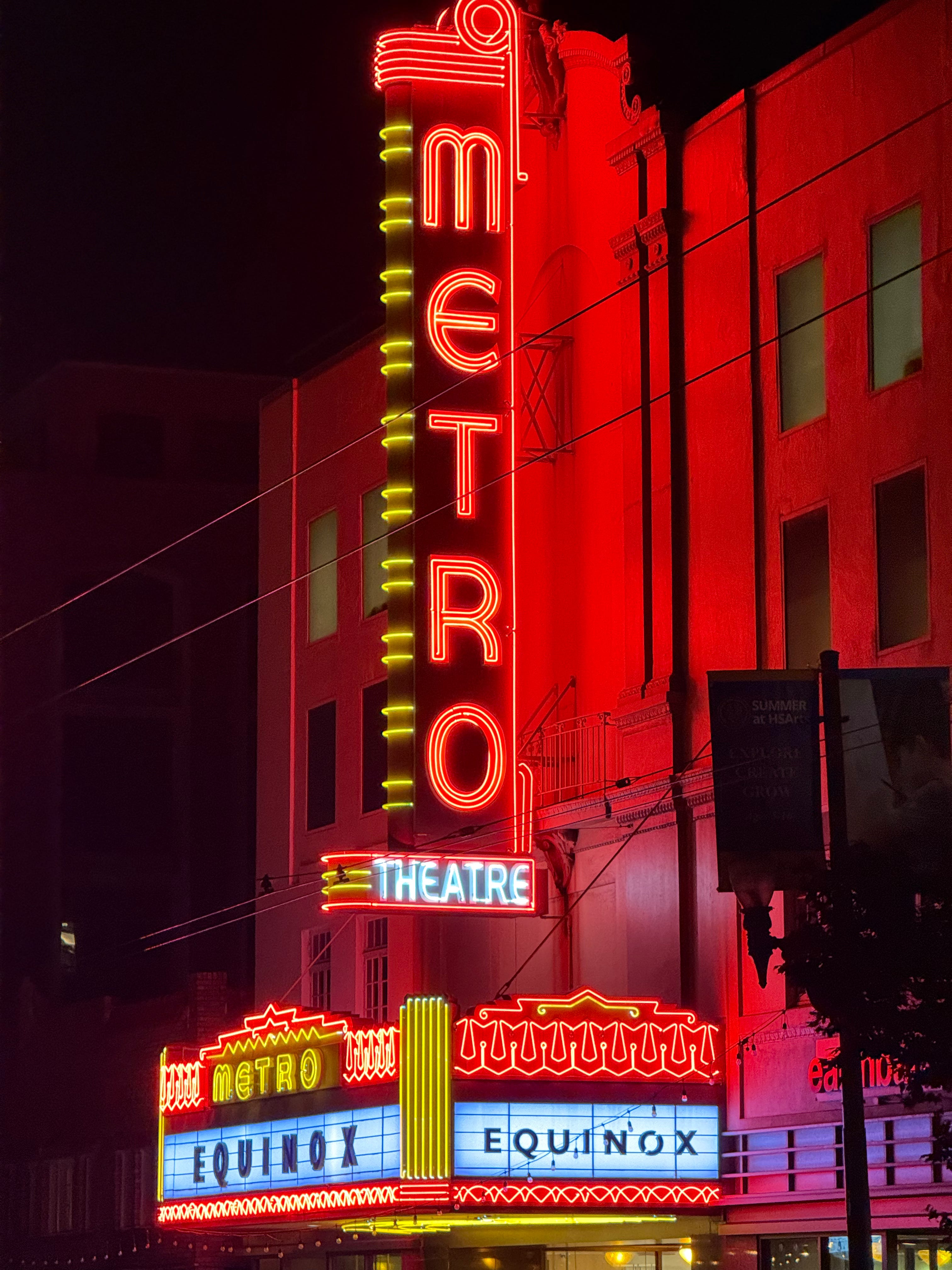
For drinks
The Royal Cuckoo and For the Record are solid, low-effort jazz bar choices for a night out.
And if you want something more specific, the San Francisco Tequila Shop is worth a stop just for the selection (an unusually good range of tequila and mezcal).

My Coffee Tip
Skip iced coffee unless you want diluted regret (here, it’s basically an XL cup of water with ice and a faint trace of coffee). Simple single espresso is the safer move here if you are a true caffeine-addict like me.
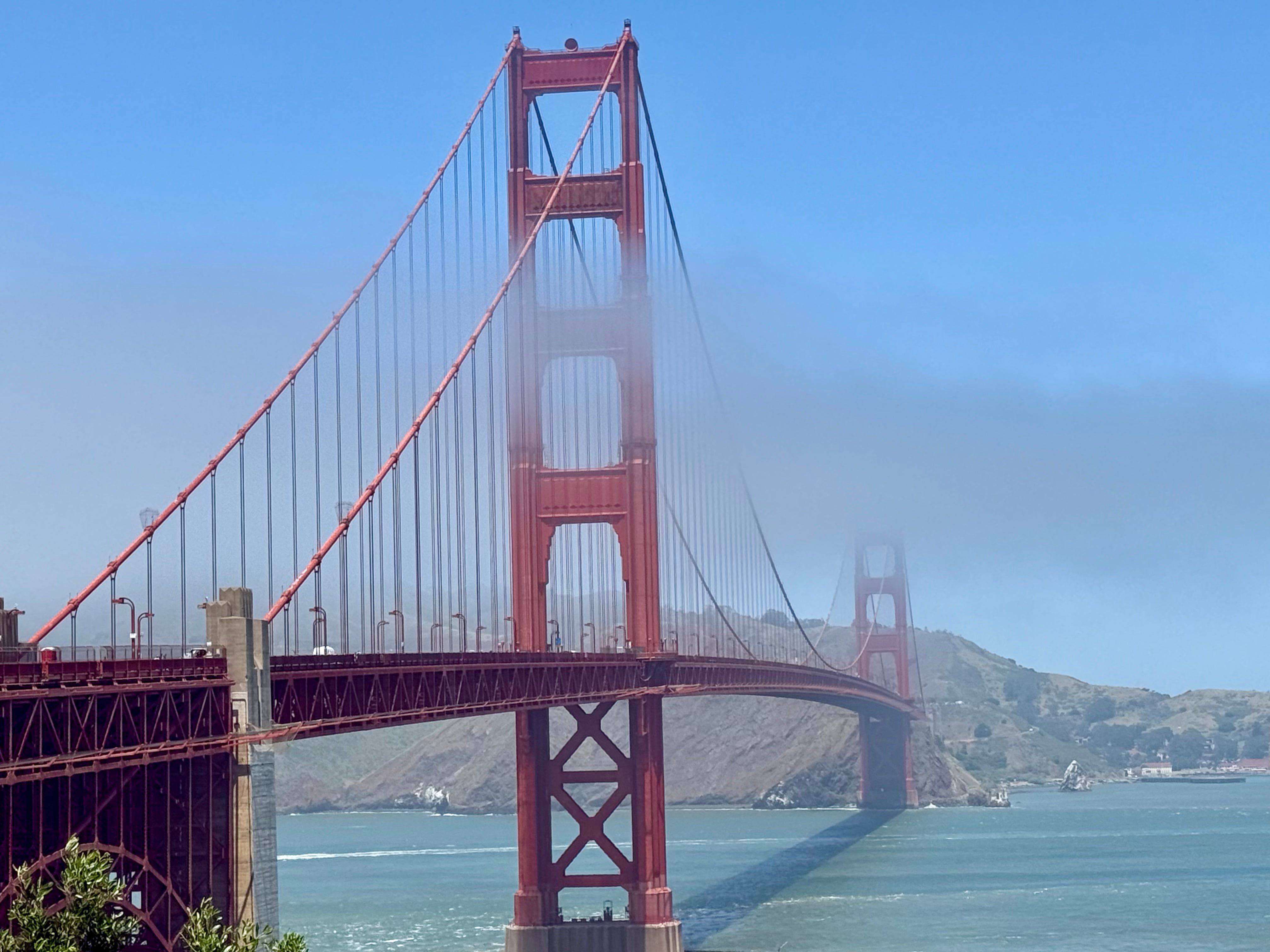
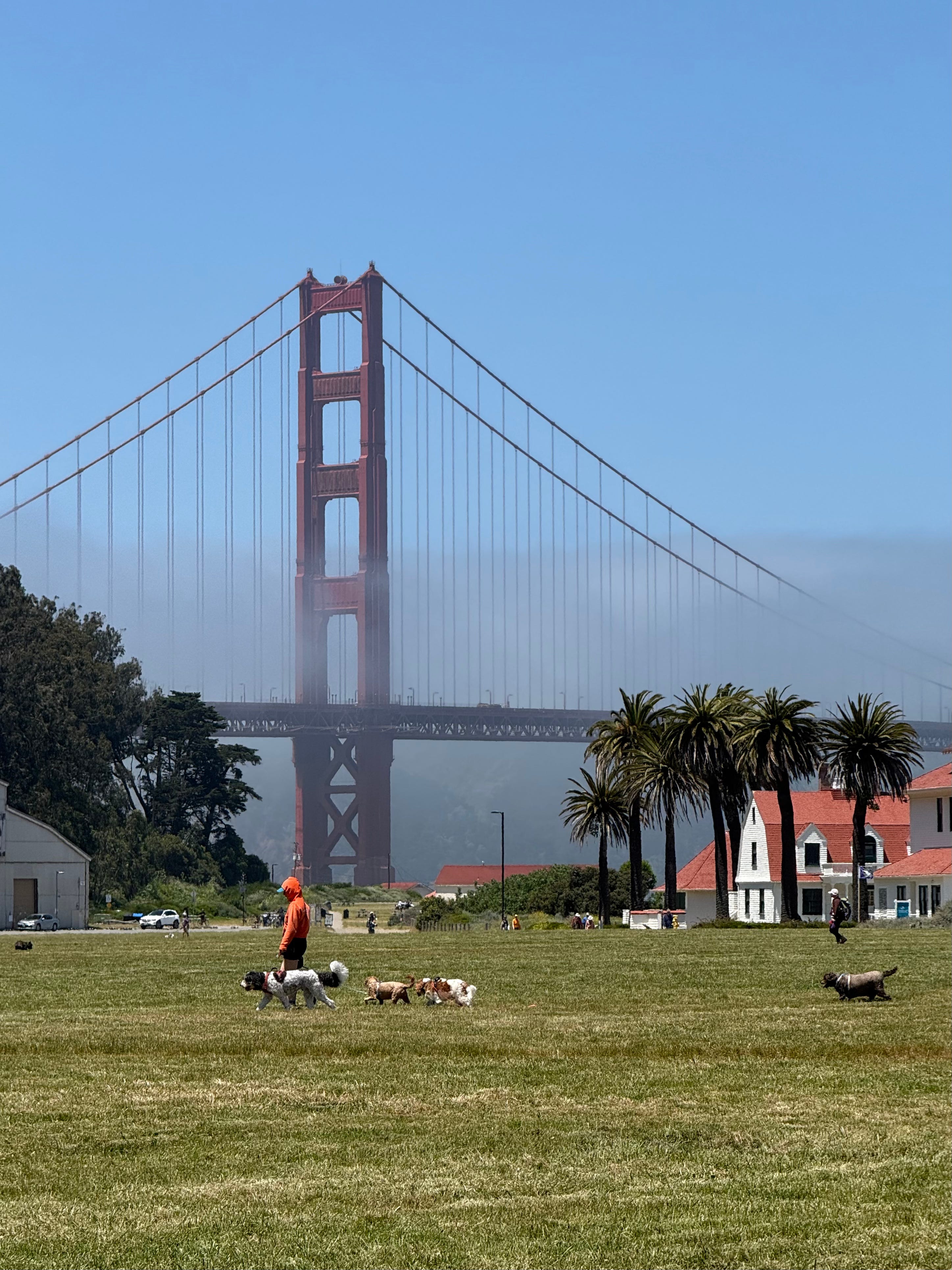
But if you only do one coffee stop, make it the Round House Café at the edge of the Golden Gate Bridge. The coffee is fine, but the view is the real reason you’re there, probably one of the best you can get of the bridge.

Worth to See
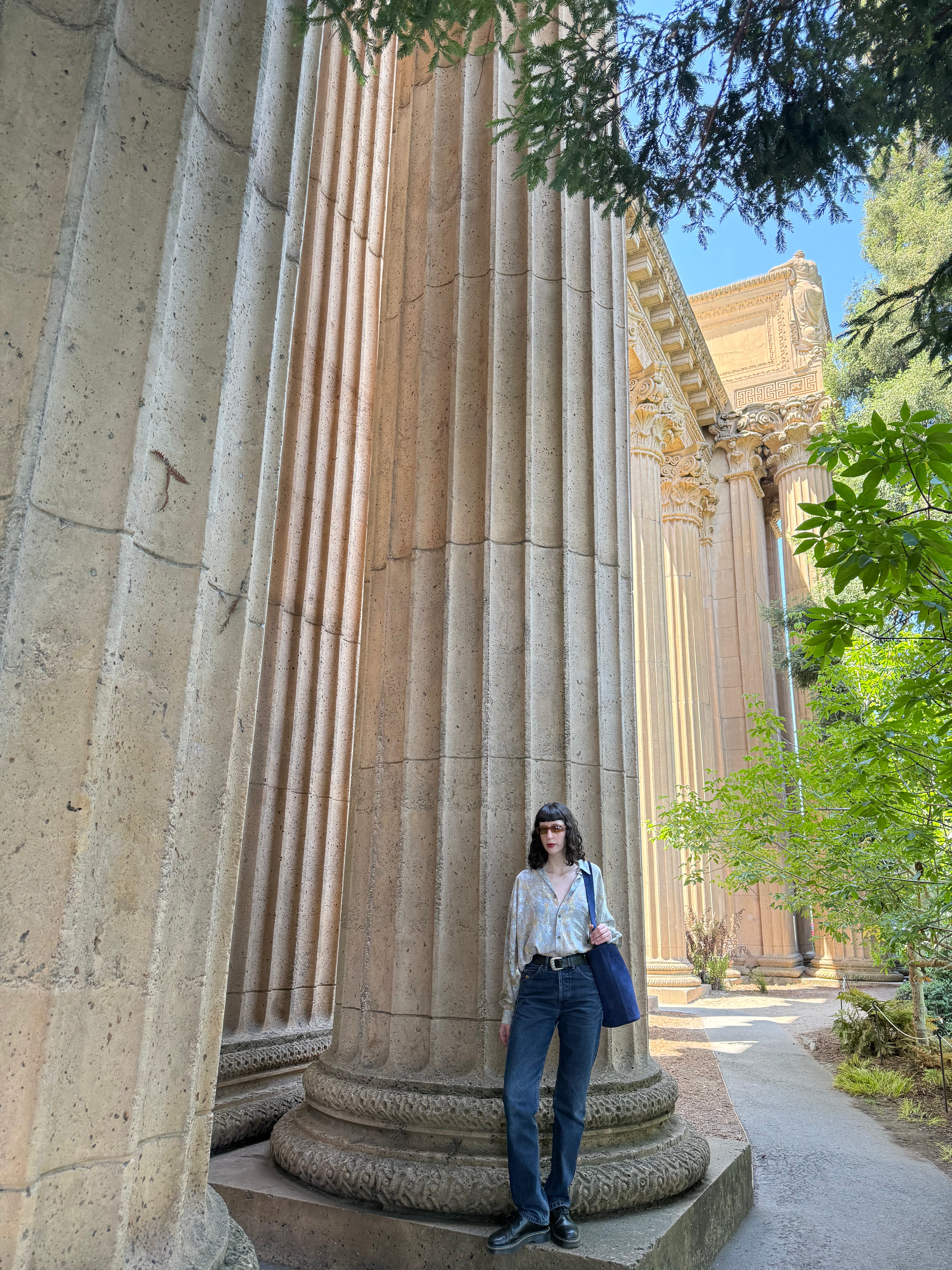
From the Round House Café, you can optionally continue to the Palace of Fine Arts. It works better as a visual stop than a full experience.
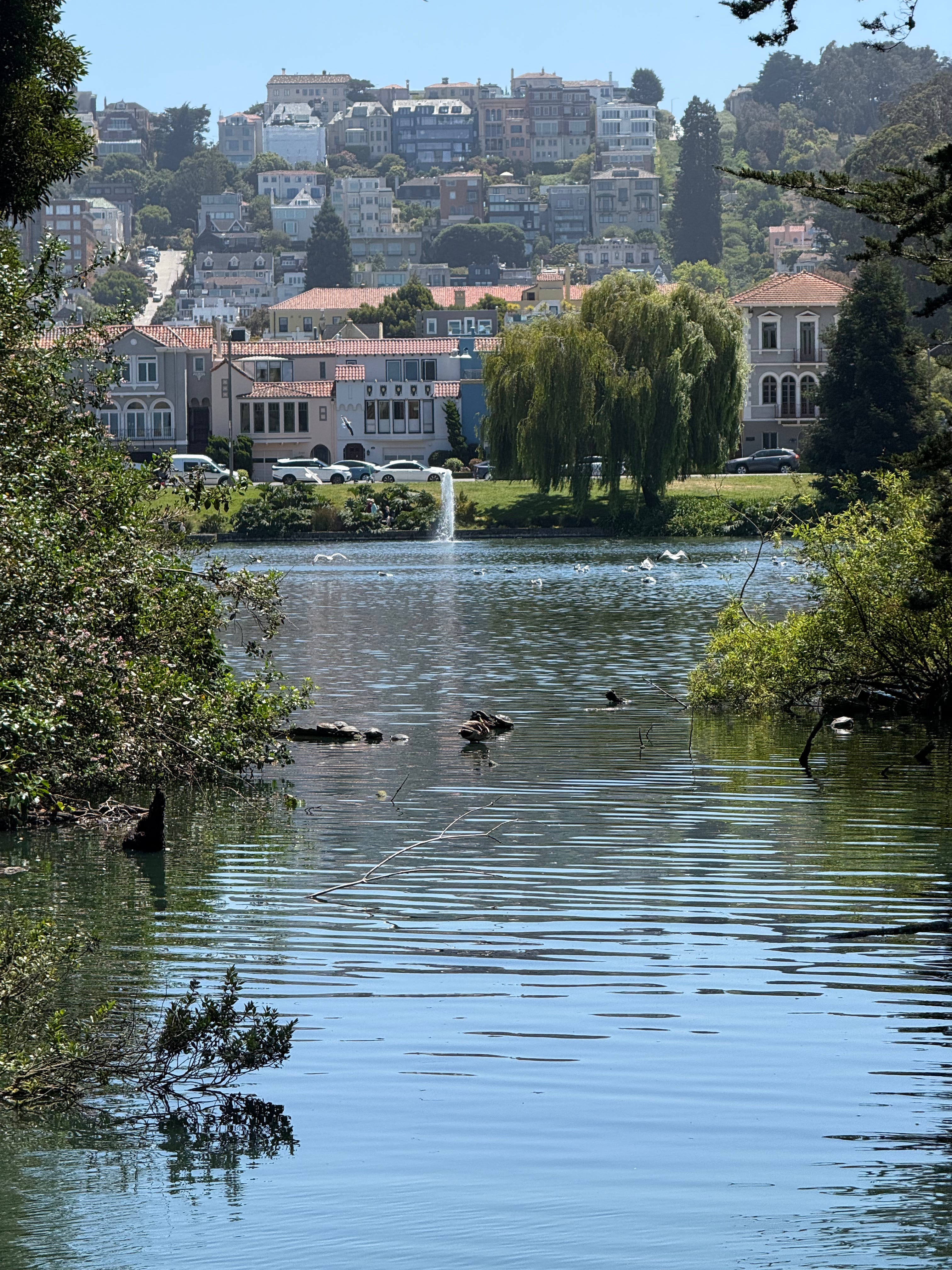
The easiest route is a walk through Crissy Field (flat, open, and right along the water) with the Golden Gate Bridge gradually fading behind you as you move east.

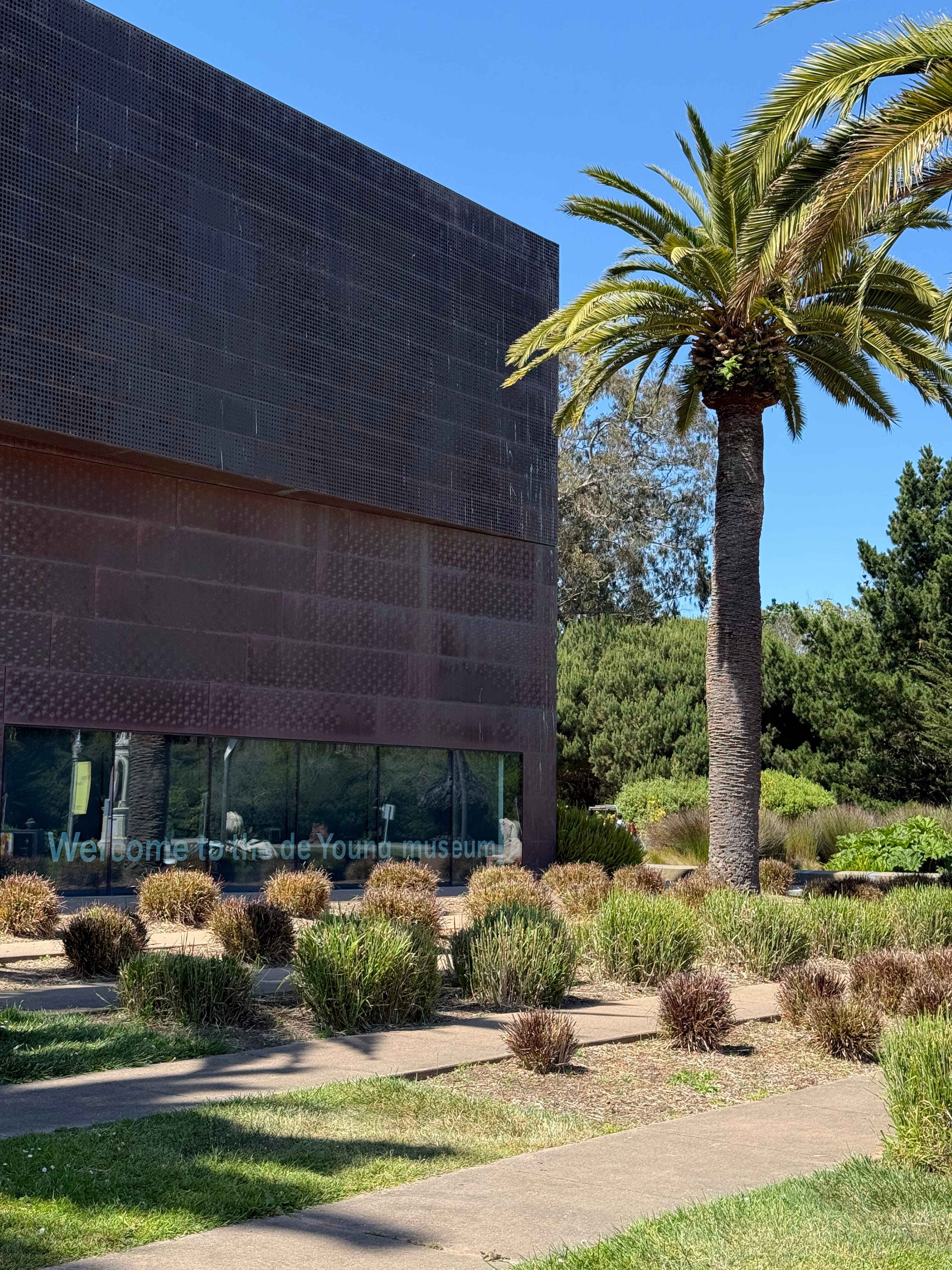
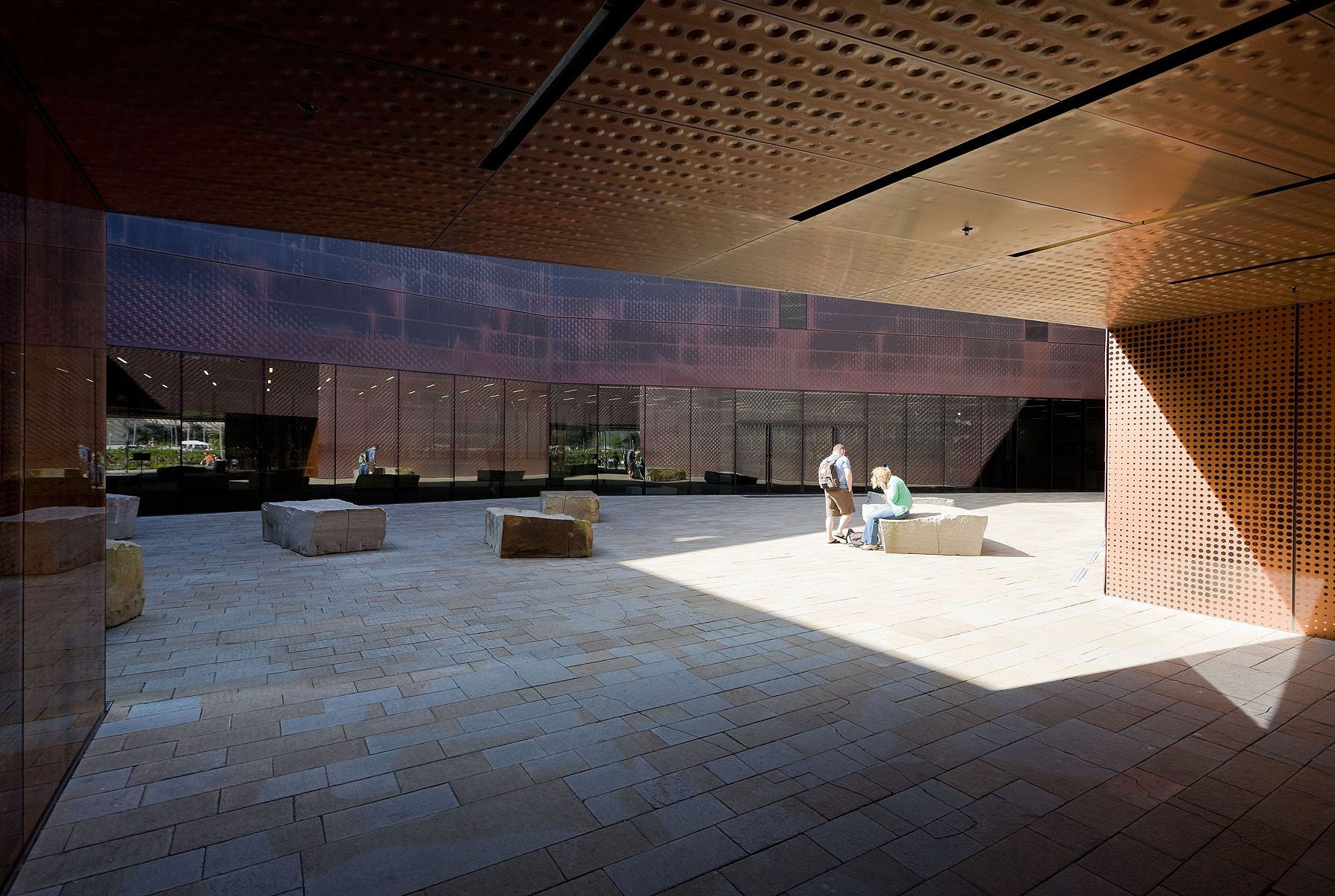
The de Young Museum is absolutely worth a visit. It brings together collections from all over the world, spanning everything from contemporary works to ancient pieces. It doesn’t feel narrowly focused, and that’s what makes it interesting; it’s more like a broad, layered conversation between cultures rather than a single narrative.



The International Hotel Manilatown Center is one of the more important historical stops. The fight against eviction here became a landmark moment in Asian American organizing and anti-displacement activism.

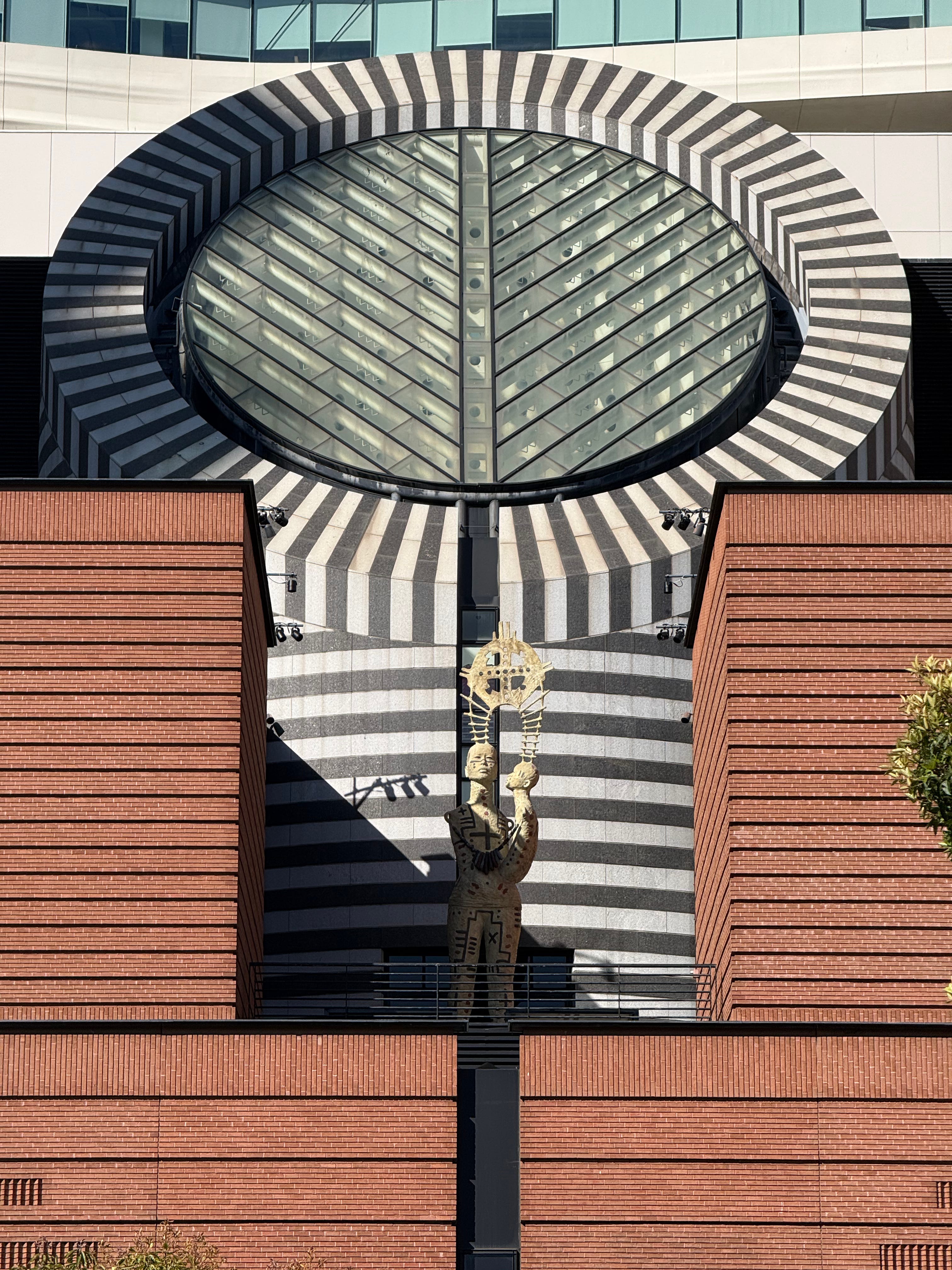
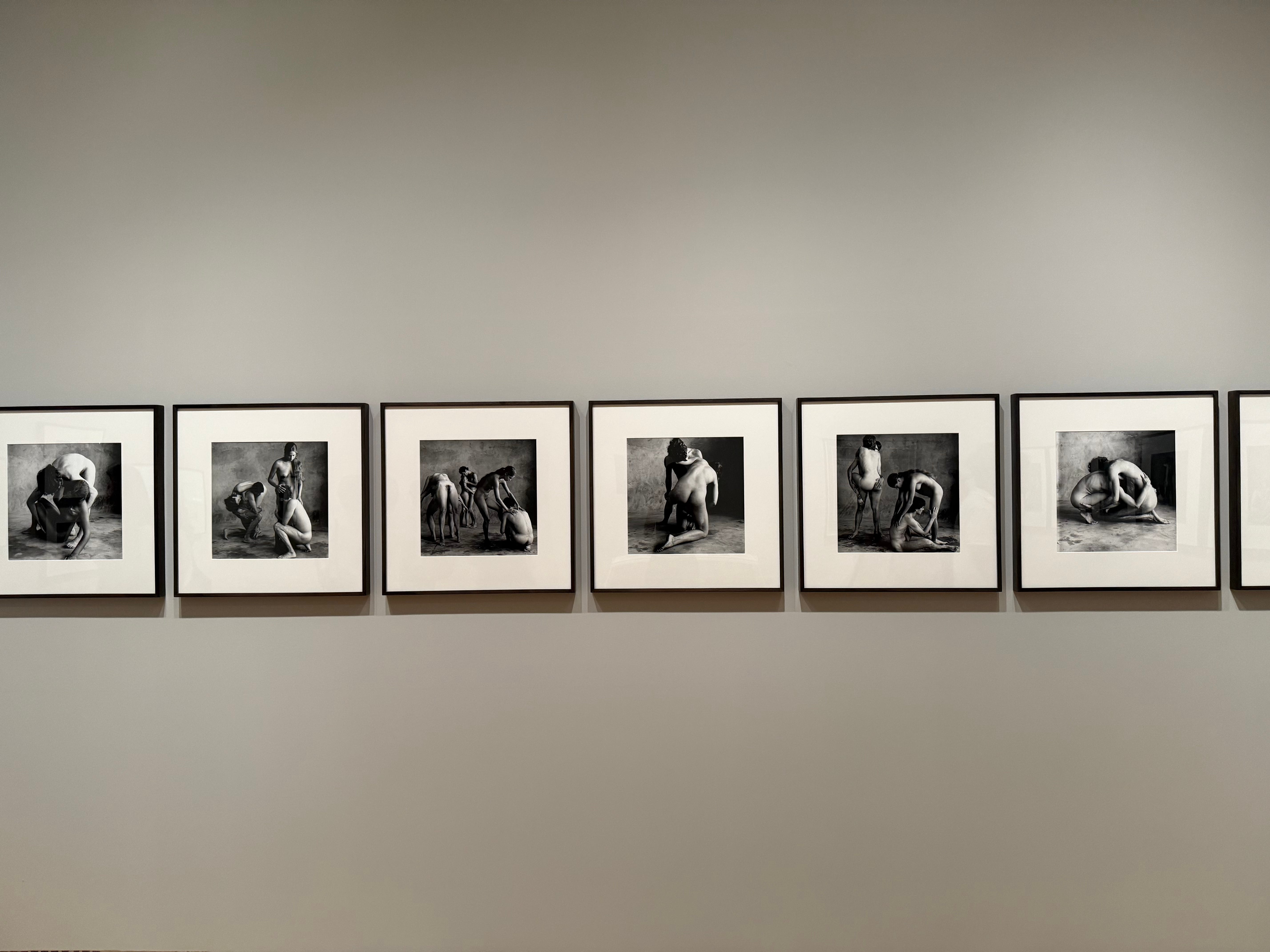
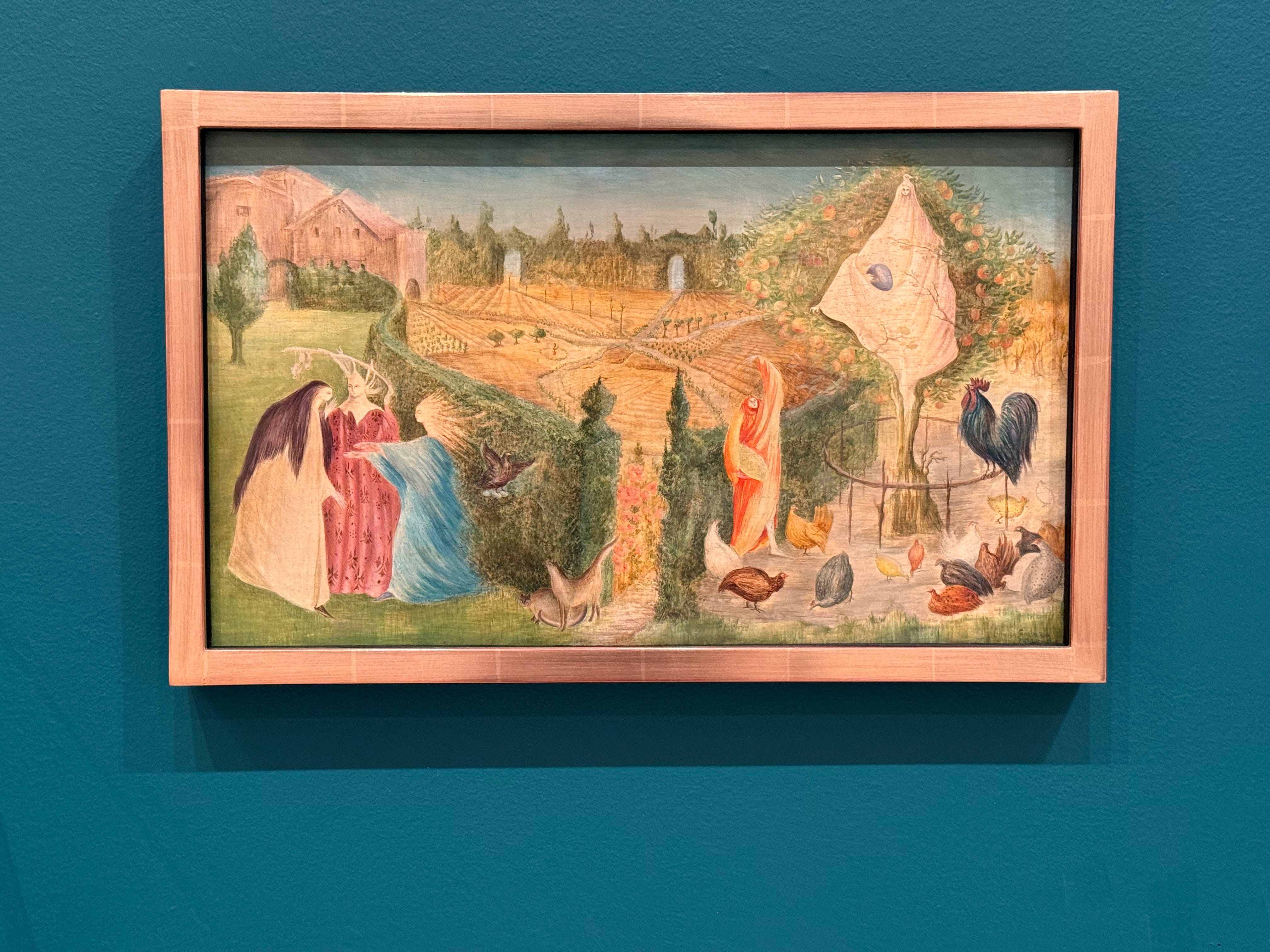
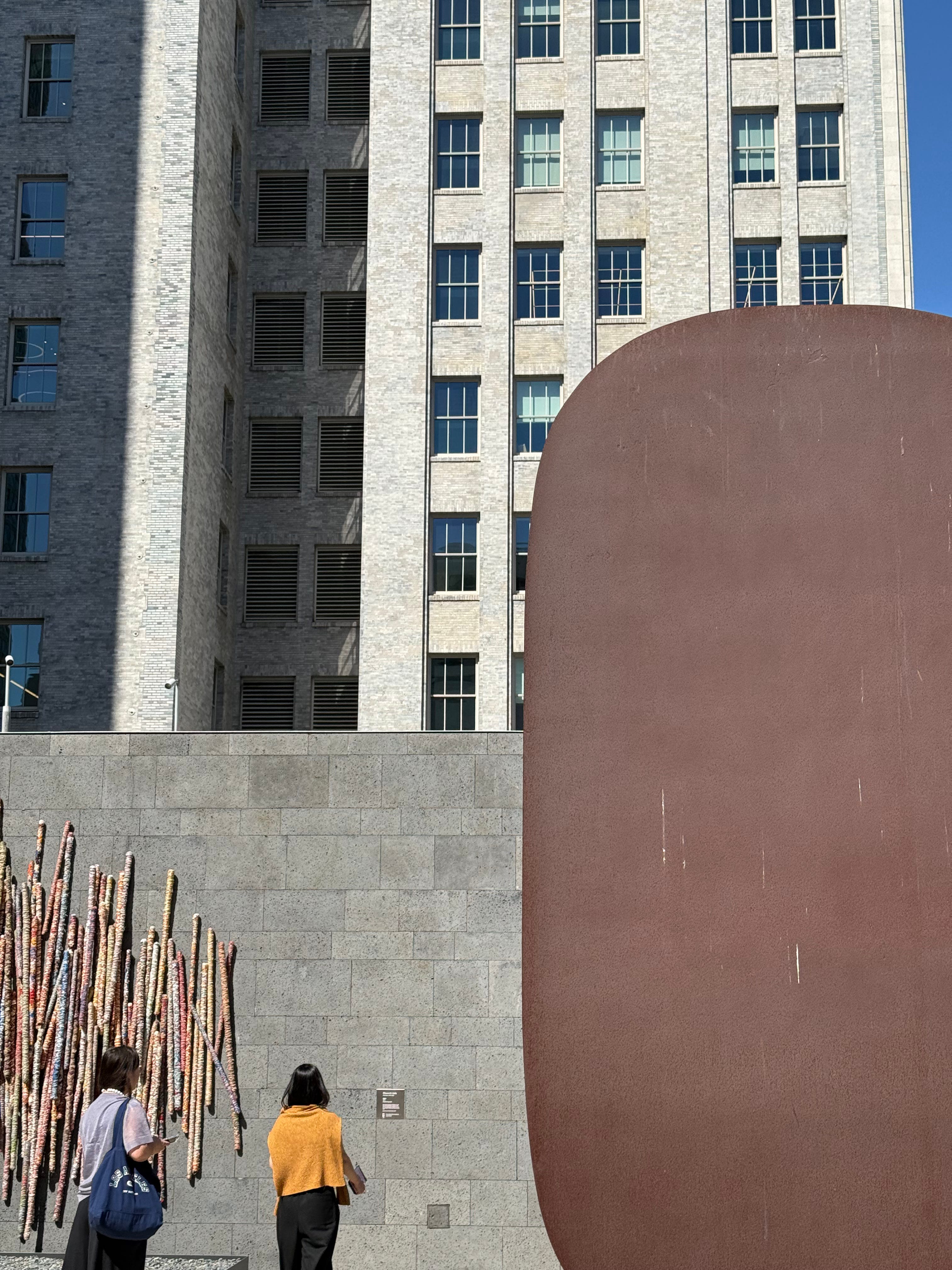
As for the San Francisco Museum of Modern Art, expectations help here. It’s a solid museum and you’ll absolutely come across major artists and genuinely great works, but don’t go expecting a mind-blowing New York MoMA experience. The scale feels different, even if the ticket price doesn’t.



The City From Above
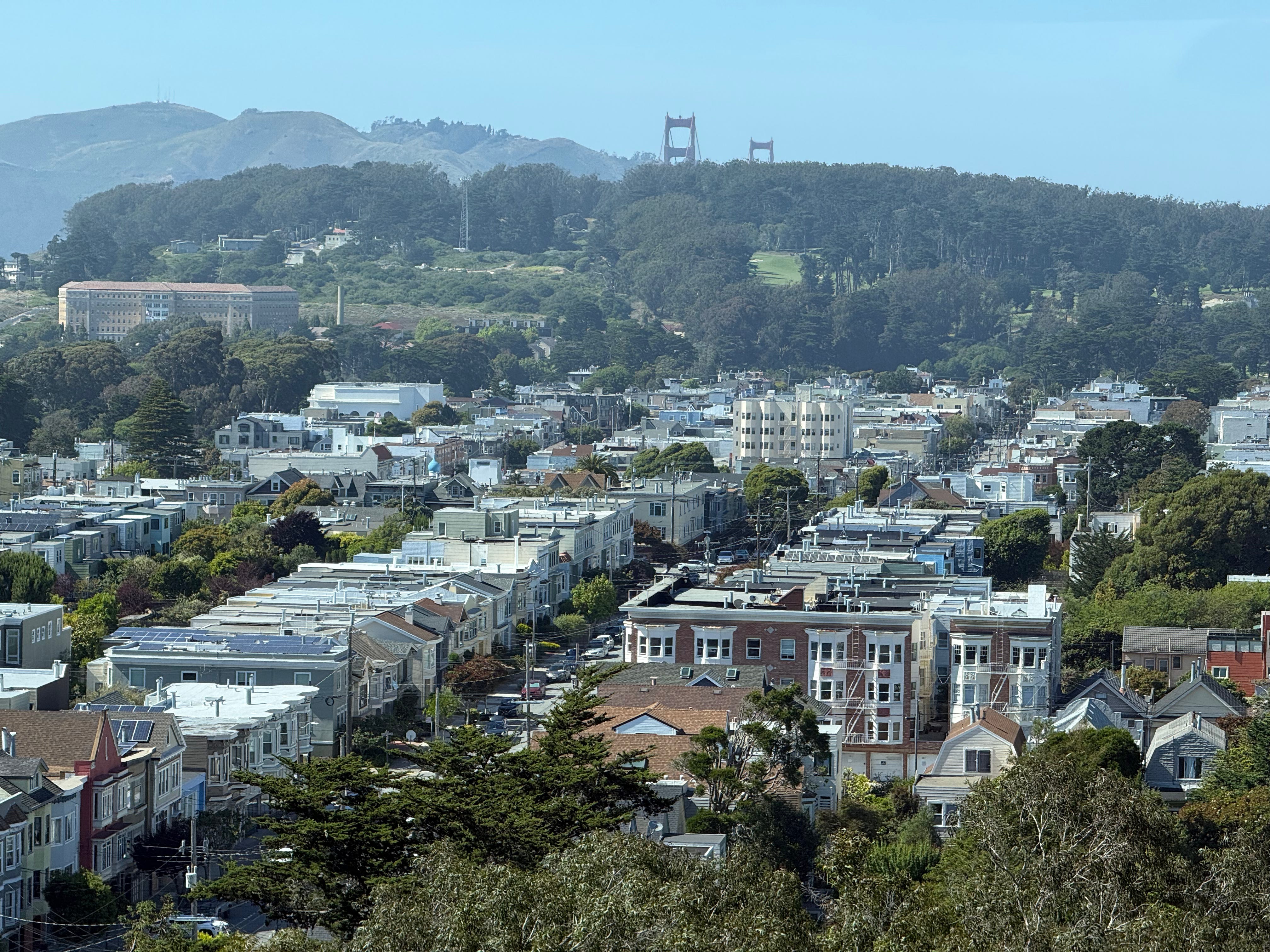
Twin Peaks, (not to be confused with the authentic Lynchian one in Washington State #iykyk), is basically a hilltop view where the entire city suddenly lays itself out in front of you. Best at sunset or after the fog clears.

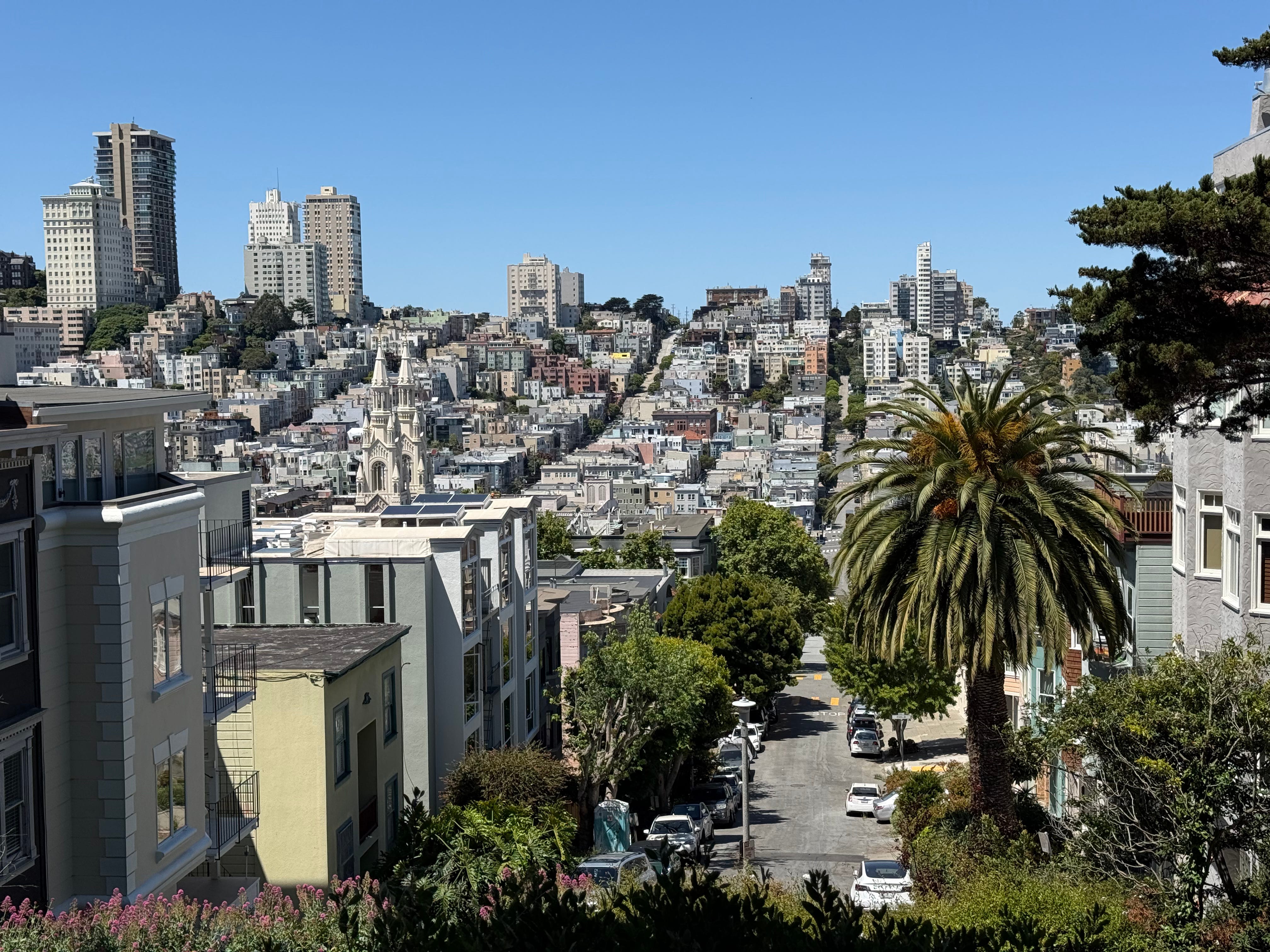
Telegraph Hill, leading up to Coit Tower, is a short but very SF climb. It used to be the site of a semaphore system that signaled incoming ships during the Gold Rush, and now it ends in a 212-foot tower with wide views over the city and bay.

The Classic Stops (skip unless you’re nearby)
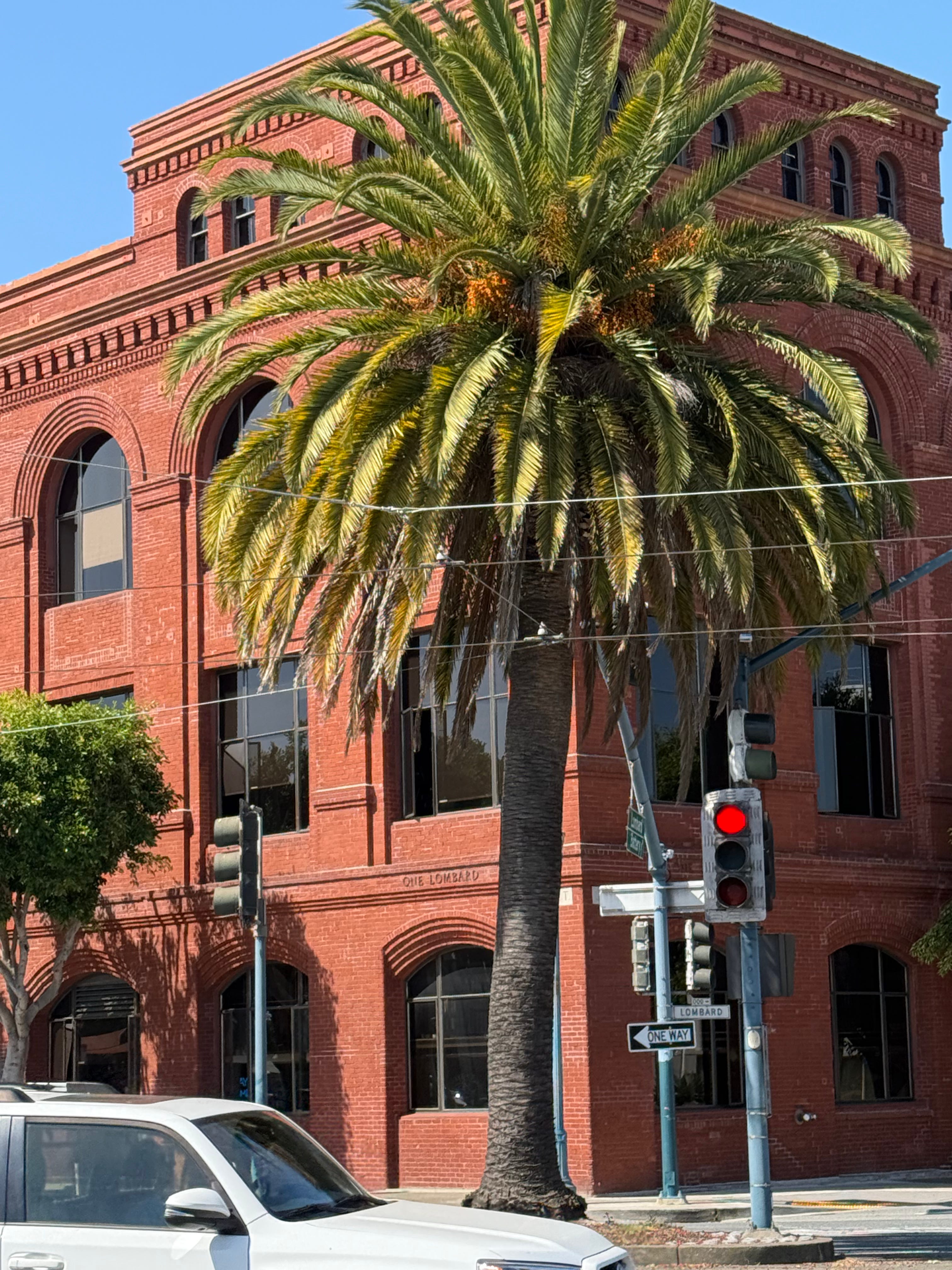
Lombard Street — the famous switchback block. More spectacle than substance, but still worth seeing once.
The Painted Ladies — the famous Victorian row houses at Alamo Square (the colours are actually much more muted than expected).
Pier 39 — tourist-heavy. Sea lions are the only real reason to go.

Day Trips From SF
Definitely rent a car and drive. The city driving is weirdly calm with wide enough roads, respectful drivers, and this strange feeling that everything is half-automated anyway.
Wine Country Detour
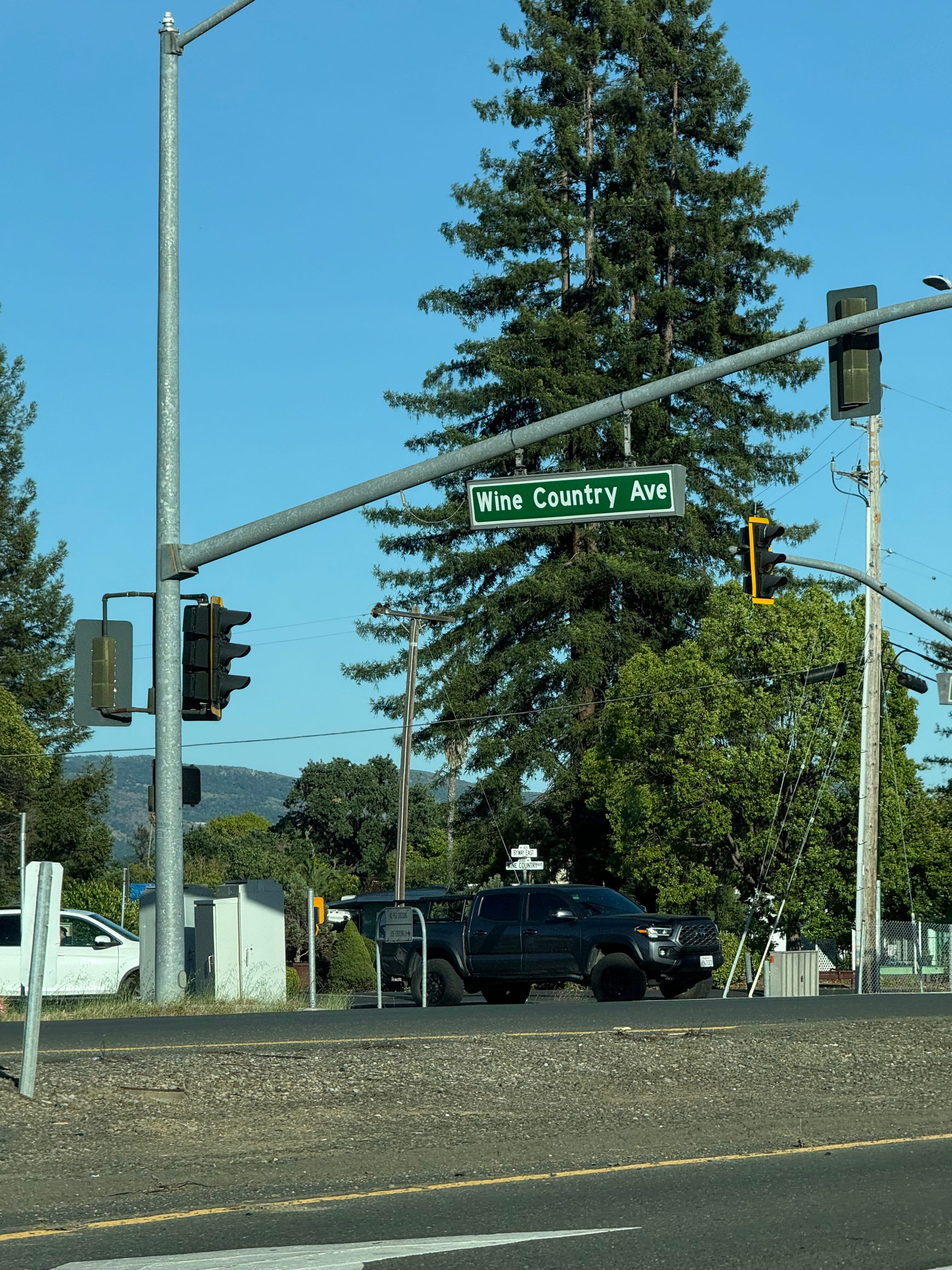
If you love good wine, Napa Valley is the classic escape: polished, expensive, and very relaxed in a way that makes you suddenly aware of how loud the city actually is.
In Yountville, Stewart Cellars is a solid stop if you want something more relaxed. *Btw walking around this town felt slightly surreal; the streets were so empty that I started wondering whether anyone actually lived there or if I’d somehow wandered onto a very well-maintained movie set.
Quintessa winery is beautiful but firmly in the “this is not casual” price range. Artesa Winery sits somewhere in between; still very good wines, and an easier entry point into the whole experience.
I’m mentioning these because they’re the ones I tried, not because they’re the only ones worth visiting. Napa has more wineries than you could realistically fit into a few trips.

Sausalito (Postcard Version of SF)
Just across the Golden Gate Bridge, Sausalito feels like a softer, Mediterranean version of the Bay. Walk the Bridgeway Promenade for clear views of San Francisco, Alcatraz, and the bridge itself.
For lunch, Scoma’s Sausalito is a good option to combine seafood with a sea-front view. Sit outside on the pier if you can, and order the oyster chowder served in a bread bowl.

Angel Island (History in Layers)
Angel Island is often called the “Ellis Island of the West,” but the experience here was far harsher for many Asian immigrants. The poetry carved into the detention barracks is incredibly moving.



Muir Woods (Scale Shift)
Muir Woods National Monument is one of the easiest ways to feel small again. Old-growth redwoods, dense quiet, and a sense of time that doesn’t really match the city anymore.

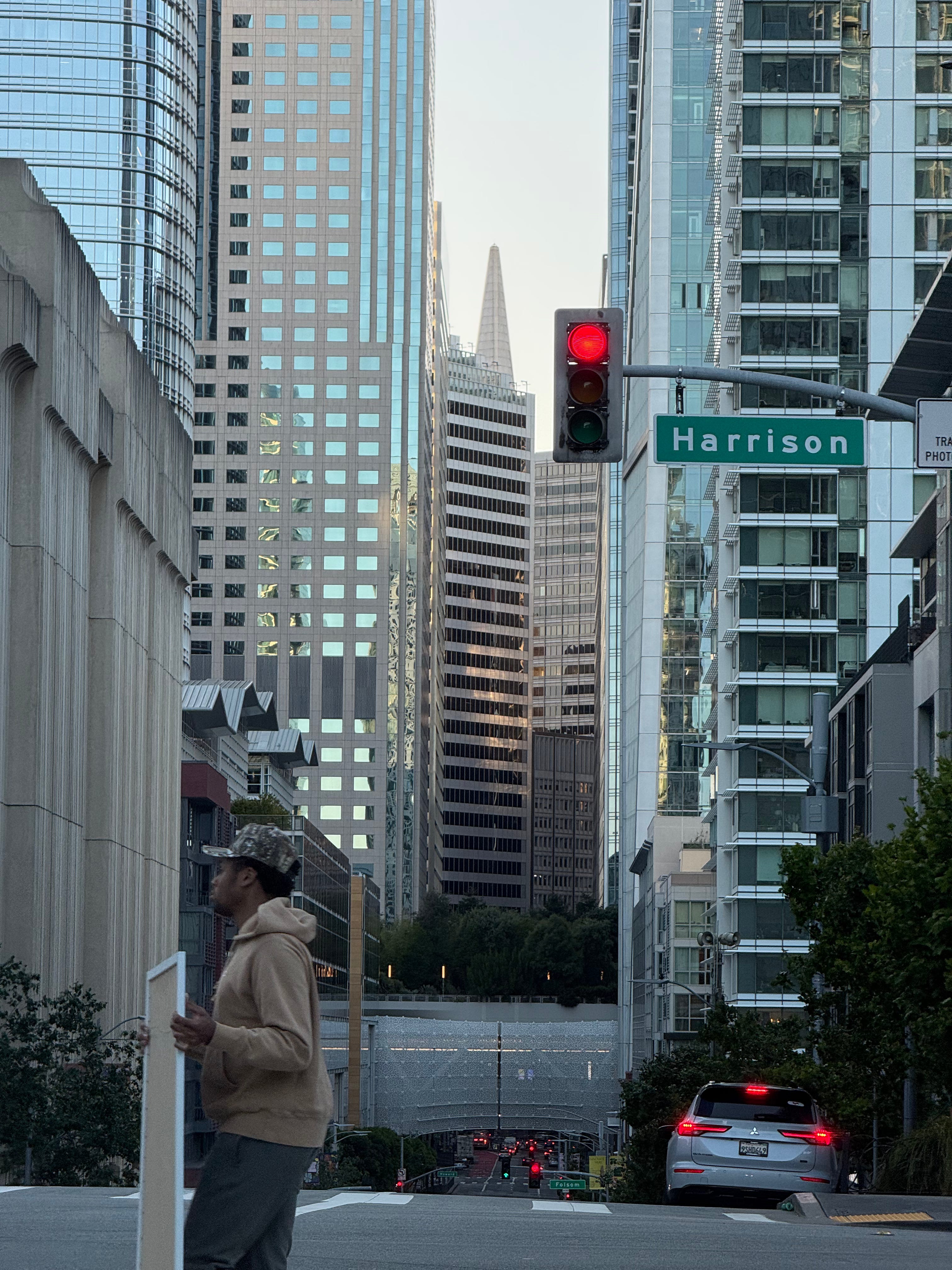
All in all, San Francisco is a city of sharp contradictions. Unfortunately, there are downtown areas like the Tenderloin where those contradictions cease to be an abstraction and become impossible to ignore. Homelessness, addiction, and open drug use exist alongside shelters and outreach programs stretched beyond their capacity. Not because these conditions are new, but because they are the predictable outcome of a social order that treats housing, healthcare, and human need as commodities rather than rights. The consequences spill into neighbouring districts like Union Square, where narratives of economic recovery collide with the realities they are meant to conceal. Housing is valued less as shelter than as a vehicle for accumulation, and the city is organized accordingly. State institutions intervene only after crises have fully materialized, managing their effects while leaving their causes untouched. When those institutions do appear, they do so primarily through policing—the coercive arm of the state—whose violence deepens the very harms it claims to address. What appears at street level is not a failure of the system but one of its logical outcomes.
That’s it for now.
NYC next (soon).
xx
Alexandra